



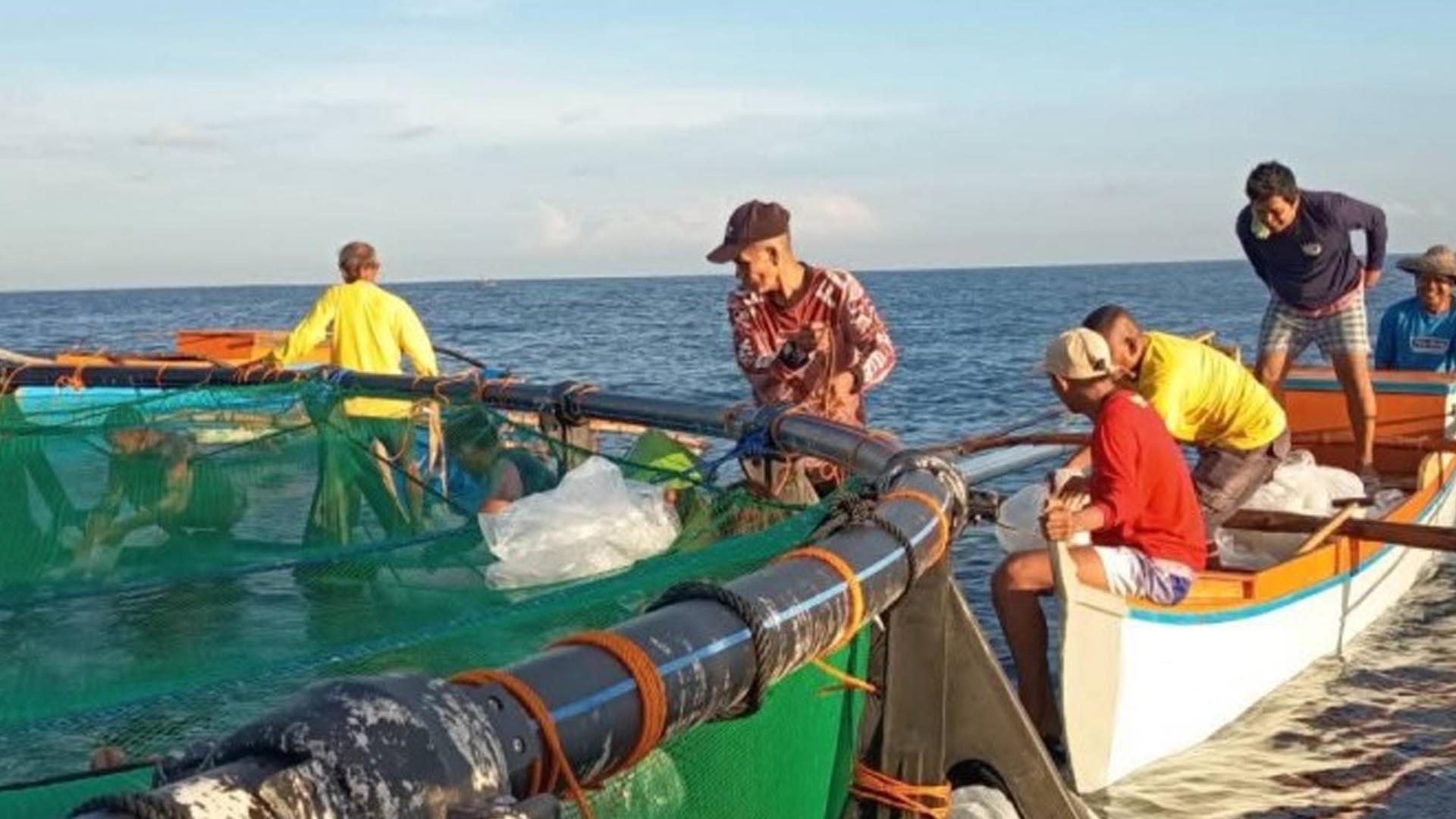







Domestic growth is expected to get a lift from the implementation of the World Trade Organization’s (WTO) Agreement on Fisheries Subsidies, which prevents subsidies that result in overfishing and overexploitation, and ensures environmental protection.
The agreement, aimed to protect marine resources, took effect on Sept. 15, 2025.
It has a Fisheries Funding Mechanism that provides technical assistance and capacity building for developing and least developed countries, and has received from among WTO member-countries around USD18 million worth of pledges for the WTO Fish Fund.
Rizal Commercial Banking Corporation (RCBC) chief economist Michael Ricafort told the Philippine News Agency Wednesday that the agreement “would prevent harmful subsidies by more affluent countries that are used for overfishing and overexploitation of marine resources that adversely affect countries that do not have subsidies for such and also adversely affecting/reducing the catch/output of smaller fisherfolk.”
He said the measure is expected to “lead to greater environmental protection and promote more sustainable fishing practices that allow repopulation and sufficient fisheries supply over the long-term.”
“As a result, this would support greater fisheries production/output of the country than otherwise that, in turn, adds to the country’s GDP (gross domestic product)/economic growth,” he said, without giving any figure.
Ricafort said the agreement “would also prevent undue advantage by wealthier countries that provide more subsidies to fisheries to the detriment of countries that do not have much financial resources.”
With a level playing field, he said, smaller fisherfolk will be protected against reduced catch and incomes.
On Tuesday, the Department of Trade and Industry-Bureau of International Trade Relations, in a Facebook post, said the department “welcomed the entry into force of the WTO Agreement of Fisheries Subsidies.”
Citing the WTO, DTI said “governments provide an estimated USD22 billion annually in harmful subsidies that drive overcapacity and threaten the sustainability of marine resources.”
“For the Philippines, a country where fisheries are central to livelihood and food security, the entry into force of the Agreement strengthens global efforts to protect marine resources and promote fair competition for small-scale and artisanal fishers,” it said.
“It also underscores the country’s strong commitment to promoting ocean sustainability and ensuring that fisheries subsidies support long-term economic growth and environmental resilience.” (PNA)


