



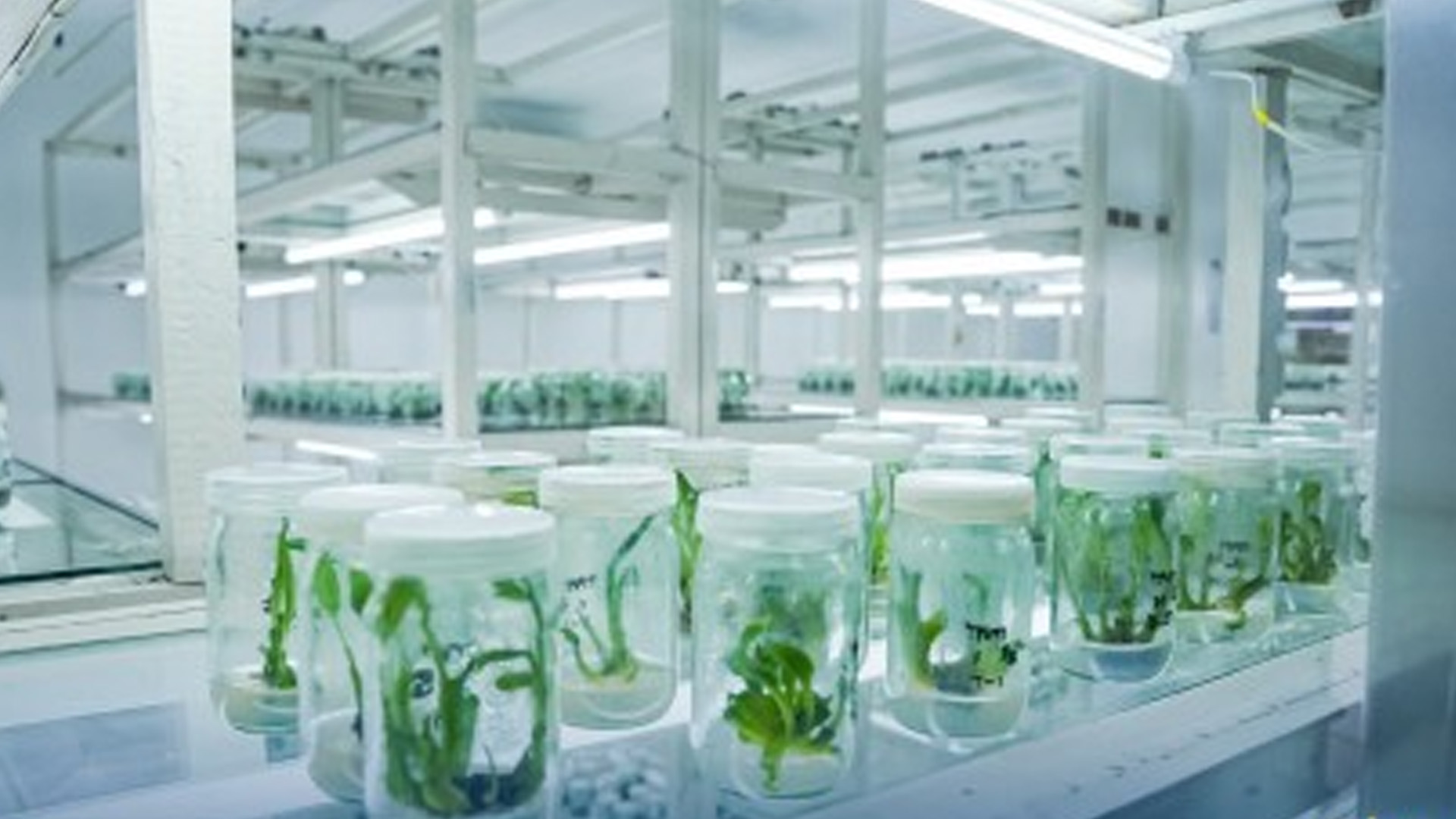







The Department of Science and Technology (DOST) has extended a PHP1 million grant for the establishment of a tissue culture laboratory at the Southern Leyte State University (SLSU) campus in Hinunangan town.
The turnover of funding support on Nov. 18 to SLSU Hinunangan Campus director Dr. Wade Lim marks the start of a new chapter in agricultural innovation for the province, said DOST Southern Leyte provincial director Ramil Uy in an interview on Thursday.
He said the funding will support the project titled “STI (science, technology, and innovations) Solutions for High Economic Value Agricultural Commodities in Southern Leyte,” to boost the economic value of local agricultural products through science and technology.
The target is to make the laboratory operational by February next year.
“For the next three years, the tissue culture laboratory will focus on the production of abaca planting materials. Next focus are bananas, bamboos, and ornamental plants,” Uy said.
The laboratory will generate identical mature offspring of one plant with desirable traits.
It can also produce multiple plants even without seeds or pollinators to produce seeds, or those with seeds or stems with low chances of growing.
“Included in the expected output of the laboratory is the validation of protocol for innovation or improvements,” Uy added.
He said the project has the potential to improve the livelihoods of local farmers and stimulate economic growth in the province by providing disease-free planting materials. (PNA)


