










Popular Korean foods such as kimchi and ramyeon have made their way into restaurants worldwide and are favored by many for their enjoyable taste. However, some of the best Korean flavors are yet to be discovered as they can only be tried in certain cities and regions inside the country.
With Korea’s rich culture, its cuisine differs within each province, represented by special delicacies. These unique dishes tell the story of the regions’ people and traditions, promoting their authenticity.
Here are some regional specialty dishes that you should try when you go to Korea:
Jeju-do’s Heuk-Dwaeji (Black Pork)

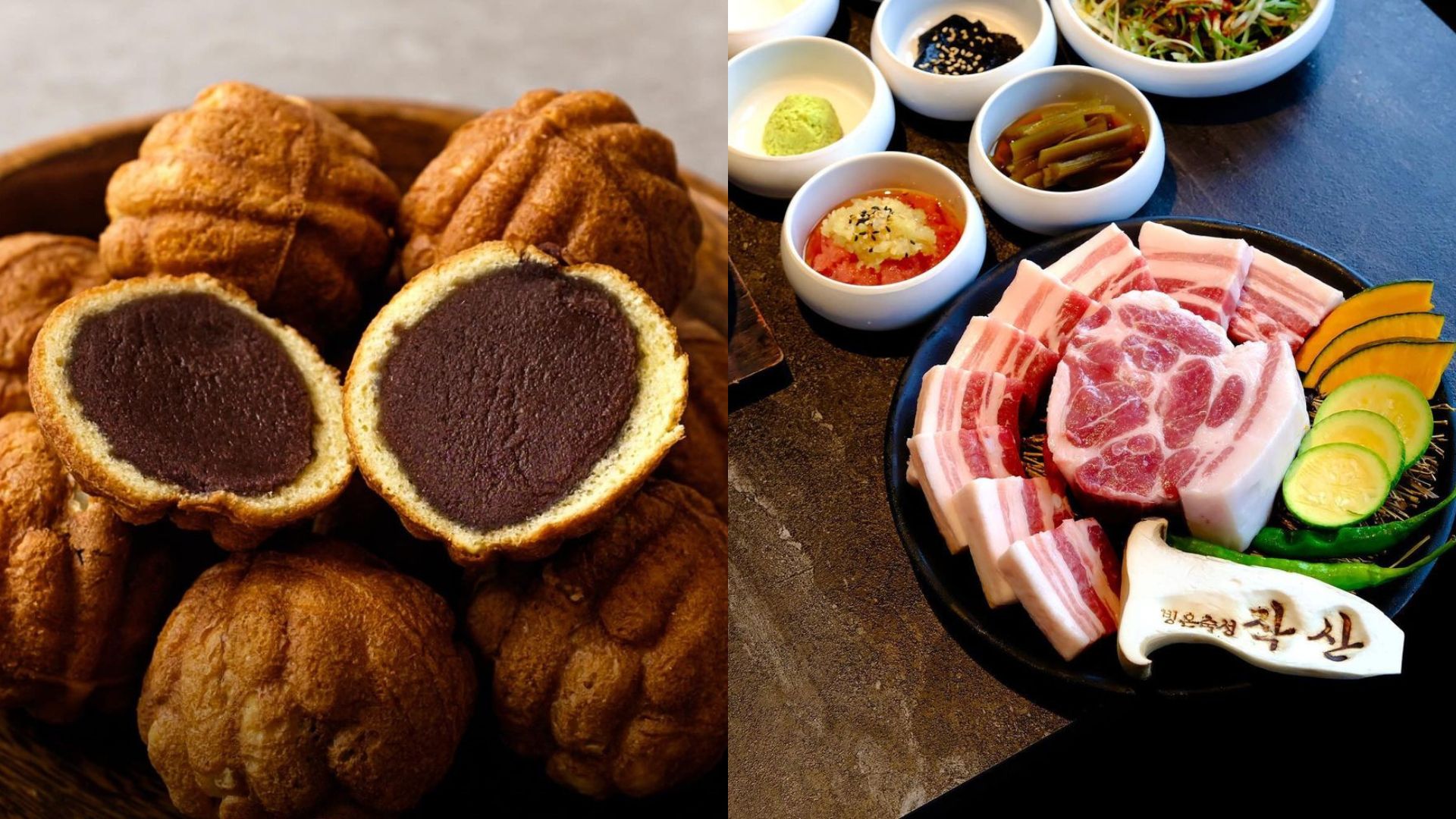
Korea’s iconic beach island, Jeju, is known for raising a special species of pig—the black pig—which is said to produce meat with a distinct flavor and more tender texture than other barbecues. While the pork itself isn’t black, the pig’s skin is.
Though it’s a bit more costly than other pork, this premium delicacy is a must-try if you go to Jeju. Traditionally grilled over burning hay for a smoky flavor, black pork has an exceptional taste and juiciness. It is typically eaten with a salty anchovy sauce.
Seoul’s Seolleongtang (Ox Bone Soup)
A popular dish from Seoul, Seolleongtang is a tasty broth soup made of ox bone and brisket. Characterized by its signature white, milky appearance, the broth is simmered for a long period to achieve this. Ideal for cold days or anytime you crave a comforting meal, Seolleongtang is a nourishing soup known for its deep, hearty flavor and velvety texture.
This soup is a beloved dish in Korean cuisine for its soothing warmth and simple yet profound taste. Dating back to the Joseon Dynasty, this dish was often eaten after ritual ceremonies to wish for a good harvest.
Pocheon’s Makgeolli (Rice Wine)

Notable for its clean, mineral-rich water, Pocheon has been nationally recognized for makgeolli, or rice wine. Sansawon, a traditional Korean liquor gallery, can be found in Pocheon, making the region’s makgeolli even more special. With low alcohol content, this beverage has a slightly sweet flavor and smooth texture. It is often drunk in a communal setting, paired with Korean dishes like jeon, the Korean traditional pancake.
Chuncheon’s Dakgalbi (Stir-fried Chicken)
One of Korea’s most beloved spicy dishes, Dakgalbi is stir-fried chicken marinated in a spicy gochujang-based sauce. It also comes with an assortment of vegetables like sweet potatoes, cabbage, scallions, and even tteok, or rice cake. A flavorful dish known for its rich, savory taste, Dakgalbi is a staple in Korean cuisine. From being a representative of Chuncheon, this dish has grown to be a go-to food during winter and an affordable choice for sharing with friends or family.
Cheonan’s Hodu-Gwaja (Walnut Cookie)

One of Korea’s beloved desserts, Hodu-gwaja is a walnut cookie that originated from Cheonan. The crispiness of the outer shell and the softness of the filling are well-balanced, creating a delightful treat with flavors of red bean paste and finely chopped walnuts. Typically enjoyed with tea or coffee, it’s a favorite treat in street markets and festivals. Because of its taste, Hodu-gwaja has become widely popularized and can now be found in almost every subway station!
By trying out these dishes, you’ll gain the best experience of Korean cuisine. The authentic flavors that these provinces offer come with their rich history and culture. So when you get the chance to visit Korea, make sure to explore the local specialties!


