



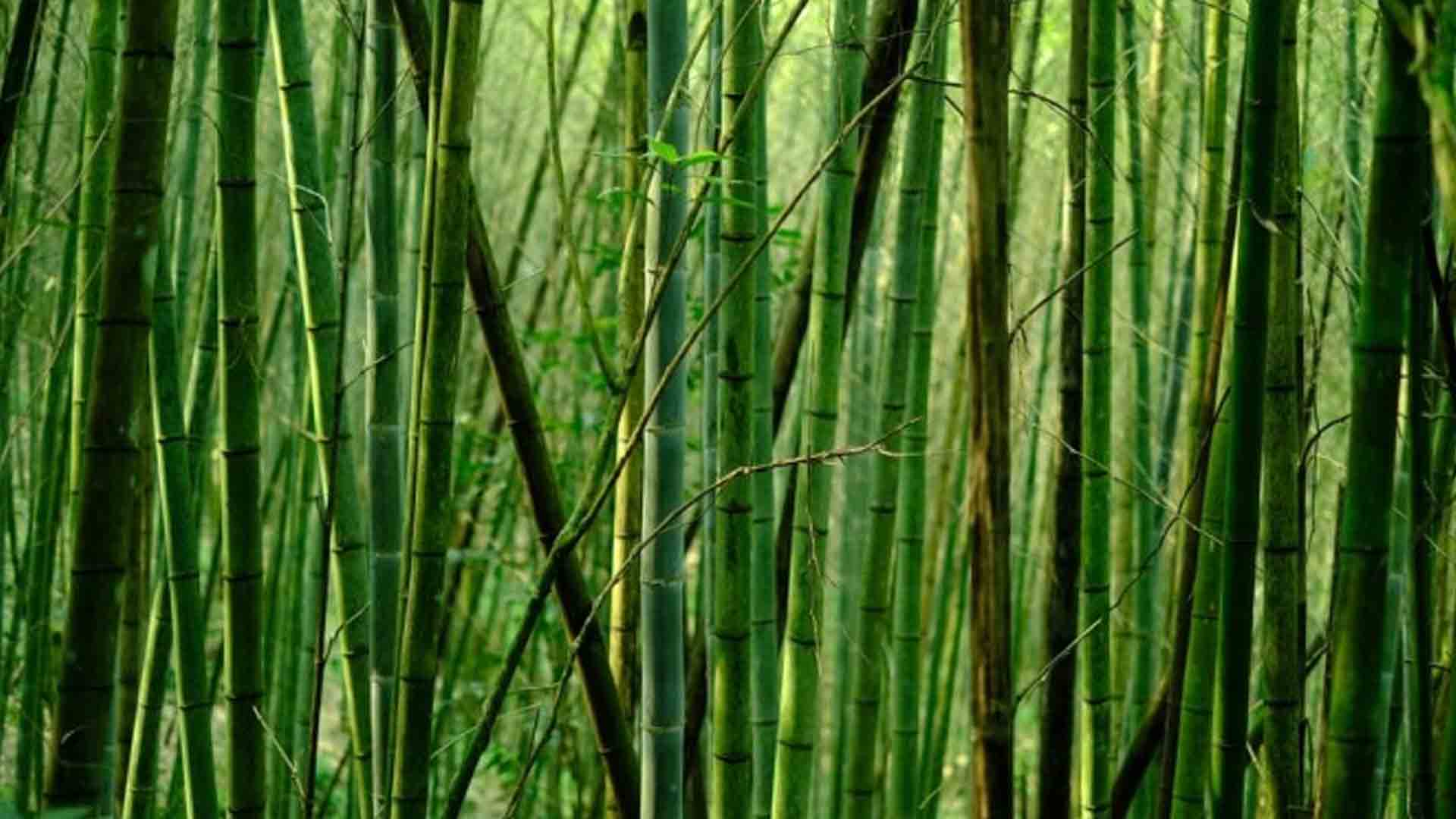







The Philippines has set its sights on capturing a small piece of the world’s billion-dollar bamboo market while simultaneously harnessing its bamboo resources to mitigate climate change.
In an interview Monday, newly appointed Department of Agriculture Undersecretary Deogracias Victor Savellano said the incumbent administration, through the Department of Agriculture (DA), is establishing a local version of the “Bamboo Villages” business model, which has been proven successful in other Asian countries.
He explained that this model entails the mobilization of land, labor and capital in rural towns, and then focusing them on the cultivation and subsequent processing of bamboo.
“The President (Marcos) is very excited about this. He can relate to the potential benefits of bamboo, having been a governor (of a province heavily dependent on agriculture) himself,” the DA official said.
Savellano noted that by 2030, annual revenues from processed bamboo are estimated to reach USD90 billion.
The “Bamboo Villages” program can help generate additional livelihood for poor farmers and Indigenous Peoples in ancestral lands while generating foreign exchange for the country, he added.
In a recent report by the Philippine Bamboo Industry Development Council (PBIDC), it was revealed that Indonesia currently has about 1,000 bamboo villages while Vietnam has about 100.
The PBIDC, an attached agency to the Department of Trade and Industry (DTI), also noted that Thailand is investing some USD10 billion to cultivate its domestic bamboo industry, so it too can compete for a share in the global bamboo market.
Currently, China dominates the international market, generating the biggest bamboo revenue at USD35 billion yearly.
“Even if we can just capture the equivalent of 10 percent of China’s revenues, that is still USD3.5 billion annually for the Philippines,” Savellano said.
The DA undersecretary also explained that aside from its untapped economic potentials, the aggressive planting of bamboo can also serve to fast-track the reforestation of denuded lands under the National Greening Program.
As a climate-friendly grass, bamboo absorbs 11 to 15 times the carbon dioxide compared to a hardwood tree, while also controlling soil erosion, he added.
During a Senate hearing on Aug. 9, Savellano asserted that an institutionalized bamboo program will be needed to consolidate different government programs on bamboo that are now scattered across agencies.
“We need to harmonize our programs that are now uncoordinated. We need to obtain the cooperation of each individual and harness all economic resources to attract private sector investment in bamboo,” he said.
Meanwhile, the PBDIC reported that the primary export destinations of Philippines bamboo products include the United States, Japan, United Kingdom, Germany and France.
As of 2022, investments in the local bamboo industry totaled PHP89.2 million and domestic sales were placed at PHP143 million.
The sector generated 10,898 jobs, 5,012 micro, small and medium industries, and 92 community-based enterprises, according to the Council. (PNA)


