



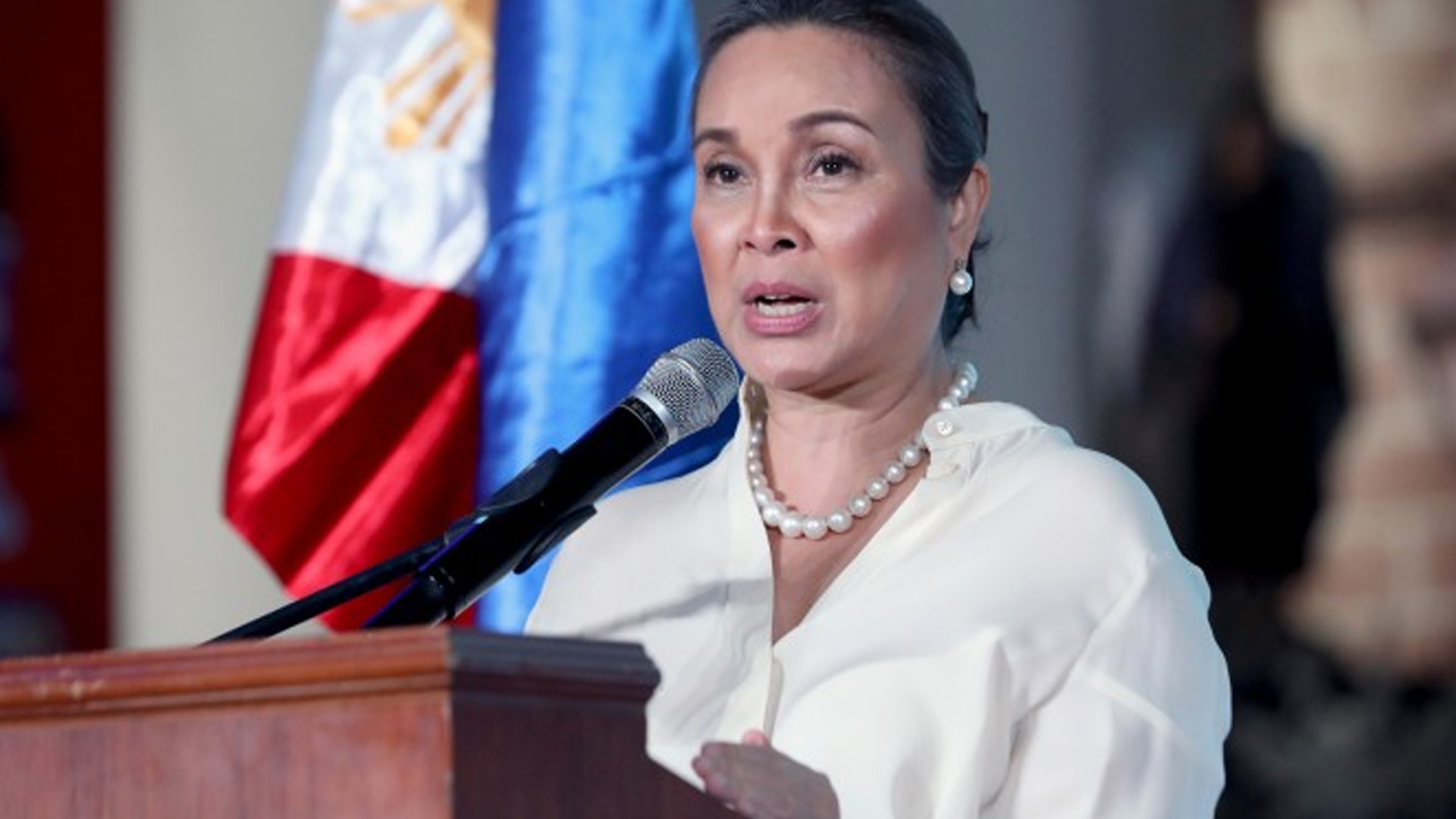






Senator Loren Legarda on Tuesday underscored the importance of strengthening learning from Kindergarten to Grade 3, saying early intervention is key to addressing learning gaps.
She cited findings of the Second Congressional Commission on Education (EDCOM II) showing that nearly half of Filipino learners are unable to read at grade level by the end of Grade 3.
She also pointed to studies by UNICEF (United Nations Children’s Fund) and the World Bank indicating that 91 percent of Filipino children of late primary age cannot read and understand a simple story.
“What begins as a reading problem ultimately becomes a learning crisis. If we fail our children in the early years, we fail them for life. This is a crisis we cannot afford to ignore,” Legarda said in a news release on Tuesday.
Despite the country’s Early Childhood Care and Development (ECCD) framework under Republic Act No. 12199, she said a critical gap remains in the Kindergarten to Grade 3 years.
“Kindergarten to Grade 3 is a critical stage that determines whether a child will stay on track or fall into struggle. Without deliberate investment in these formative years, ECCD gains will be lost, and children will be left unprepared for the demands of higher education,” she added.
Legarda said the proposed reforms adopt a prevention-first approach, focusing on building strong foundations early to reduce the need for remediation in later grades.
The measure integrates language-rich and numeracy-rich instruction with socio-emotional learning and values formation.
“Foundational learning is more than learning how to read and count. It is about nurturing and building the skills, habits, and values that shape a child for life. It is about raising citizens who can think critically, care deeply, and act with integrity and responsibility,” she said.
She also emphasized the broader impact of early-grade reforms on the education system.
“Education is the nation’s most powerful equalizer. If we fix learning in the early grades we ease congestion in later years, resulting in fewer repeaters, fewer dropouts, and better use of every peso dedicated to education. When we give every Filipino child the tools to read, count, and care, we give them the power to dream, to achieve, and to contribute meaningfully to our country’s future,” Legarda said. (PNA)


