



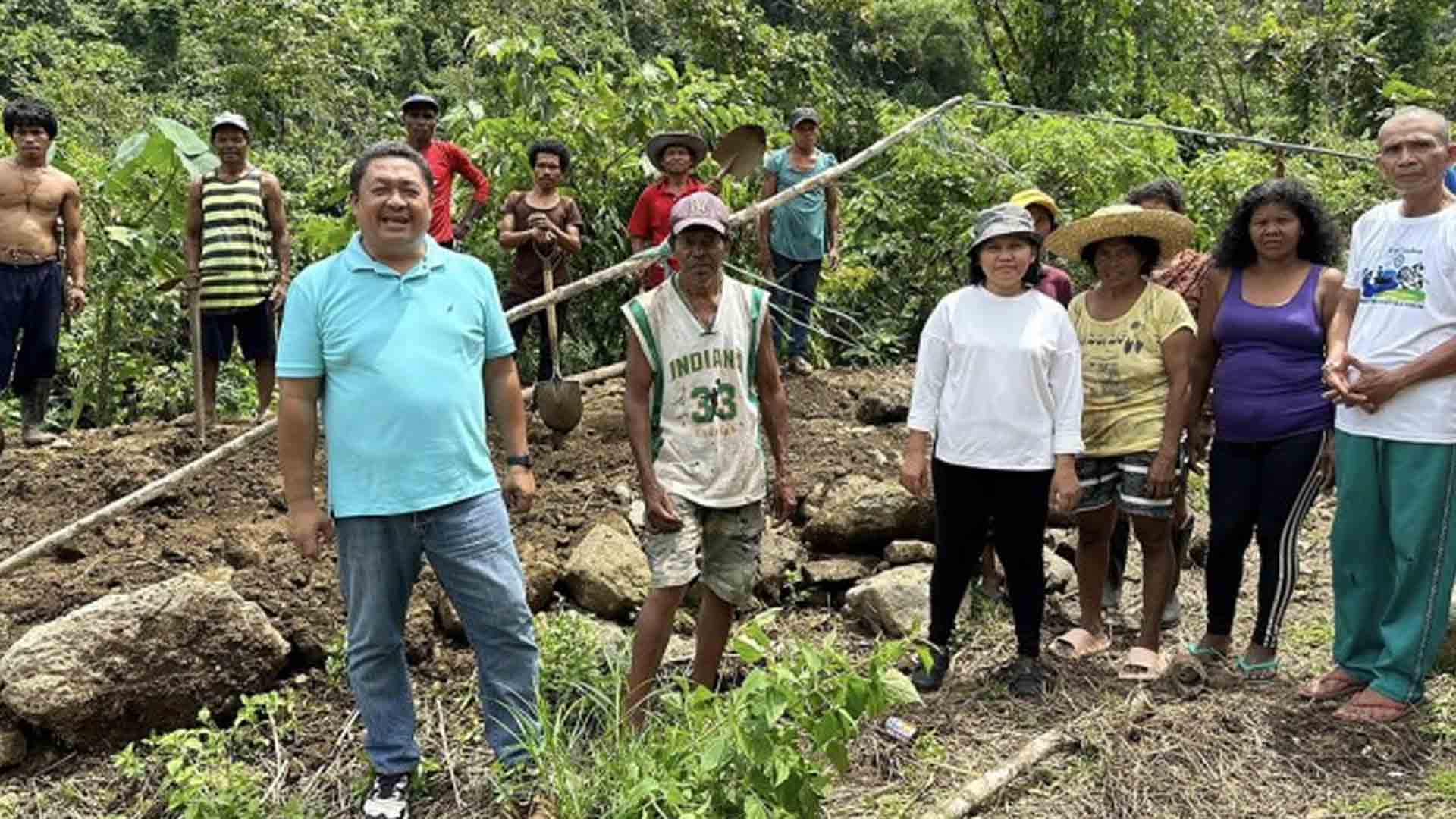






The local government of Cabadbaran City and the Technical Education and Skills Development Authority in Agusan del Norte (TESDA-ADN) have joined hands to work with an Indigenous People (IP) community to develop a highland vegetable farming venture.
Cabadbaran agriculturist Maria Arceli Soria said Thursday the highland vegetable technology demonstration project aims to help the Mamanwa IPs of Sitio Sumohay in Barangay Mahaba develop their ancestral land for vegetable production.
The sitio is among the conflict-affected communities in Cabadbaran City due to communist insurgency.
“An initial 9,000-square meter area has been developed with a separate nursery site which will be devoted for the planting of various highland vegetables, including carrots, cauliflower, broccoli, and cabbage,” Soria said.
She said around 60 families from the IP community will benefit from the vegetable farming program.
The city government, she added, also enrolled the 60 families with the Tulong Panghanapbuhay sa Ating Disadvantaged/Displaced Workers or TUPAD program of the Department of Labor and Employment.
Meanwhile, Soria said that TESDA-ADN is also looking forward to fishpond production in the area to support the food needs of the IP residents.
“TESDA-ADN Director Rey Cueva already made an ocular inspection in Sitio Sumohay on May 30 to assess the possibility of the development of a fishpond project. The agency also wants to train the beneficiaries in land preparation technology,” she said. (PNA)


