



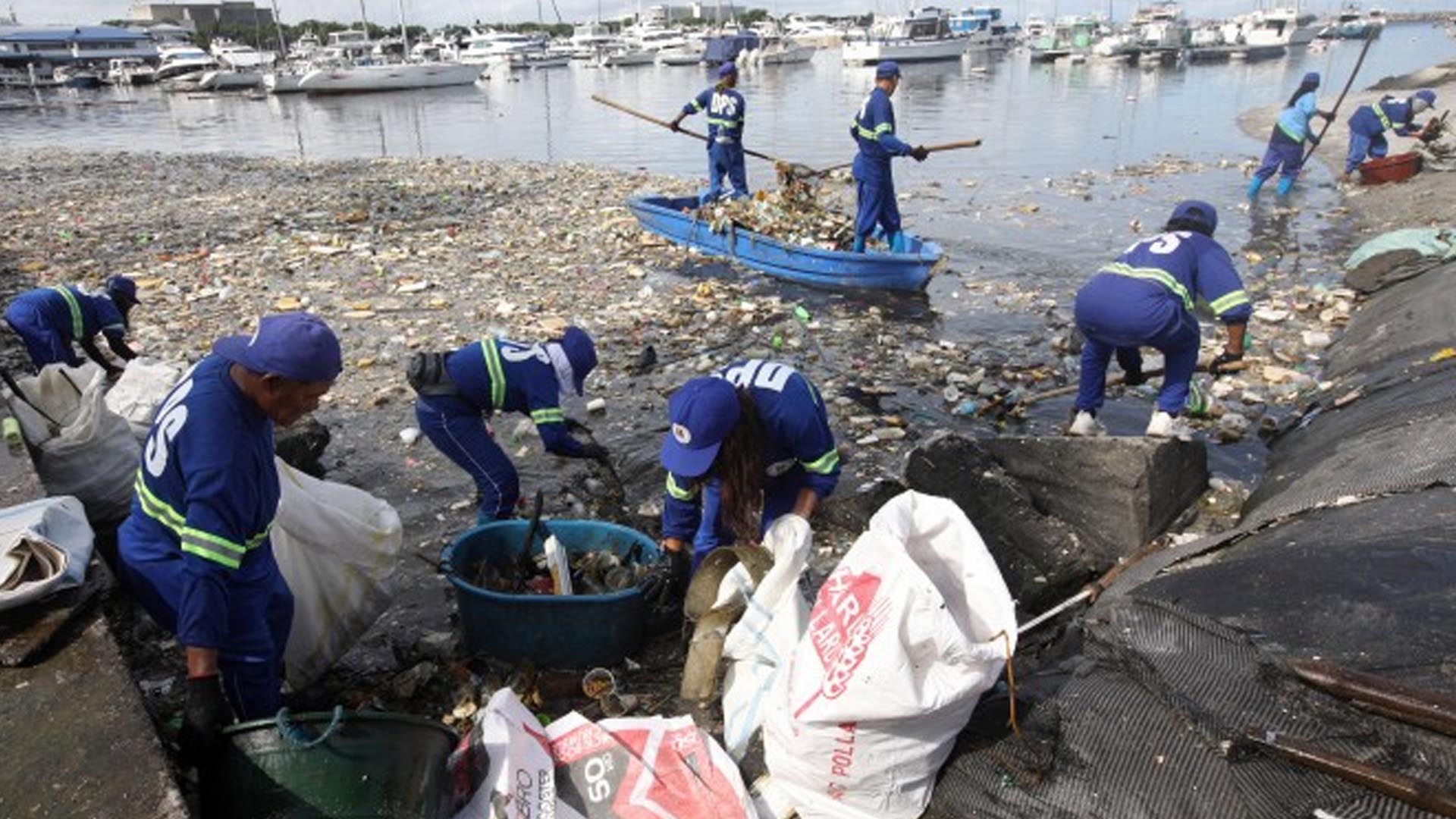







The Department of the Interior and Local Government (DILG) on Friday reaffirmed its commitment to flood risk reduction by resettling more than 57,000 informal settler families (ISF) under the Manila Bay Clean-up, Rehabilitation, and Preservation Program (MBCRPP).
Aligned with President Ferdinand R. Marcos Jr.’s recent directive to intensify efforts in addressing persistent flooding across the country, the DILG emphasized that the MBCRPP is a vital strategy to protect lives, livelihoods, and property, particularly within the Manila Bay Watershed.
These ISFs, previously living along waterways and easement areas vulnerable to typhoons and monsoon rains, were relocated to government-owned housing units to improve their safety and resilience.
Through MBCRPP, the DILG works with other national agencies and local government units (LGUs) to protect lives, livelihoods, and properties in vulnerable areas across the Manila Bay Watershed. Under the program’s LGU Compliance Assessment, the DILG monitors 187 cities and municipalities across regions 3, 4-A, and the National Capital Region for adherence to environmental laws and national policies that support Manila Bay rehabilitation.
Based on latest DILG data, 23.93 percent of the 238,747 identified ISFs have been relocated. NCR leads in relocation success with 36.56 percent of its ISFs resettled, followed by Region 4-A (21.06 percent).
The DILG said 61 LGUs have completed socialized housing projects (SHPs), 52 SHPs are under construction, and 90 are in the proposal stage.
Meanwhile, 182 LGUs have established a Local Housing Board (LHB), 133 have an approved Local Shelter Plan (LSP), and 46 have SHPs backed by a Resettlement and Relocation Action Plan (RRAP)
To sustain progress, a stakeholder orientation was conducted last March, focusing on strategies to safeguard cleared areas, prevent ISF re-occupation, and promote humane, inclusive engagement.
The DILG called on all LGUs within the Manila Bay Watershed to accelerate resettlement programs and ensure the sustainability and people-centered focus of Manila Bay’s rehabilitation, in line with President Marcos’ call for long-term flood solutions. (PNA)


