



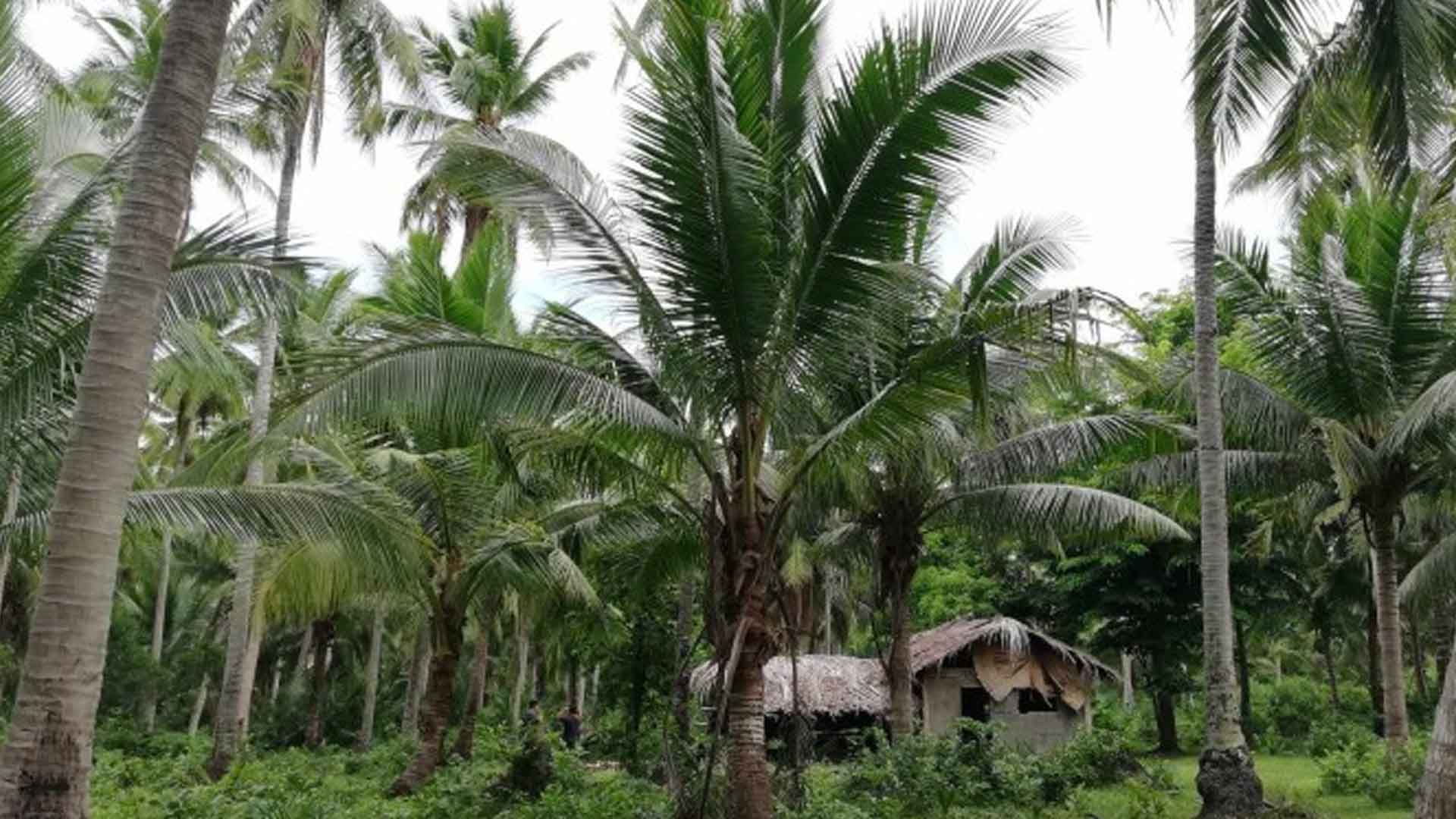







Three learning sites for coconut farming in Central Visayas have been established to teach farmers about innovation and technology that would increase production and trading.
Merrian Soliva, chief of information services of the Agricultural Training Institute in Central Visayas, said they have certified the three LSA or Learning Sites for Agriculture focused on improving the capability of coconut farmers.
He said these LSAs are attached to the Lamac Multi-Purpose Cooperative-Cocohub located in Tuburan, Cebu, the Romero Agricultural Farm in Loay, Bohol, and the Tan-awing Perma Farms in Carmen, Bohol.
Five others seek Coco-LSA accreditation.
Among them is in Zamboanguita, Negros Oriental, three others in Bohol’s Duero, Buenavista, and Dimiao towns, and one in Sibonga, Cebu.
“The ATI is tasked to conduct training and other related activities like information caravan, technology forum, and agri fairs. ATI also certifies farmland to become Learning Sites for Agriculture, as well as providing grants to accredited extension service providers,” Soliva said.
These Coco-LSAs are under the Coconut Farmers and Industry Development Plan (CFIDP) of the Philippine Coconut Authority and partnered with ATI in providing training to farmers in terms of information, education and communications materials.
Accordingly, the Philippines ranked second to Indonesia in 2022 for producing 14.93 metric tons of coconut.
Indonesia, on the other hand, produced 17.19 metric tons. (PNA)


