









Nestlé Philippines has achieved a fresh milestone in tackling plastic waste as it completes its first year of plastic neutrality, the first multinational fast-moving consumer goods company in the country to do so.
Since August 2020, the company has collected, co-processed, and diverted from the environment over 27,000 metric tons of plastic waste, slightly above the volume of used plastic in the packaging that it has put out in the market over the past year.
The milestone comes as Nestlé Philippines marks its 110th year in the country, determined to intensify its initiatives towards a waste-free future, with a commitment to make its packaging, including plastics, 100% recyclable or reusable by 2025. Additionally, it commits to reduce a third of virgin plastic use within the same time frame. More specifically, Nestlé Philippines will reduce its use of virgin plastics by 1,100 metric tons in 2021 and is continuously looking for more sustainable packaging through its research centers globally.
The Philippines is the third largest source of ocean plastic worldwide. Nestlé continues to accelerate its initiatives to address plastic waste holistically in the country across three focus areas: (1) developing the packaging for the future, through packaging and delivery innovation and plastic reduction; (2) helping to shape a waste-free future through increased collection and recycling; and (3) driving new behaviors and understanding through solid waste management education.
“As a food and beverage manufacturer with a major presence in the country, we are called upon to be at the forefront in confronting urgent issues that our planet faces. Our vision, which we are working hard to realize, is that none of our packaging, including plastics, ends up in landfills, in oceans, seas, and rivers. A few years ago, we identified plastic neutrality as a major step forward for us as a company and it is our most important environmental milestone to date. The way has been full of challenges, requiring significant investments and a learning curve as we acquired experience. But we have demonstrated that it can be done, and it is viable. We are grateful to our partners including Republic Cement, CEMEX Holdings Philippines, and Plastic Credit Exchange for enabling us to become plastic neutral,” said Nestlé Philippines Chairman and CEO Kais Marzouki.
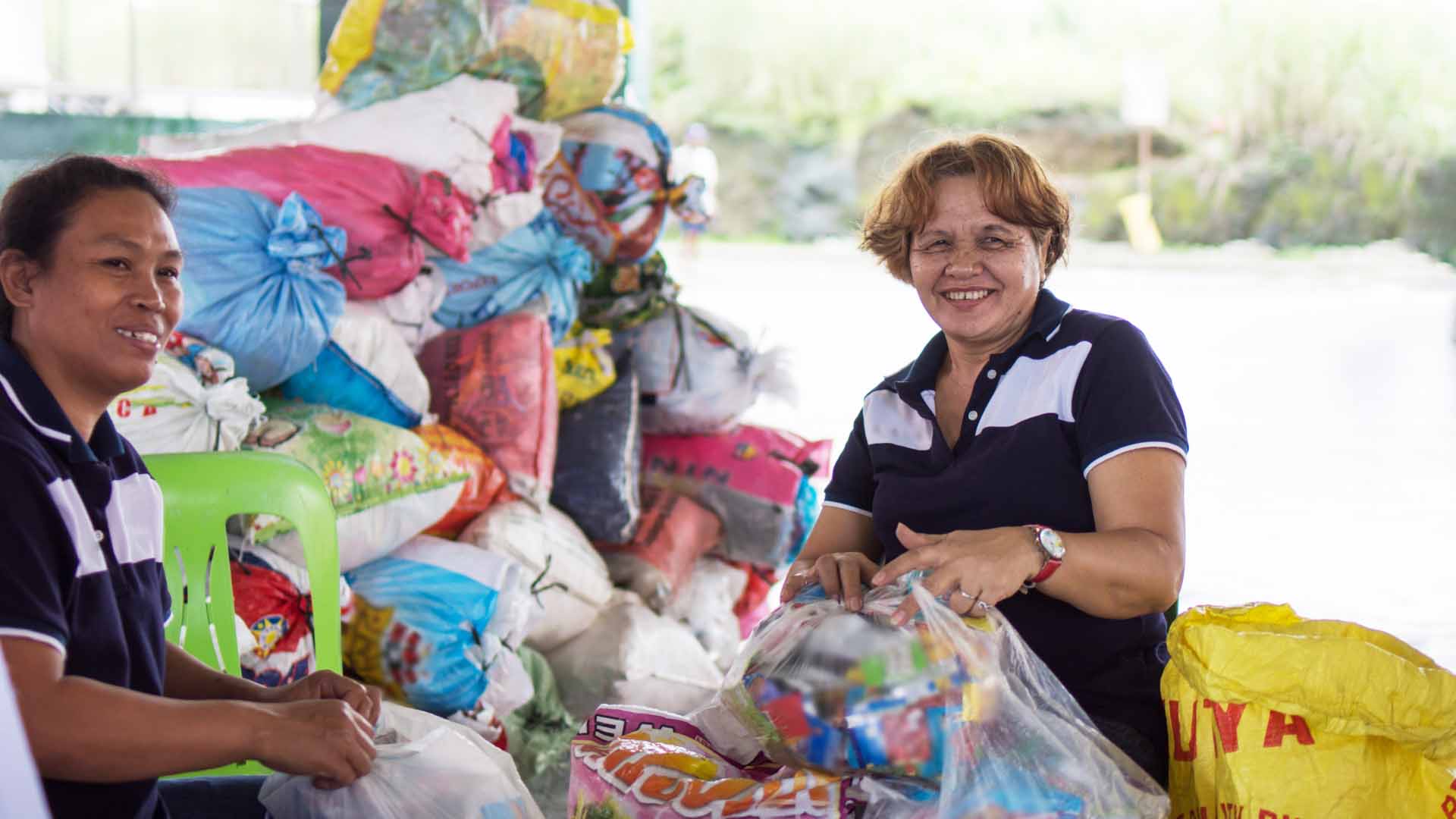
With its partners, Nestlé Philippines is collecting plastic waste from local government units and communities in different parts of the country. The waste is co-processed in cement kilns, a waste management method by which waste materials are processed at a very high temperature. This breaks down complex materials into simpler compounds and the energy or mineral content of wastes are completely recovered and utilized in the process of producing cement. Emissions from the process are filtered and monitored in compliance with standards of the Department of Environment and Natural Resources.
Looking to the future, Mr. Marzouki said the company is advocating the passage of legislation that will put in place an Extended Producer Responsibility (EPR) scheme for plastic waste. EPR is a comprehensive policy approach in which a manufacturer’s or importer’s responsibility for a product is extended to the post-consumption stage of its life cycle.

To do more together, Nestlé Philippines is encouraging consumers to become a Kasambuhay for the Environment. They can start by visiting Nestle/KasambuhayForTheEnvironment where they can access solid waste management modules developed for parents and teens, and learn about the waste cycle, proper segregation, recycling, and more. The website also lists locations where they can drop off their plastic waste for recycling, including Nestlé-sponsored collection points at SM Mall of Asia, SM North Edsa, and SM Fairview, among other sites.

“At Nestlé Philippines, we are deeply committed to attaining our environmental goals, consistent with our vision of a waste-free future. As we have been in the Philippines for 110 years, we want to leave a legacy, anchored on our respect for the future and coming generations, that includes effectively caring for the planet,” Mr. Marzouki said.


