









Across the Philippine archipelago, vibrant Chinese New Year celebrations have ushered in what many hope will be a lucky and prosperous Year of the Horse.
In the days leading up to the festival, Manila’s historic Binondo district, known as the world’s oldest Chinatown, has transformed into a sea of red and gold.
Crimson lanterns trimmed with gold tassels sway above sidewalks crowded with holiday shoppers, while storefronts glow with festive lights and auspicious decorations. Many visitors don traditional Chinese attire, adding to the shared sense of celebration.
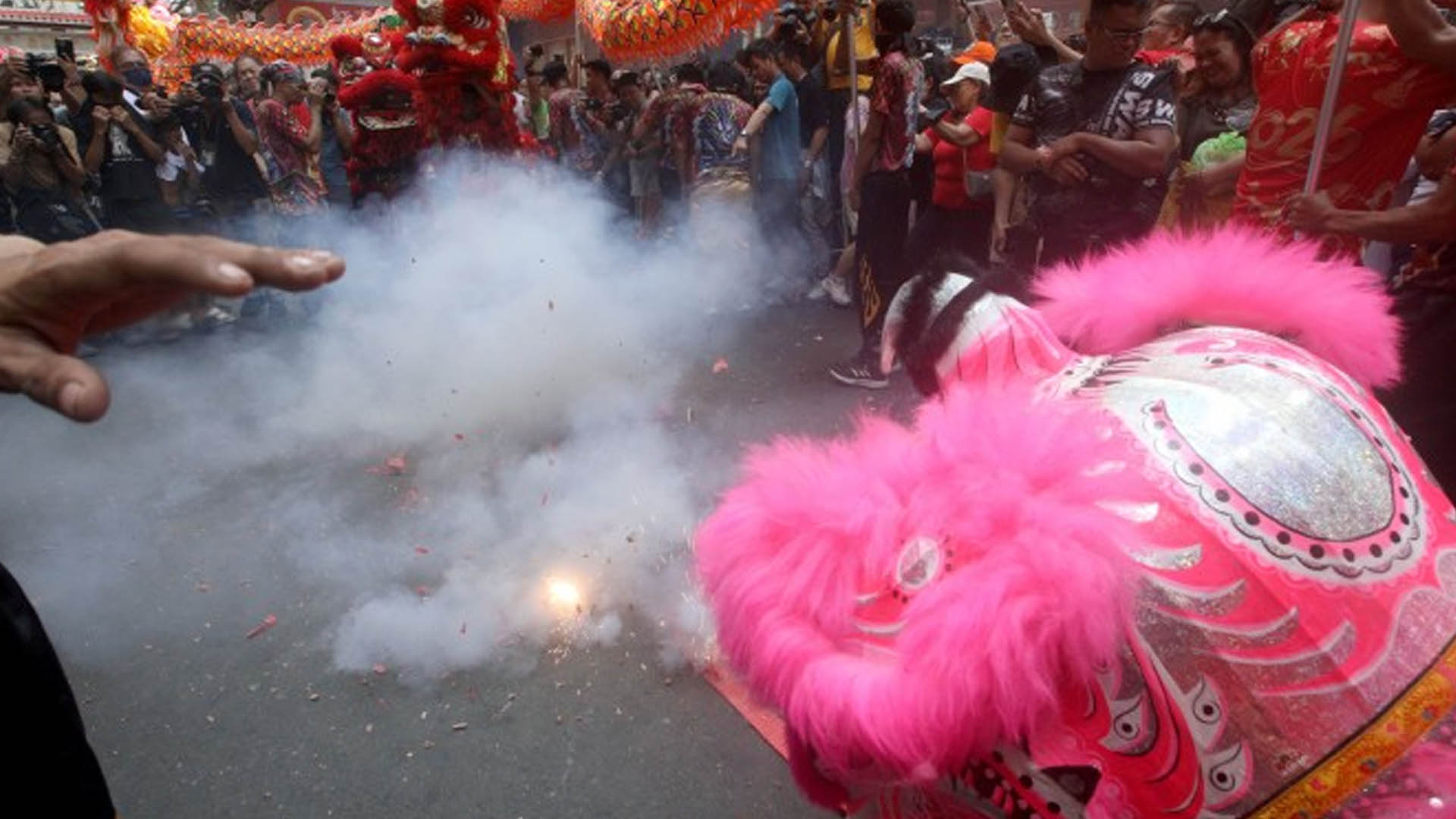
At the heart of Chinatown, lion and dragon dances weave through narrow alleys and busy streets. Performers in brilliant costumes leap and turn to the rhythmic beat of drums and cymbals, as spectators cheer and watch the “lions” bow before local shops, a ritual believed to invite good fortune in the year ahead.
The festivities reflect a cultural fusion shaped by centuries of exchange. The sea has long connected, rather than separated, Chinese and Filipino communities, whose culinary, linguistic and commercial ties have become woven into daily life in the Philippines.
Local officials noted that the celebration is more than a spectacle, describing it as a meaningful expression of solidarity.
During the Chinese New Year kickoff in Binondo, Manila Mayor Francisco Domagoso said the festivities highlight the enduring bond between Filipino and Chinese communities and the important contributions of Filipinos of Chinese descent to the nation’s history, commerce and culture.
While Binondo remains the ceremonial center of the holiday, the festive spirit extends nationwide. From the northern city of Baguio on Luzon Island to the southern city of Davao on Mindanao, local governments and Filipino-Chinese communities have invited residents and tourists alike to join the celebrations, viewing the occasion as both a cultural tribute and a boost to tourism and local business.
Among younger generations, the holiday is also taking on new forms. Outside trendy milk tea shops and toy stores selling popular “blind boxes,” long lines of young people stretch along the sidewalks, blending contemporary lifestyles with long-standing festive traditions.
“It brings everyone together,” one man in his 20s told Xinhua, describing the celebration as a reflection of multicultural unity and shared hopes for the coming year.
Inside homes across the country, the Spring Festival is marked by lively family gatherings. Tables are prepared with symbolic foods: bowls of round fruits representing prosperity, slices of sticky rice cake known as tikoy, and long, uncut noodles signifying health and longevity.
For many Filipinos, the Chinese New Year has become less about ethnicity than about shared hope, a moment to step into a new year together, carrying centuries of connection, enduring traditions and the belief that every new beginning holds fresh promise. (PNA)


