










The Philippines faces an alarming water problem that we should focus on, and it keeps growing towards crisis dimensions as our population increases. Fresh water is essential to life, but it is a limited resource composing only three percent of all the water on the planet. And it is diminishing.
Some 40 to 80 percent of the country’s total water supply could be gone by 2040, the World Resources Institute, a research organization, has reported. That prospect should be cause for serious concern. According to global nonprofit Water.org, 52 percent of Filipinos lack access to a reliable, safely managed source of water, even as 39 percent lack access to safe home sanitation, which is related to water availability.
As a major food and beverage manufacturer, water is one of the most important resources for Nestlé PH. Over the years, the company has driven a range of initiatives to conserve water, minimizing and making the most of its use. Today, it focuses on four key areas: its factories; its entire agricultural supply chain; watersheds; and communities where it is present.
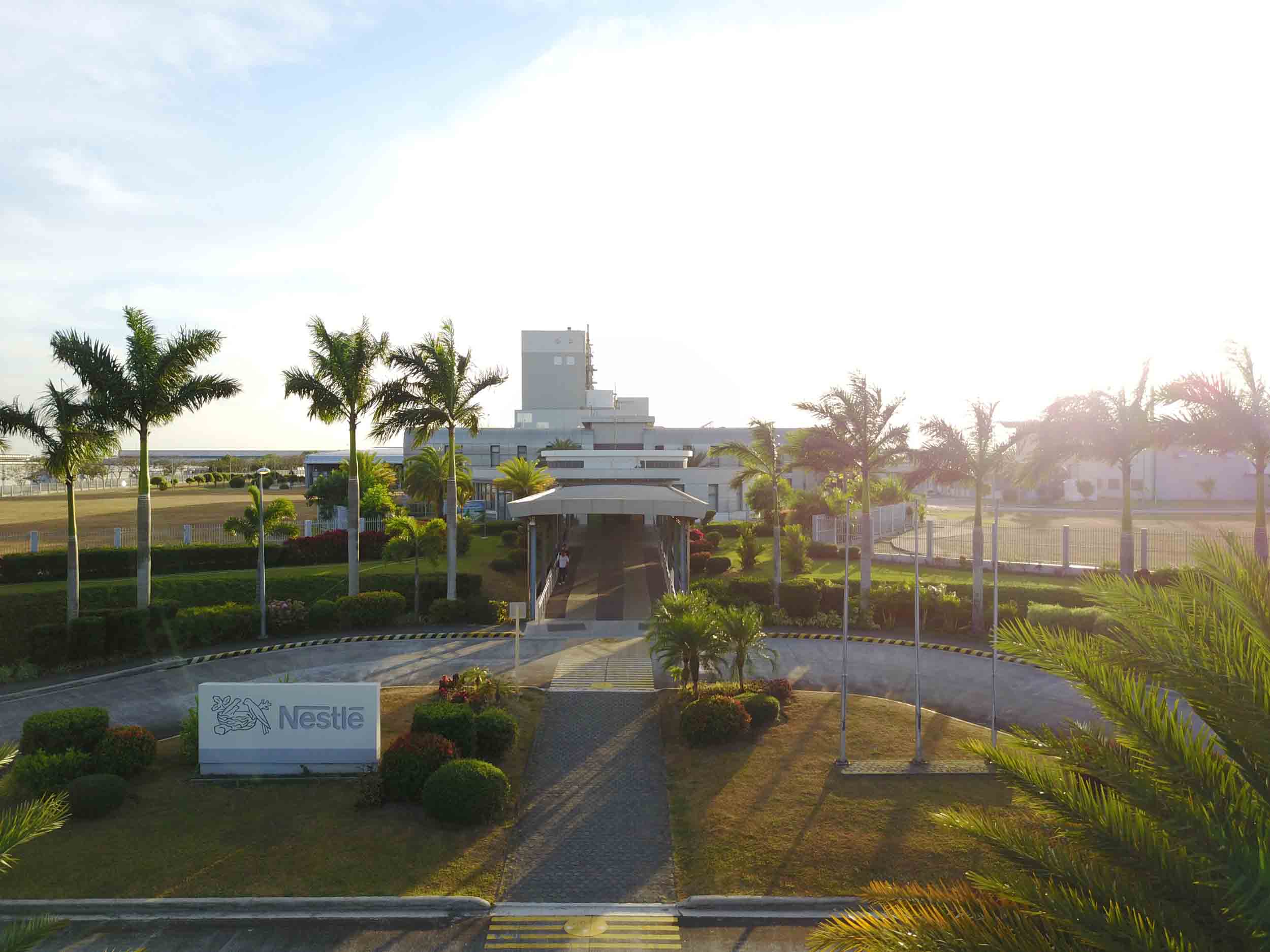
Factories. In 2022, Nestlé PH reduced water usage at its factories by using high-efficiency equipment designs; improving production processes and the condensation recovery rate; and employing effluent recycling and process clean water recovery, and recycling systems. Effluent recycling, in particular, involves treating factory wastewater to make it clean and reusable for other purposes. Process clean water recovery and recycling retrieve clean water from production processes, to be used for secondary applications without needing to go through the water treatment system. Factories also make use of rainwater collection as a source of freshwater to be used for manufacturing processes. As a result of these efforts, Nestlé PH was one of the top three markets contributing to Nestlé’s global water savings last year.
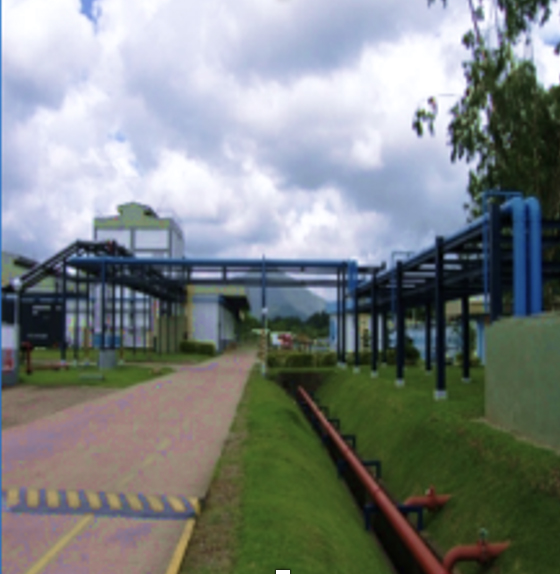
Agricultural supply chain. Beyond its factories, Nestlé Philippines is advocating responsible water use in its agricultural supply chain which includes coffee farmers and their communities. Under the Nescafé Plan it has distributed metal drums and pipes to farmers to create a rainwater catchment system for their coffee farms. They are also taught regenerative agriculture practices such as cover cropping and mulching to conserve soil moisture which is important during the summer season, as well as rainwater harvesting to serve domestic water needs especially in their households.
Watersheds. In watershed rehabilitation, Nestlé PH continues to support the conservation of the Ipo Watershed, a vital link in the Angat-Umiray-Ipo Watershed that supplies 98 percent of Metro Manila’s water. Since the start of the project in 2016, 175 hectares of denuded land have already been reforested, with 64,050 trees grown in the watershed. Recently, Nestlé PH held a tree-growing activity at the La Mesa Watershed and Eco Park with employee volunteers and those from the government and the private sector planting 900 bamboo clumps and 100 Narra seedlings.
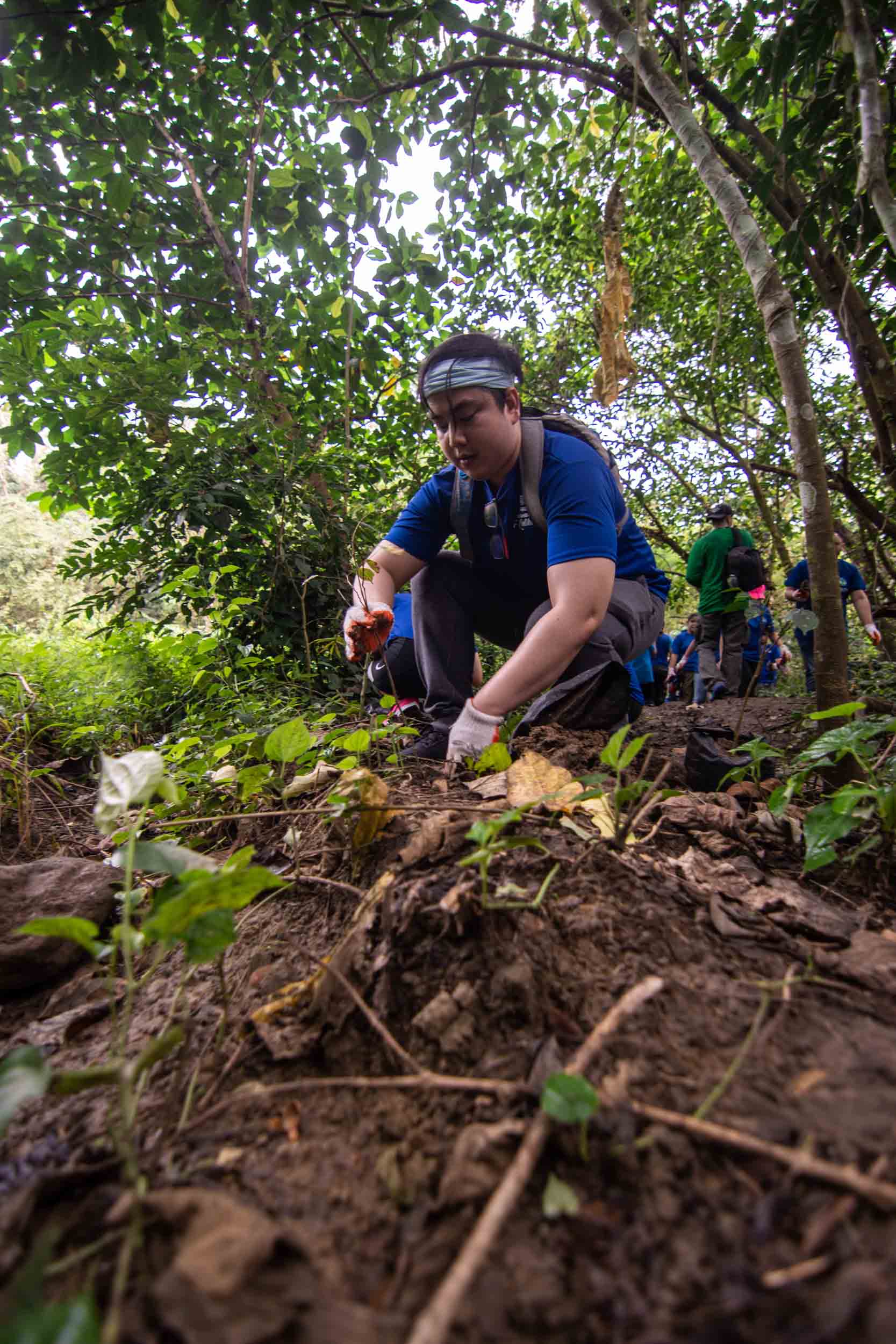
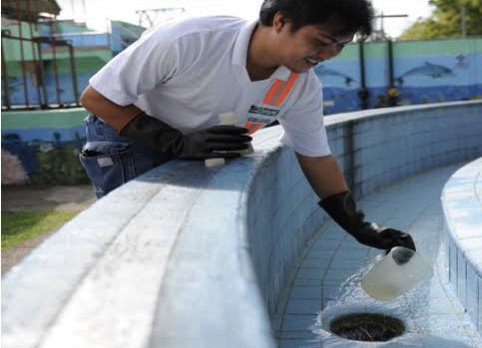
Communities. Nestlé PH factories, as a way of protecting water resources, hold clean-ups of water systems and bodies of water in the communities where they operate. In addition, volunteers from the factories and other units participate in tree-growing at reforestation sites as well as cleaning up bodies of water near their worksites. Reforestation can help improve water quality as trees retain soil and other sediments that can otherwise contaminate water sources such as lakes, rivers, and streams.
“Fresh water and its sustained availability are essential to our business. We are determined to do everything we can within our capabilities, starting with our operations, to help ensure that water continues to be available and accessible now and for future generations in the country, as a basic human right,” said Nestlé PH Chairman and CEO Kais Marzouki.


