



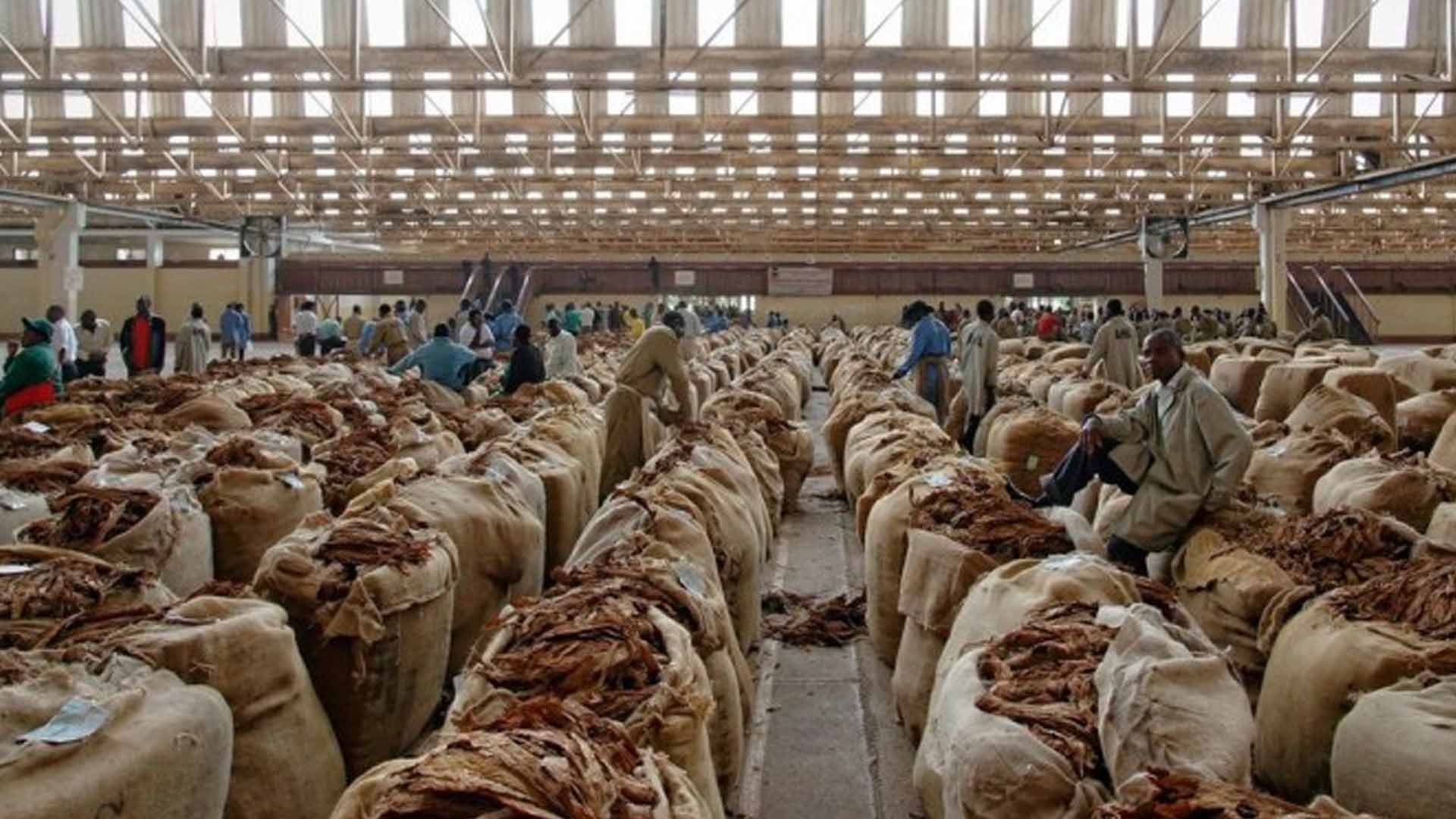






With hunger spreading worldwide and tobacco being responsible for eight million deaths each year, the World Health Organization (WHO) on Saturday urged countries to stop subsidizing tobacco crops and instead help farmers grow food.
Ahead of World No Tobacco Day on Wednesday (May 31, 2023), WHO deplored that 3.2 million hectares of fertile land across 124 countries are being used to grow deadly tobacco – even in places where people are starving.
WHO Director-General Tedros Adhanom Ghebreyesus said that governments across the world “spend millions supporting tobacco farms.”
He urged countries to choose to grow food instead and allow the world to “prioritize health, preserve ecosystems, and strengthen food security for all.”
The agency’s new report “Grow food, not tobacco” said that 349 million people are facing acute food insecurity, many of them in some 30 countries on the African continent, where tobacco cultivation has increased by 15 percent in the last decade.
Nine of the 10 largest tobacco cultivators are from low and middle-income countries.
WHO said tobacco farming in these countries has taken up many parts of their arable land, and the environment and the communities which rely on it also suffer, as the crop’s expansion drives deforestation, contamination of water sources and soil degradation.
The report also exposes the tobacco industry for trapping farmers in a vicious cycle of dependence and exaggerating the economic benefits of tobacco as a cash crop.
WHO, along with the UN’s Food and Agriculture Organization (FAO) and the World Food Programme (WFP) have joined forces around the Tobacco Free Farms initiative, to help thousands of farmers in countries like Kenya and Zambia to grow sustainable food crops instead of tobacco.
The program provides farmers with microcredit lending to pay off their debts with tobacco companies, as well as knowledge and training to grow alternative crops, and a market for their harvest. (PNA)


