



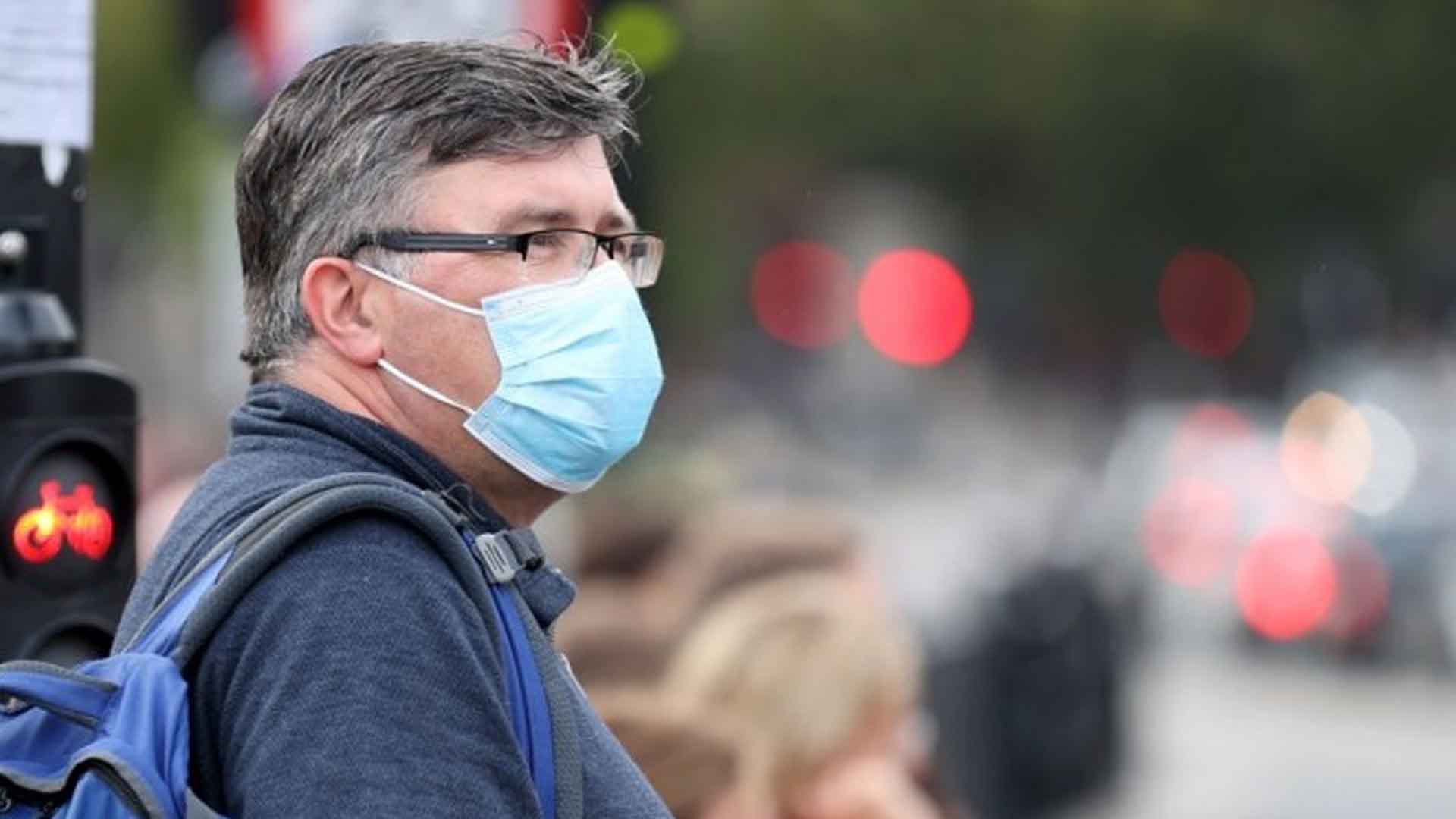







The World Health Organization (WHO) on Wednesday said Covid-19 is still a Public Health Emergency of International Concern (PHEIC), the WHO’s highest alert level.
The announcement came although the number of weekly deaths is almost at its lowest level since the pandemic began.
The WHO’s International Health Regulations Emergency Committee said after its quarterly assessment meeting last week that despite a decline in severe cases of Covid-19, and the falling number of weekly deaths, deaths from Covid-19 nevertheless remain high compared with other respiratory viruses.
It also warned of Covid-19-related complications and post-Covid-19 conditions, with the full impact of these still not completely understood.
The outbreak could also evolve during the upcoming winter season in the Northern Hemisphere, the committee said.
Meanwhile, the current gaps in global surveillance of Covid-19 have hindered early identification and evaluation of the virus’ evolution.
With the virus expected to continue evolving, the committee said the genetic and antigenic characteristics of future variants cannot yet be reliably predicted.
Evolving variants may pose challenges to current vaccines and therapeutics, the committee warned.
“Given the above considerations, the committee concurred that continued coordination of the international response is necessary,” and considered that “the situation remains dynamic and requires frequent reassessments, and that the termination of the PHEIC, when considered feasible, should be implemented as safely as possible.”
The committee recommended that there should be three key priorities in the future: strengthening surveillance and achieving vaccination targets for at risk-groups; continuing to increase access to affordable therapeutics; and strengthening pandemic preparedness planning, while continuing to protect the most at-risk groups. (PNA)


