



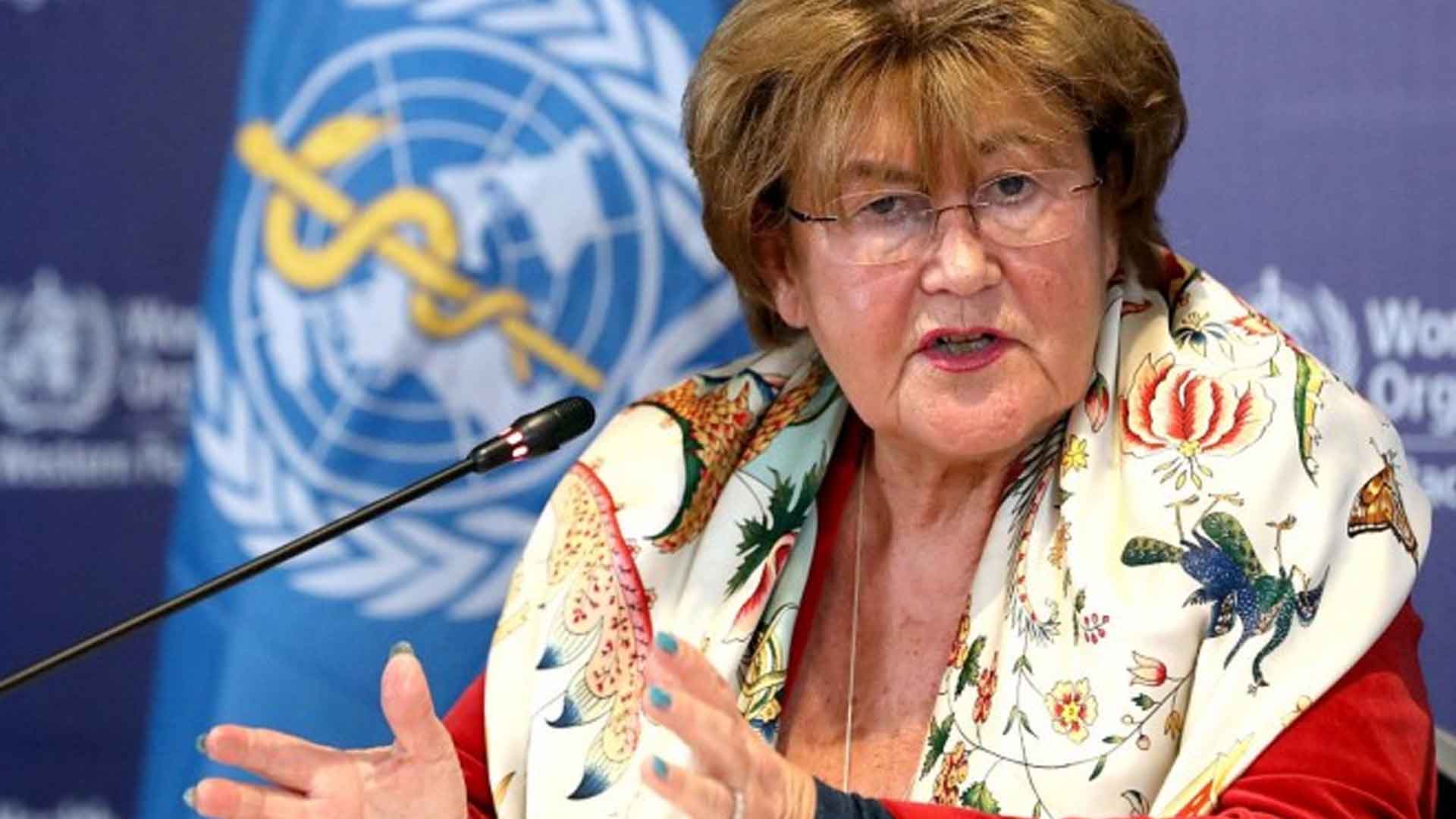






The World Health Organization (WHO) is focusing on building resilient health systems for universal health coverage in the Western Pacific region as it marks its 75th founding anniversary.
In a media forum Friday, WHO Western Pacific Acting Regional Director Dr. Zsuzsanna Jakab said the organization has identified the lessons from the Covid-19 pandemic which will be utilized in the strengthening of health security in the region.
Jakab, who would be leading the regional office for 10 months until a new director is selected, emphasized that she supports the priorities outlined in the “future vision to make the Western Pacific the world’s safest and healthiest region” plan.
“Very specific priorities in this region, five of them have been approved at the last stage in Manila, these include service servicing chronic non communicable diseases (NCDs), as you have seen a major burden for it in this region,” she said.
Latest WHO data show that almost nine out of 10 deaths in the region are due to NCDs such as diabetes, cardiovascular diseases, cancer and chronic respiratory diseases.
Jakab added that the organization aimed to help healthcare systems become more resilient so they can respond effectively to future pandemics, health emergencies and epidemics.
“The next issue is the universal health coverage, the universal health coverage has two aspects one aspect is to give access to everybody, that is equality, and the other aspect is to provide financial protection to the people so that they can access their health systems without the financial burden,” she said.
The WHO would also focus on supporting countries in the region to monitor the health impacts of climate change and the environment.
These include warmer temperatures that increase vector-borne diseases to extreme weather that triggers more waterborne and foodborne diseases.
Moreover, the organization would continue to “reach the unreached – the poor, ethnic minorities, and people living in the remote area”.
Jakab noted that these people still suffer from high rates of infectious diseases such as hepatitis and tuberculosis which can be treated through proper medication.
“[The] WHO is working with member states and partners in the region to find new approaches, build on public health innovations to achieve equitable access to affordable, good-quality services, and deliver on the promise of universal health coverage for everyone, everywhere,” she said.
The WHO was established in 1948 after the Second World War. People living in the Western Pacific region had a life expectancy of between 40 and 50 years.
Children and adults were dying from hunger, vaccine preventable diseases, tropical diseases, nutritional deficiencies, sanitation problems and lack of access to clean and safe drinking water.
To extend healthy life in the region, the WHO started and continues to work hand-in-hand with countries and partners to promote health through investments and innovations.
Consequently, its efforts allowed the people in the region to live 77 years on average. (PNA)


