



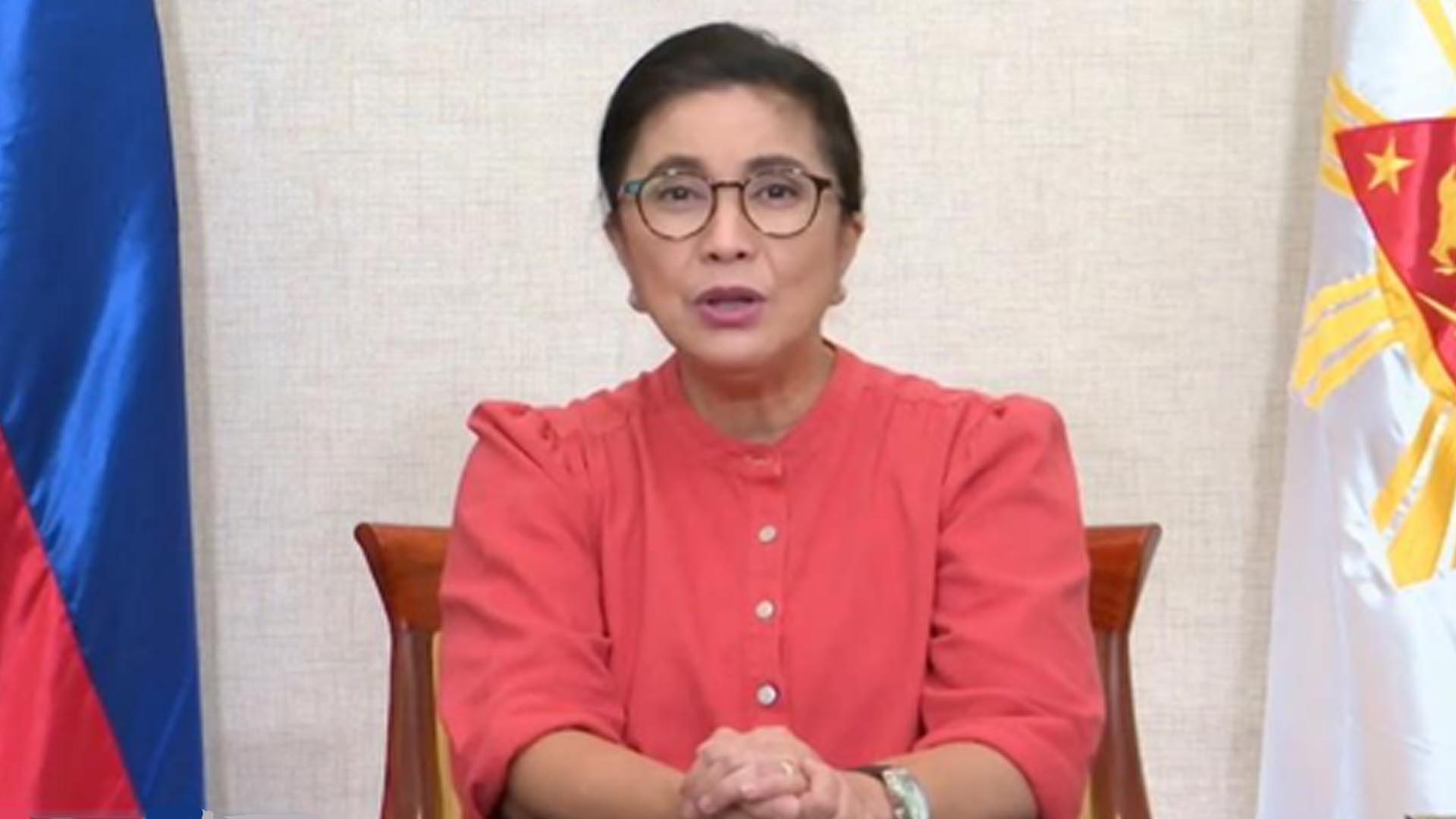






Presidential aspirant Vice President Leni Robredo on Monday, March 7, said that she pictures the Philippines becoming a maritime power, with shipbuilding as a core industry for the country’s economy, accounting for as much as 12% of the Philippines’ Gross Domestic Product (GDP).
Speaking at the Filipino Shipowner’s Association (FSA) Virtual Session with VP Leni Robredo, the presidential candidate outlined her vision for the maritime industry, the current state of the industry, and the challenges the next administration would face in building the industry.
“It has become evident, especially over the past couple of years, the maritime industry is really key to the country’s overall economic resilience. Empowering and strengthening should be a national imperative. I have been very public about my desire to really focus on the maritime industry as the core industry, not just for the maritime sector, pero ‘yung recognition na makakatulong sa ekonomiya ng buong bansa,” said Robredo.
The presidential candidate set the goal of doubling the maritime sector’s size from 6% to 12% of the economy.
“Papaano natin mararating ‘yung goal na ito? We need to modernize and renovate our ports and harbors to make our infrastructure more integrated. This serves a purpose that permeates beyond the maritime sector – a stronger national link through an integrated intermodal national logistics system allows trade to grow at the community level, which feeds into our strategy of looping the grassroots into the economic ecosystem,” said Robredo.
The Vice President also discussed other aspects of her maritime industry plan, such as adding a course on maritime industry to the senior high school curriculum, increasing the ratio of officers to ratings among Filipino seafarers, encouraging ships to register as Philippine-flagged vessels, and making the country a logistics hub.
However, Robredo acknowledged that the inefficiencies in the regulatory framework, particularly on the matter of ship registration, which she seeks to fix through genuine stakeholder engagement, stock taking process, and a proper road map to introduce new policies.
“With such a Philippine-flagged fleet, we can maximize our waters: creating employment, lowering the cost of logistics, bringing goods and services faster and farther into our islands. We will become the maritime power we should be,” said Robredo.


