



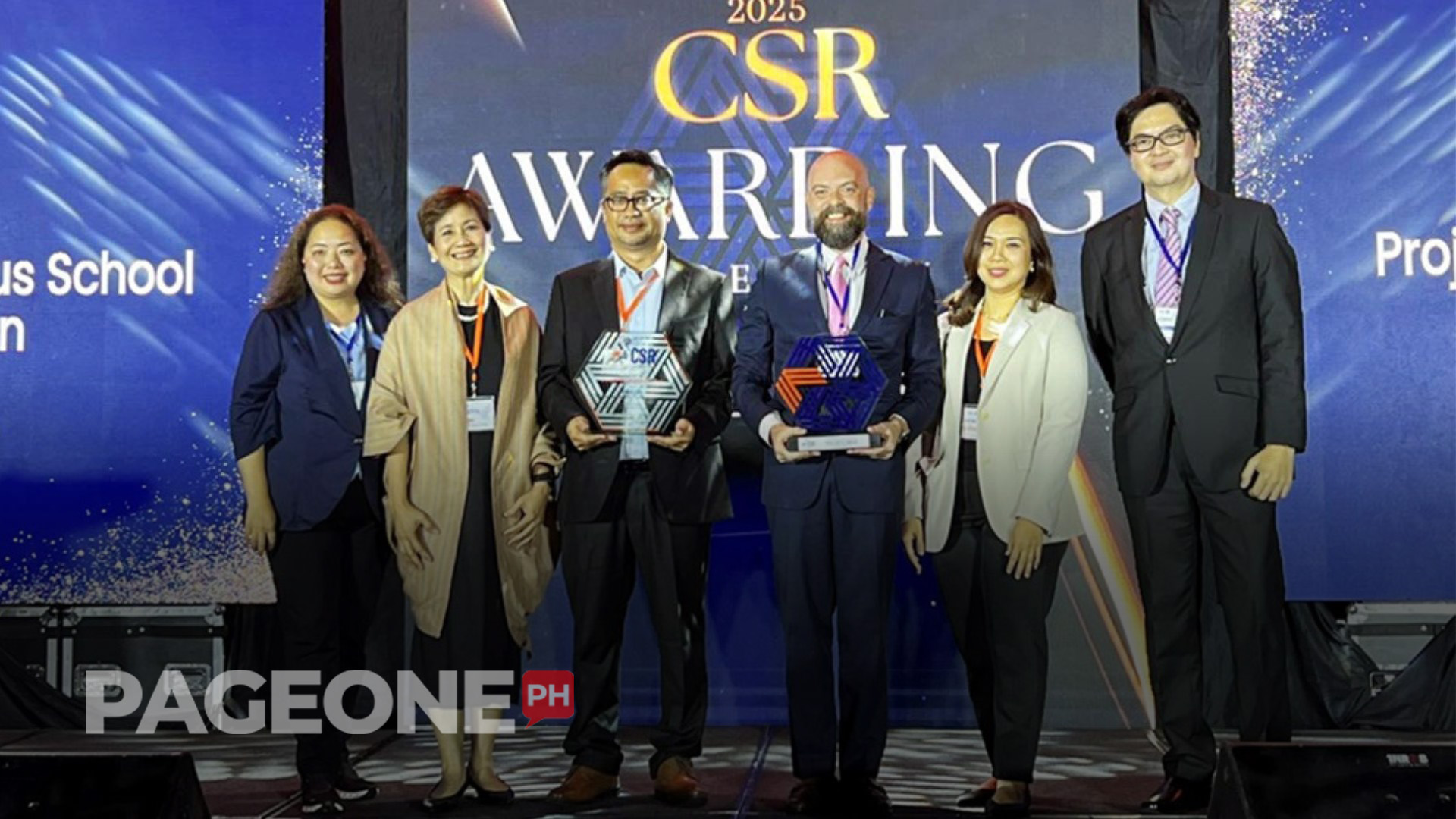






Project Liadlaw, a solar energy and education initiative of Vivant Foundation, the CSR arm of Vivant Corporation, won the top award in the Education category of the 2025 CSR Guild Awards for its efforts to support learning in remote Indigenous Peoples (IP) and mountain communities without access to electricity.
Organized by the League of Corporate Foundations (LCF), the CSR Guild Awards recognizes programs that demonstrate long-term, sustainable impact in communities.
Project Liadlaw is part of Vivant Foundation’s broader commitment to improving access to STEM education in public schools. Launched in 2018, Project Liadlaw addresses the learning gap in off-grid communities by providing solar power systems to public high schools, beginning with schools in Bantayan Island, Cebu. These systems allow students and teachers to use lighting, essential equipment, and digital tools, helping improve classroom conditions and learning outcomes.
In collaboration with the Department of Education (DepEd) and the Technical Education and Skills Development Authority (TESDA), Vivant’s program also supports curriculum development by integrating solar technology into the Electrical Installation and Maintenance (EIM) senior high school track. This enables students to gain hands-on experience in renewable energy systems, equipping them with skills that support both personal growth and community development. In recent years, Vivant Foundation has also provided science laboratory equipment, teacher training, and student support for science and technology learners.
“This recognition encourages us to stay the course,” said Shem Garcia, Executive Director of Vivant Foundation. “We see Project Liadlaw not just as a program about solar power, but as a way to empower students and communities in far-flung areas the tools and confidence they need to keep learning and moving forward.
With the support of the European Union, the initiative expanded through Project RELY (Renewable Energy for Livelihood and Youth) to reach additional schools in Cebu, Bohol, and Palawan. Most recently, Project Liadlaw energized the Gamot Integrated School in Quezon, Bukidnon, its second IP school and first implementation in a remote mountain community.
As the CSR arm of conglomerate Vivant Corporation, Vivant Foundation continues to focus on practical, sustainable solutions that respond to the needs of communities, especially those in areas that are often overlooked.


