



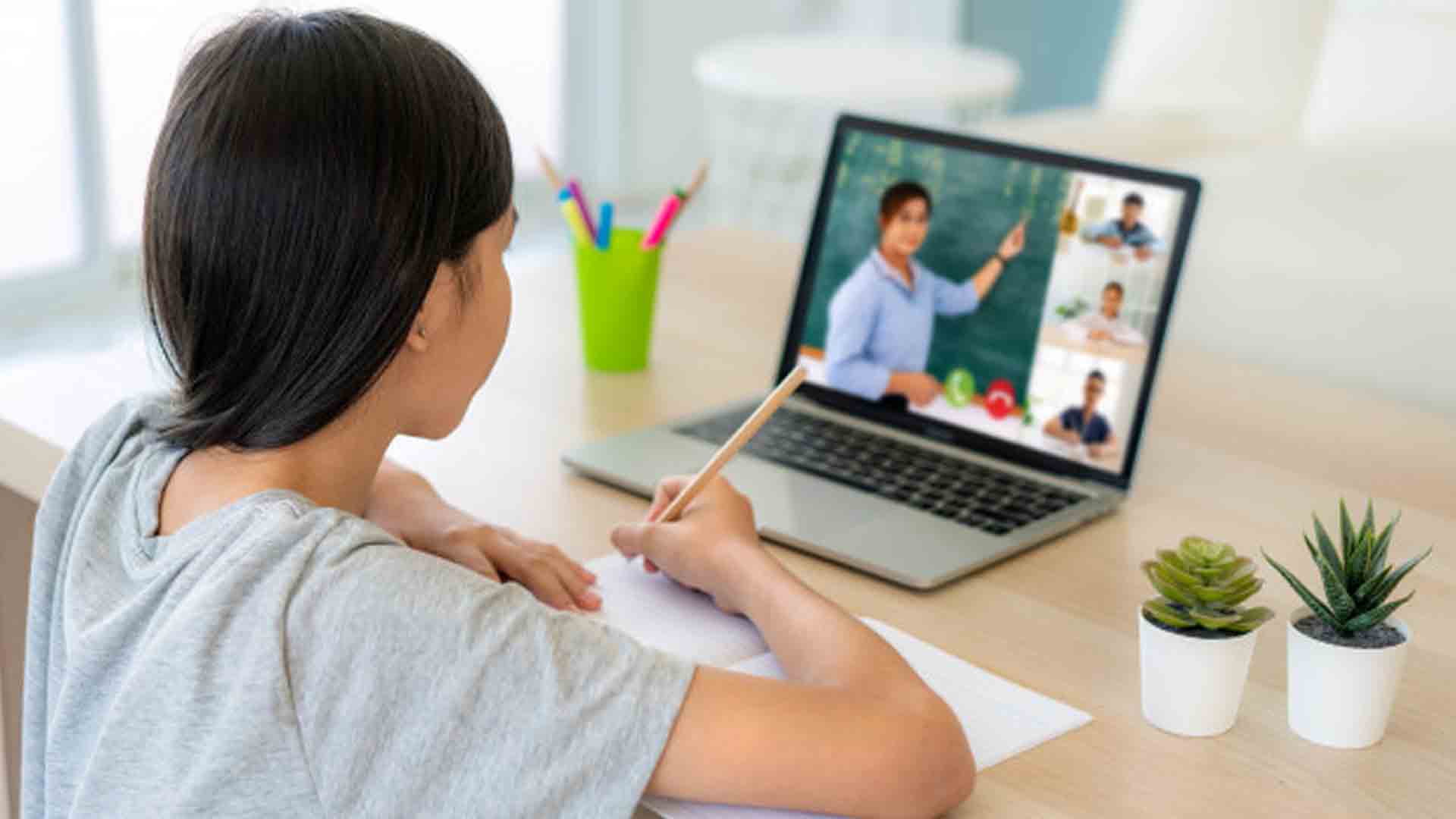







As classes resume on October 5, UNICEF emphasizes the important role that education plays in shaping children’s futures, especially amid the COVID-19 pandemic.
The UN agency for children’s rights lauds the Philippine Government’s decision to start classes with blended approaches to suit the specific needs of Filipino schoolchildren.
UNICEF reiterates that COVID-19 is not just a health crisis, but also a learning crisis. The sheer scale at which school children have gone unreached constitutes an education emergency on a global scale. The repercussions could be felt in economies and societies for decades to come.
During times of crises and emergencies such as COVID-19, children experience stress, fear, and anxiety. Schools do much more than teach children how to read, write and count. Schools help bring a sense of normalcy to children’s lives.
The COVID-19 pandemic exposed high risks for disadvantaged children already lagging behind on learning.
Equity should be placed at the core of education interventions to provide the same learning opportunity to children who are most vulnerable and are from the most marginalized communities. Inability to address these fuels inequality and reverses progress made in recent decades.
Evidence shows that for the most marginalized and vulnerable, missing out on school may lead to child labor, teenage pregnancy, and other situations that can keep them trapped in the cycle of poverty. Children with disabilities and children from indigenous groups, whose risk to be left behind has been magnified in this context, should also be prioritized to prevent negative outcomes that can last a lifetime. Postponing learning, despite the availability of alternative means, makes it less likely that they will ever return to school.
UNICEF, together with other partners, supported the Department of Education (DepEd) in the development of the Basic Education Learning Continuity Plan, as well as capacity building for enhancing the online learning platform, DepEd Commons. Rural multigrade schools benefited from technological packages while young learners received home-based story books. Learning boxes and an online platform were provided for students in the Alternative Learning System (ALS) to fulfil their right to have access to free and complete basic education. Technical support is on-going for various webinars on parent engagement, child rights advocacies, psychosocial support, and learning opportunities for children with disabilities.
UNICEF remains committed to work with DepEd and other partners to uphold every child’s right to education amid the pandemic. Part of its upcoming response initiatives include support to DepEd’s intersectoral collaborations to promote health and social protection of children, a community-based communication campaign to increase ALS enrollment, and preparation of a Basic Education Sector Plan that will specify longer term strategies for quality inclusive education.
On decisions involving re-opening of schools and holding face-to-face classes, UNICEF continues to advocate for phased re-opening of schools in low risks areas, as shown effective in other countries. We urge the government and authorities to look at the benefits and risks across education, public health, and socio-economic factors, in the local context, using the best available evidence. The best interest of every child should be paramount in all these decisions, as outlined by the Framework for Reopening Schools, issued jointly with UNESCO, UNHCR, WFP, and the World Bank and the revised guidance by WHO, UNESCO, and UNICEF on Considerations for school-related public health measures in the context of COVID-19


