









Transforming the Philippine transport sector and elevating it to global standards is among the top priorities of the current administration. Continuous developments to modernize and improve transport systems are happening despite challenges and setbacks, ensuring that accessible, affordable, comfortable, safe, and efficient transport services can be provided to all commuters.
In working towards a reliable and resilient transport system that is crucial to connectivity and economic development, the government shares the responsibility with concessionaires, or private companies that manage, operate, and maintain various transport systems. Within the railway sector, the Light Rail Manila Corporation (LRMC) is steadfastly building a transport system that not only meets the current demands of Metro Manila but also anticipates and shapes its future.
Working hand-in-hand with the Department of Transportation (DOTr) and the Light Rail Transit Authority (LRTA), LRMC has introduced a wave of innovations since taking the helm of the LRT-1 that significantly enhanced operations and the commuting experience for the public.
“We recognize that as a high-ridership north-south artery, the LRT-1 has a pivotal role in the government’s ongoing push for railway renaissance. As such, important upgrades and expansion initiatives have been completed to increase its capacity, alleviate congestion, and seamlessly connect a greater number of communities,” said Enrico R. Benipayo, President and Chief Executive Officer of LRMC.
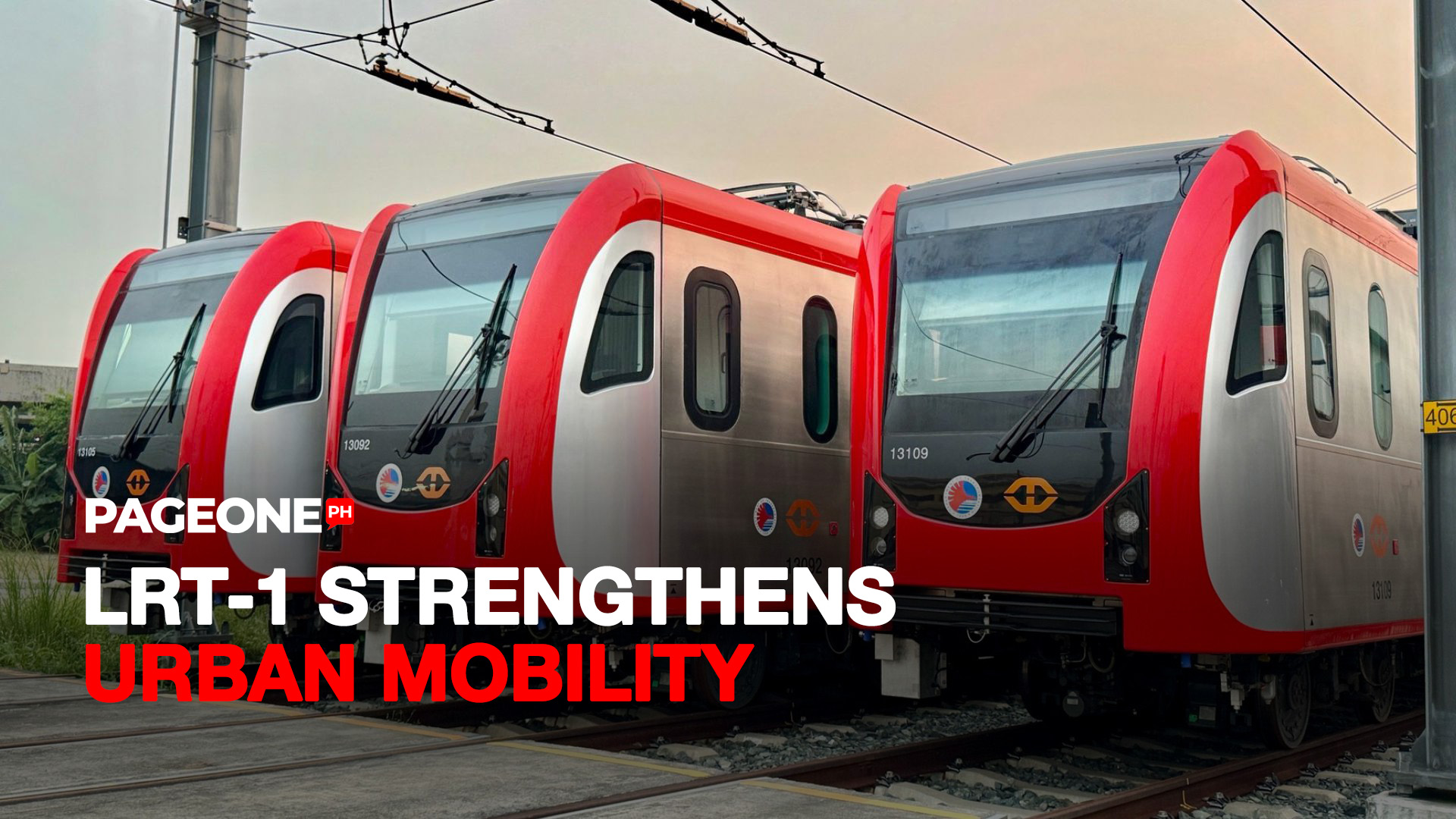
The recent opening of the Cavite Extension Phase 1 is a landmark milestone in LRT-1’s modernization that added six kilometers of new track and five state-of-the-art stations to the line. These new stations are equipped with elevators, escalators, and tactile paving that make transportation more accessible for all passengers. New, modern Generation 4 train sets were also introduced and enhanced through the installation of a state-of-the-art onboard signaling system. As of writing, there are now 28 Gen-4 trains in commercial service that are bolstering the LRT-1’s overall capacity and operational safety.
Notably, one of the most visible improvements has been the comprehensive LRT-1 station upgrades that are directly aimed at better serving passengers by creating more comfortable and accessible environments. LRMC also embarked on an extensive light rail vehicle rehabilitation program that ensures the continued availability of well-maintained trains, leading to more dependable service for commuters.
In the event of any incident that could disrupt business processes, LRMC has in place a well-established Business Continuity Plan that outlines specific actions to be undertaken, responsibilities for each department, and designated point persons during a crisis to implement robust recovery solutions and ensure the swift resumption of operations and the sustained delivery of safe, efficient, and reliable service.
Looking into the future, the full completion of the LRT-1 Cavite Extension is a cornerstone of LRMC’s ambition of a revitalized and more resilient railway system. According to Benipayo, they are proactively coordinating and engaging with their government partners to ensure that the next crucial phase of the project can commence at the earliest possible time.
“This expanded network, capable of serving an estimated 800,000 passengers daily, is more than just infrastructure—it’s about unlocking opportunities and fostering economic growth in these interconnected communities, bringing the benefits of efficient transportation to even more Filipinos in the years to come,” he added.


