










The textile industry is the second-largest polluting sector worldwide. In the United States alone, approximately 10 million tons of bedsheets end up in landfills annually.
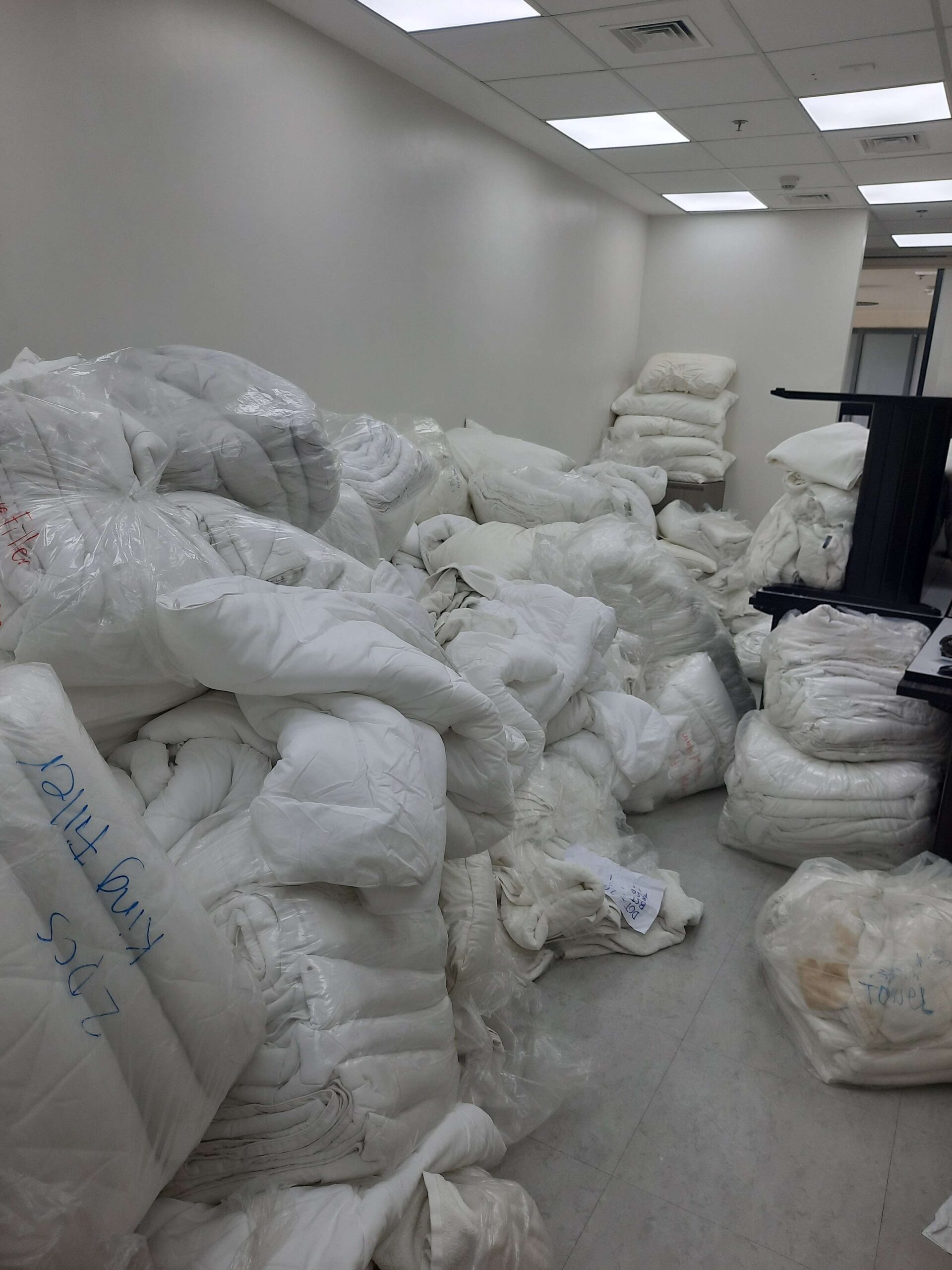
This was the passionate motivation behind REPAMANA, which started as an anti-fast fashion collection by creative entrepreneur Darius “Dars” Jireh Juson.
To strengthen the cause, the budding designer teamed up with fellow De La Salle-College of Saint Benilde (DLS-CSB) Fashion Design and Merchandising (FDM) graduate Allesandra Gutierrez and Multimedia Arts student Earl Marquez.
The trio highlighted the significant contribution of the hospitality industry to the problem. Due to the high standards upheld by discerning guests, bedroom linens, such as bedsheets, pillowcases, and duvets are required to be in pristine condition.
“This linear consumption posed logistical hurdles, which led to collection costs, high storage, and numerous recycling barriers, on top of the environmental effect of cotton production and consumption,” they explained.
“In response to this challenge, we sought to create a solution that addresses this crisis, diverts the hotel textiles from ending up in landfills, and has a creative method of repurposing to keep them in circularity.”
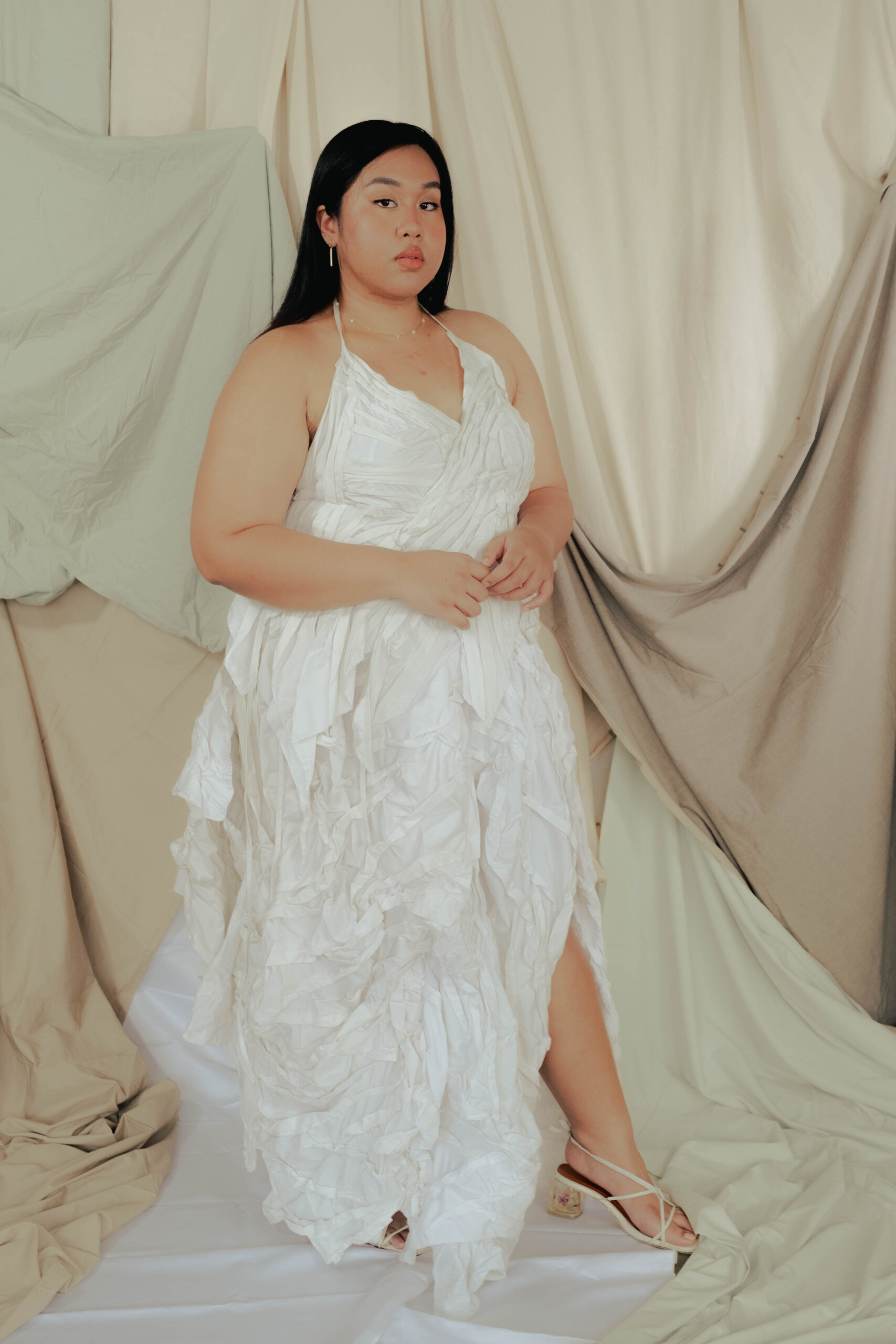
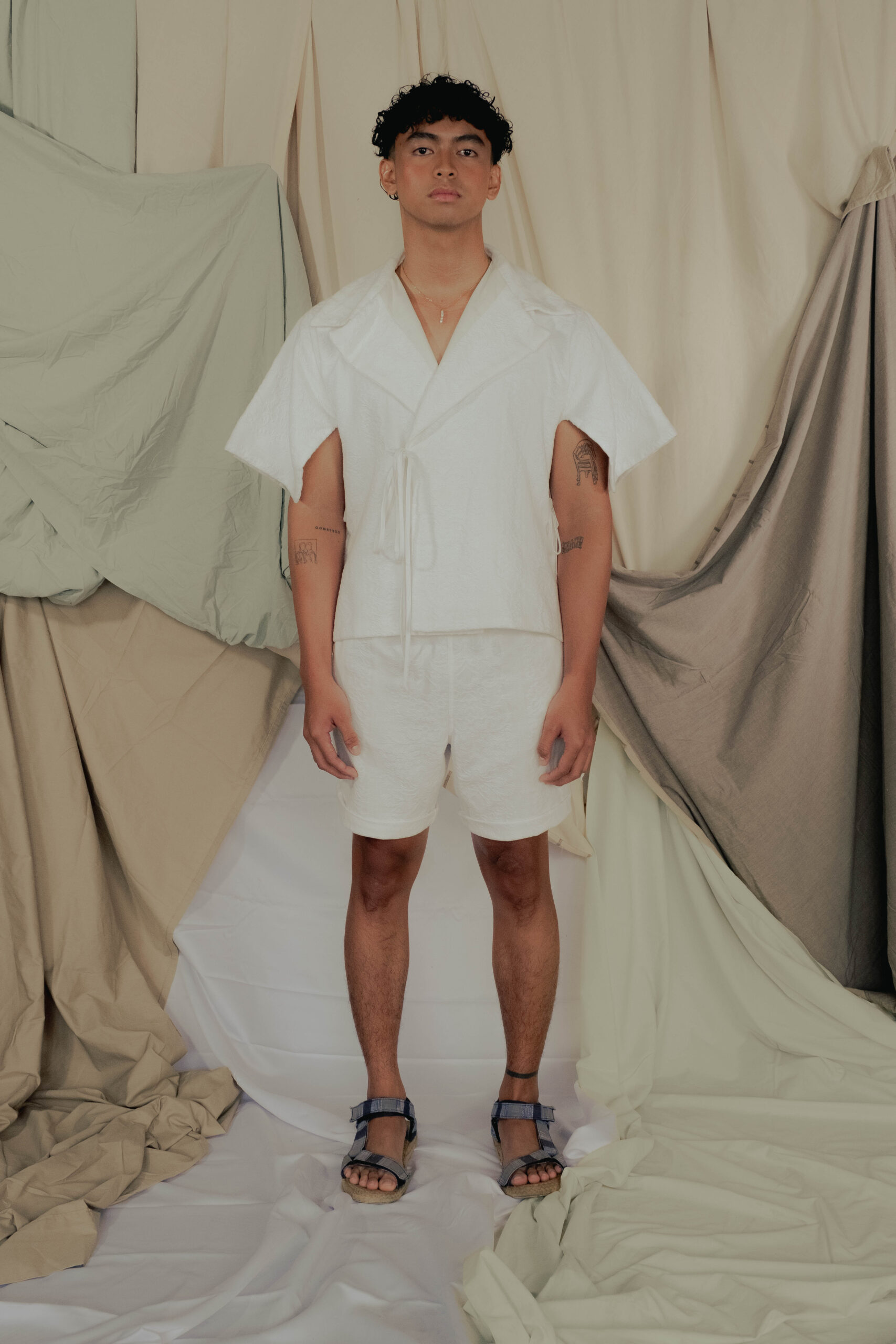
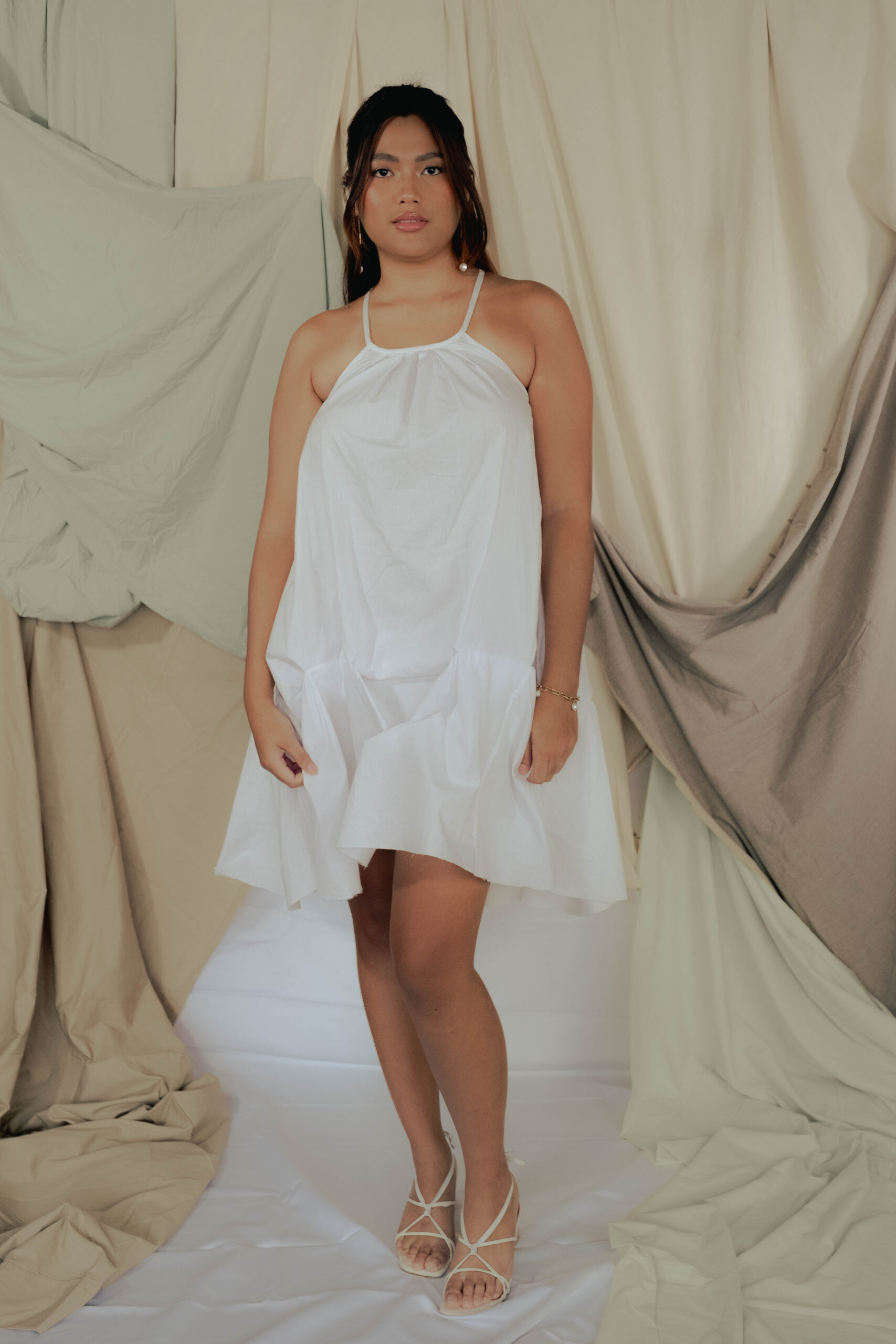
The group then launched this social enterprise which treats textile waste as a primary source of material, as they repurpose discarded hotel textiles into diverse products, from ready-to-wear garments to renewed hotel amenities.
Recently, REPAMANA launched Chapter 0: Origins, a capsule collection of elevated pambahay or house dresses. The selection, which includes core items for everyday functionality, instills design with a sense of ease.
“These garments transcend mere fabric,” they explained. “They are a rebirth, an opportunity to start anew with a garment that can be inherited by generations with a meaningful purpose – essentially, a pamana (inheritance).”
The group believes that REPAMANA stands as a testament to the creative power of purposeful fashion. “It breathes new life and higher value to the end product and gives them modern translation with endless styling possibilities,” Juson added.
Today, REPAMANA has diverted over 200 kilos of bedsheets from landfills and has upcycled over 75 kilos of textile waste into contemporary fashion pieces.
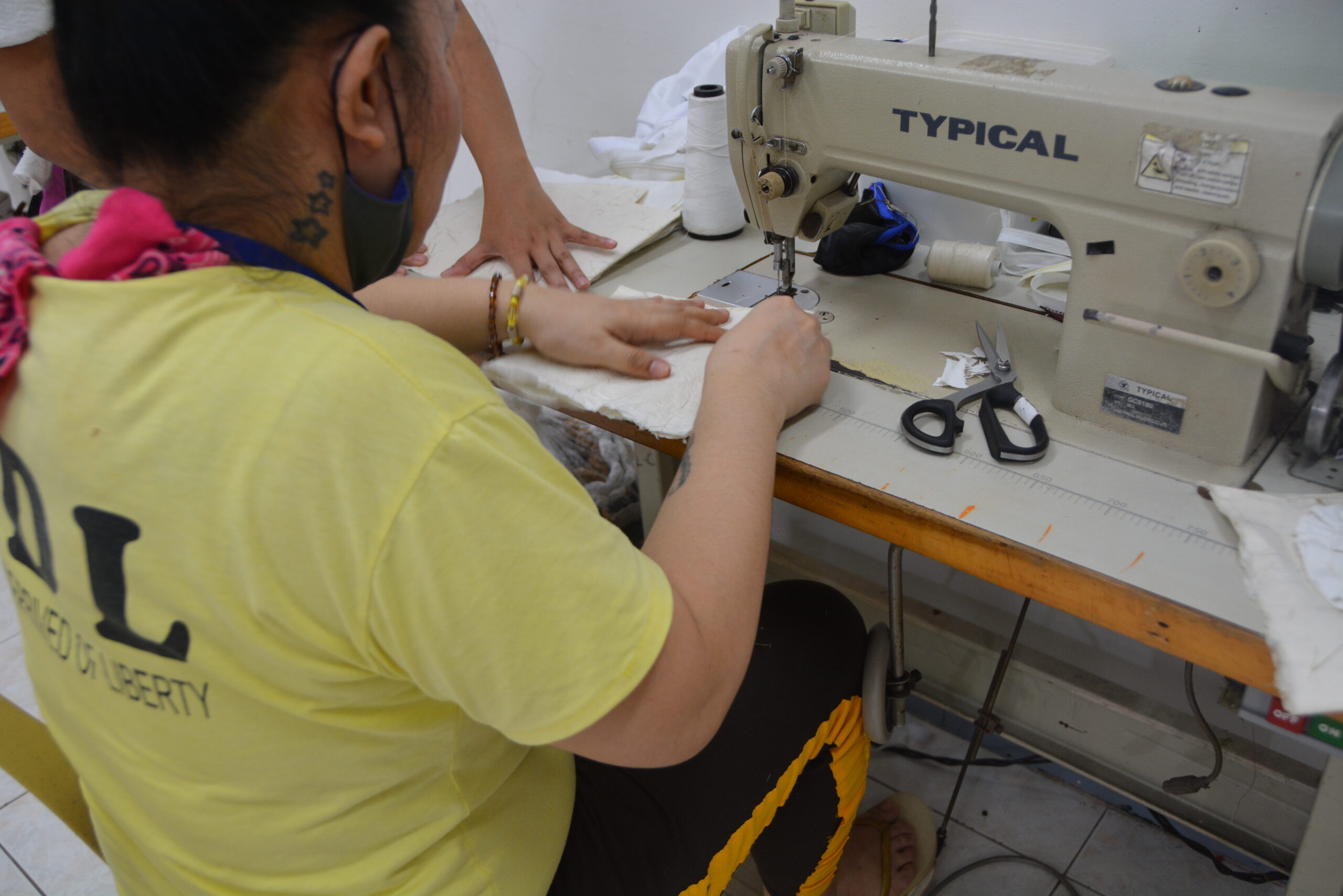
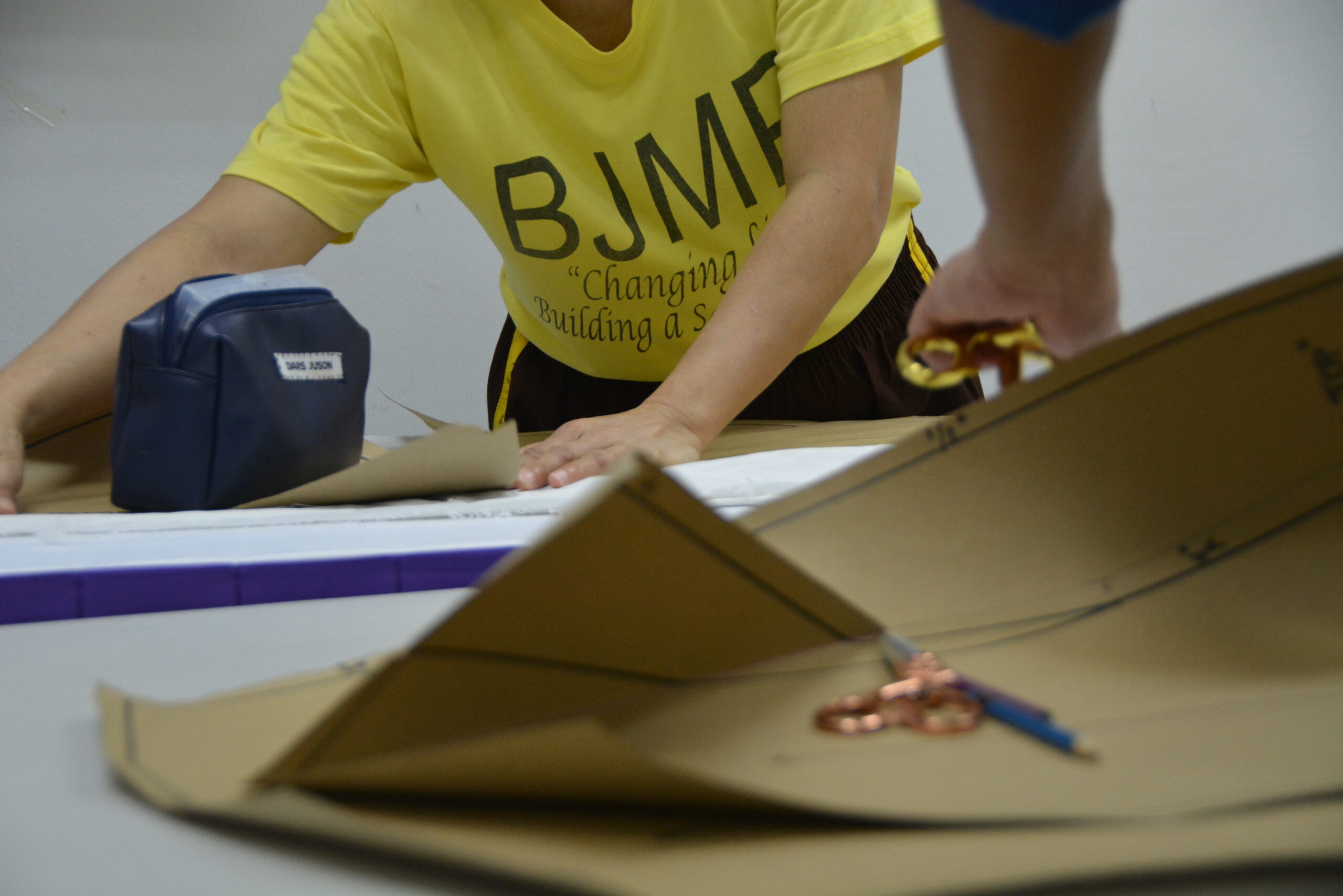
With an equal focus on creativity, sustainability, and community, they provide second chances to female Persons Deprived of Liberty (PDLs). With empowerment as one of the core elements of its social mission, the brand has likewise trained 20 women in dress and accessory making.
“This initiative not only imparts valuable skills but contributes to their rehabilitation and reintegration into society,” the team expounded.
“Through these intentional choices, every stitch, every fabric selection, and every hand involved in REPAMANA supports the story of second chances towards a more meaningful connection with our garments,” Juson added.
Following their crowdfunding campaign, the trio is likewise accepting donations so they can continue to organize more kits for the next batches of sewing and pattern-making workshops. Pre-loved or brand-new pins and pin cushions, tape measures, zippers, bobbin and bobbin cases, footers, thread, needles, seam rippers, tailor’s chalks, and rulers are welcome.
To support the advocacy of REPAMANA, visit instagram.com/repamana.