



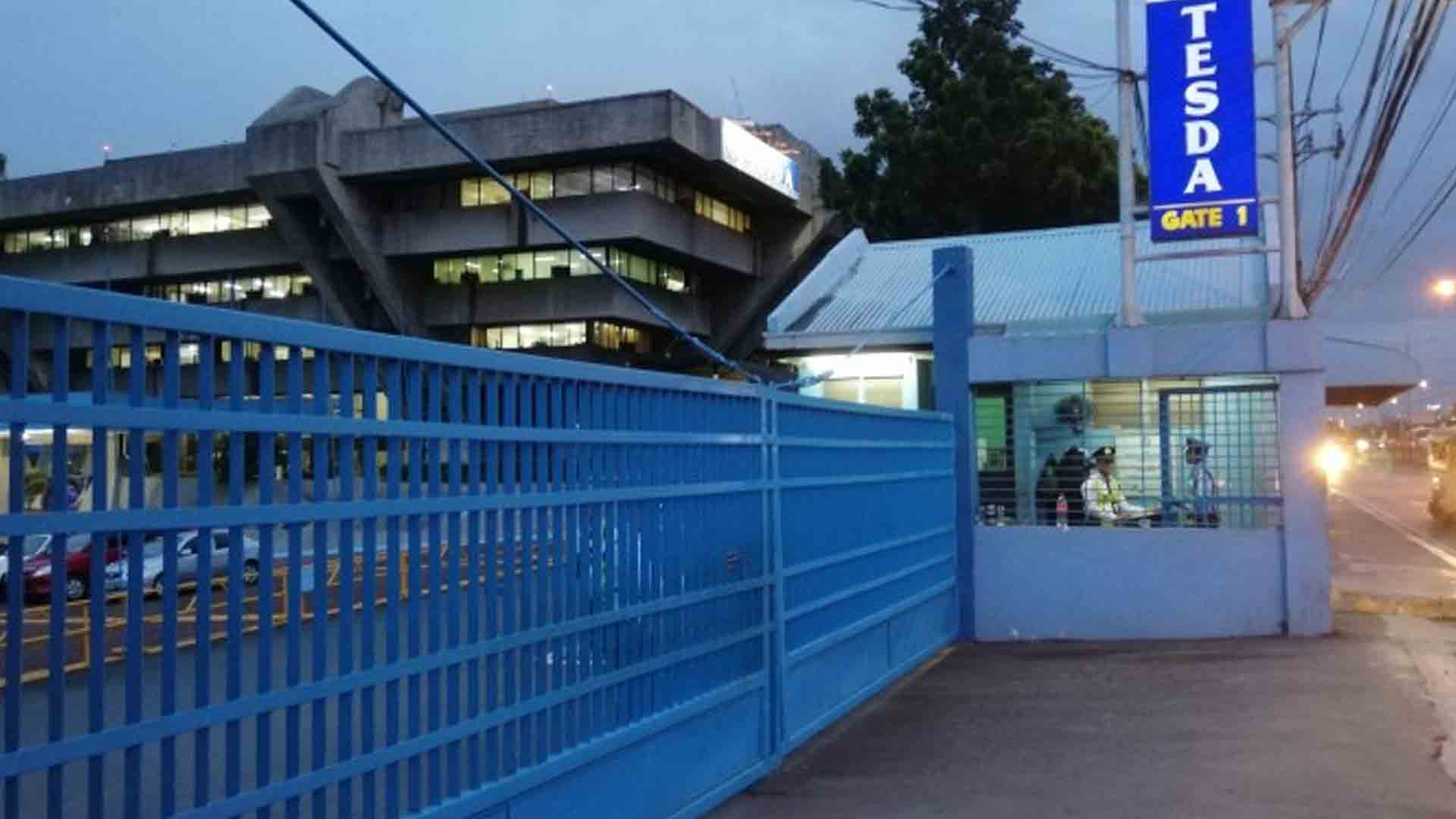






An official of the Technical Education and Skills Development Authority (TESDA) on Friday said they are currently looking at developing a cybersecurity training program, in possible partnership with other countries.
“As we are transitioning to the 5th Industrial Revolution that mostly concerns and involves the internet and computer software, this (would be) beneficial for government, businesses (for) ease of doing business, and also this could help prevent cyber-attacks,” TESDA officer in charge Rosanna Urdaneta told the Philippine News Agency.
Urdaneta noted that unlike other information and communications technology (ICT) courses, cybersecurity is multidisciplinary. “It’s not sufficient that you know about computers,” she said.
The official explained that students also need to learn, for instance, phishing attacks where the hacker tries to fool victims to click a compromised link. While there are technical ways to prevent phishing, this can be better prevented if one is aware of cybersecurity, Urdaneta added.
TESDA is still in the process of discussing the proposed Competency Standards with its Qualifications and Standards Office, and the ICT Office. A TESDA board member has been assigned to assist in standards and competency development.
“We had a meeting on the proposed competencies yesterday. We agreed on a lot of things and we are confident that we will be able to present this to the expert panel and eventually to the TESDA Board within a month,” she said.
Once the Qualification Standard is approved by the board, it will take about three to six months to train assessors and trainers for the new course.
Urdaneta, meanwhile, said TESDA is eyeing to partner with Israel in developing the new training program. “Israel has one of the world’s largest networks of cybersecurity professionals. It also offers an advanced cybersecurity training to its citizens as part of the mandatory military training. So this partnership can be very beneficial to the Philippines.”
TESDA is also open to partnerships with other countries willing to assist in developing the Cybersecurity National Certification, she continued.
Currently, TESDA is offering several ICT-related courses. Some of these include Broadband Installation (Fixed Wireless Systems) NC II; Cable TV Installation NC II; Cable TV Operation and Maintenance NC III; Game Programming NC III; Telecom OSP and Subscriber Line Installation (Copper Cable/POTS and DSL) NC II; Telecom OSP Installation (Fiber Optic Cable) NC II; Visual Graphic Design NC III; Web Development NC III. (PNA)


