



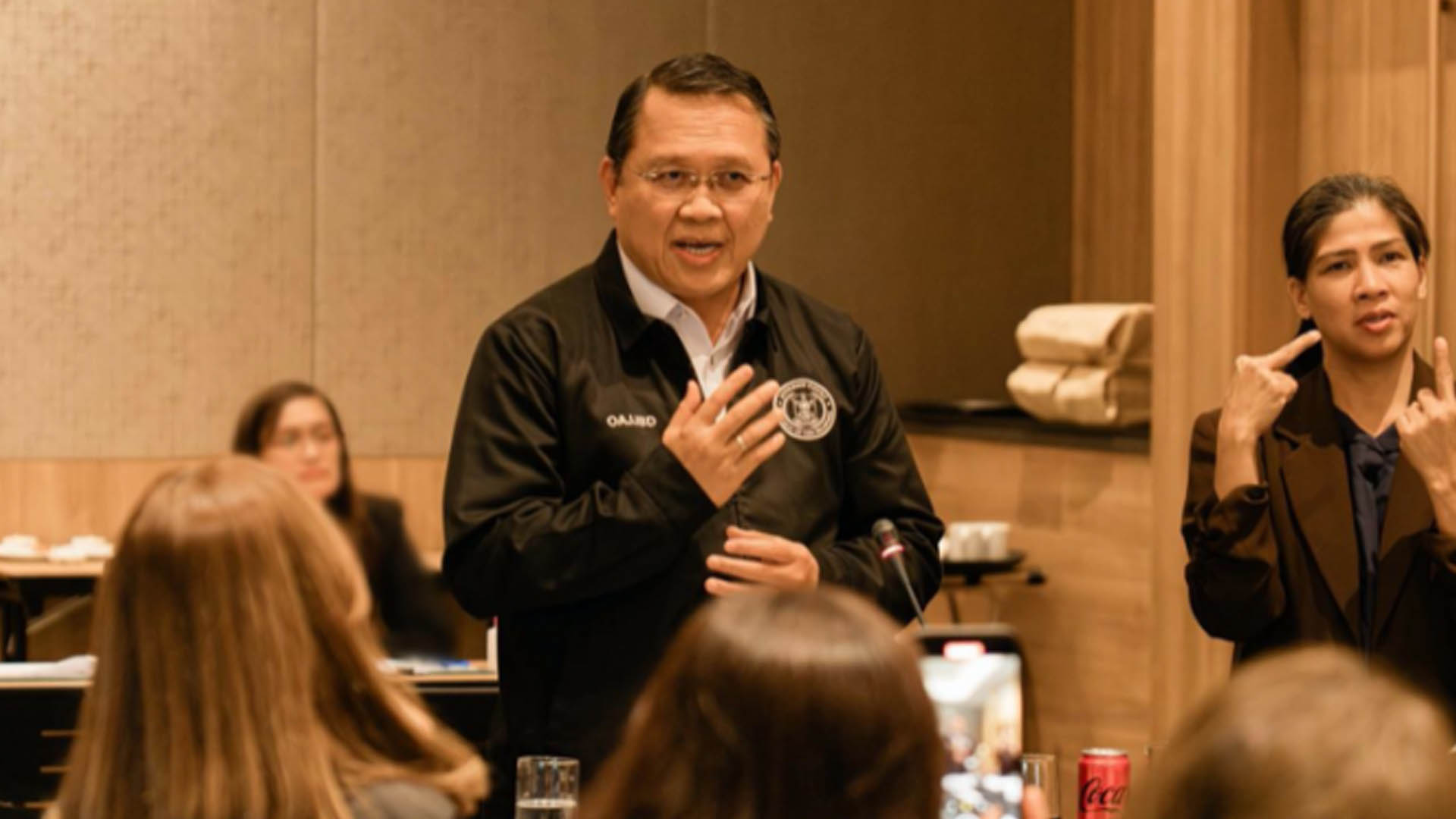






The Supreme Court (SC) on Wednesday says it has completed the draft of the first ever Rules on Filipino Sign Language (FSL) Interpreting in the Judiciary, a step toward making court proceedings more accessible to the deaf community.
In a news release, the tribunal said the draft was finalized by the SC Technical Working Group (TWG) led by chairperson, Associate Justice Japar Dimaampao, and vice chairperson, Associate Justice Jose Midas Marquez, during a two-day writeshop held on July 10 to 11 at the Lanson Place, Pasay City.
The milestone capped a series of meetings and consultation “to ensure the draft Rules are clear, responsive, and aligned with the Judiciary’s commitment to inclusivity and accessibility.”
FSL interpreters were present throughout the writeshop, and deaf individuals — who also serve as members of the TWG — actively participated in the discussions.
“Their direct input helped ensure that the rules truly reflect their needs and experiences,” the SC said.
Once approved by the SC en banc, the rules will be disseminated to courts nationwide through visits and dialogue with judges and court officials.
The new rules will require the presence of qualified FSL interpreters in court proceedings involving deaf individuals to ensure that they can communicate clearly with judges, lawyers, witnesses, and other court users, and be fully understood and heard — affirming their right to equal access to justice.
“The formulation of this Rules on FSL partakes of the nature of a service to the deaf community. This service inevitably evokes altruistic happiness as we find ourselves in the service of others,” Dimaampao said.
“In this regard, our efforts and time find solace in the immortal words of Mahatma Gandhi: ‘The best way to find yourself is to lose yourself in the service of others,’” he added.
He also emphasized the goals of the FSL Rules — to ensure qualified sign language interpreters are available in court; support effective communication between deaf individuals and court personnel, lawyers, and witnesses; and remove barriers that prevent d/Deaf individuals from fully understanding and participating in judicial proceedings. (PNA)


