



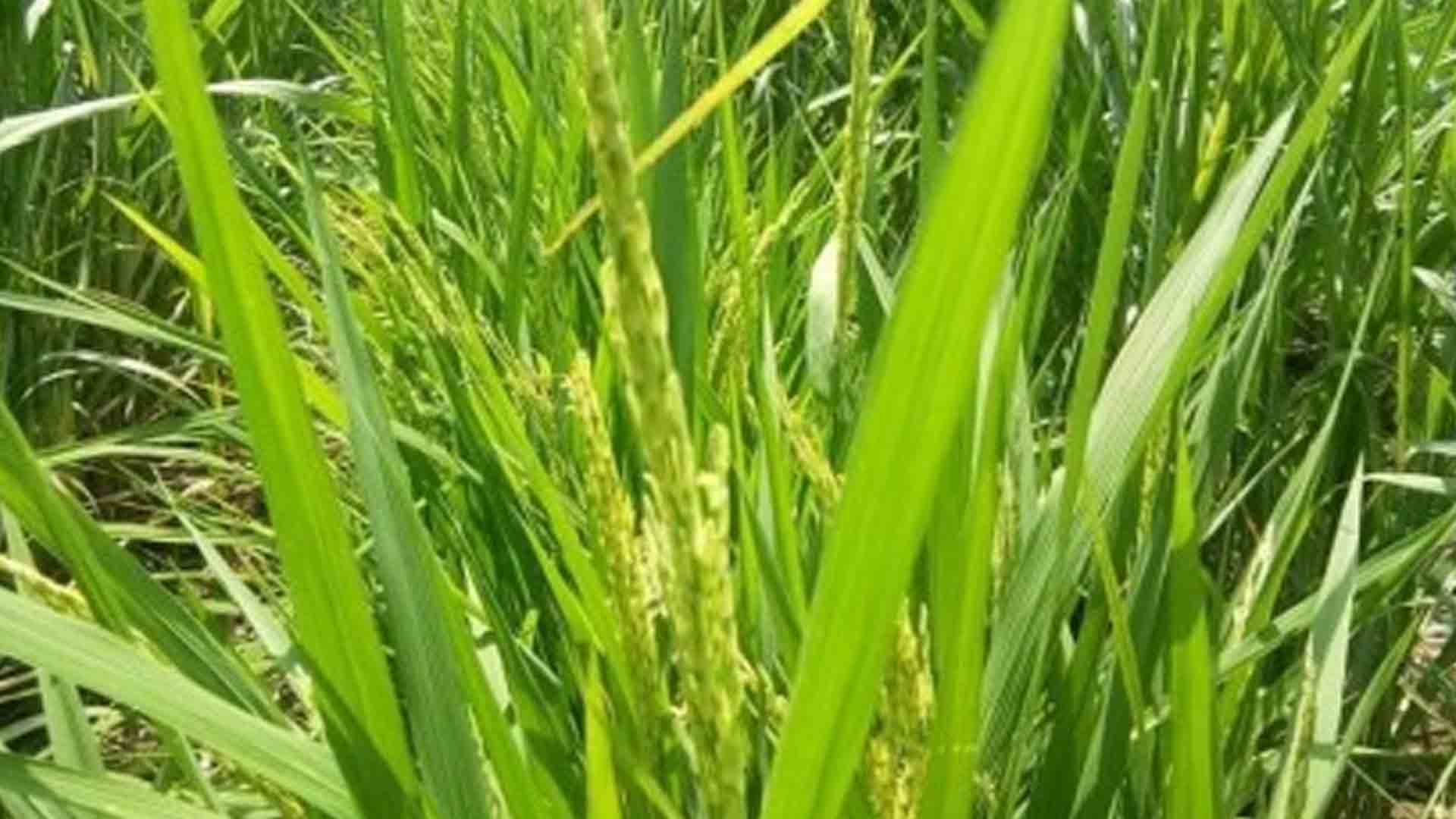






Some sugarcane farms in Negros Occidental are being intercropped with rice to boost the province’s rice production as a strategy for grains self-sufficiency.
These include the two-hectare field in Hacienda Bagacay, Barangay Aranda in Hinigaran town, which is one of the pilot sites for the sugarcane-rice cropping system (SRCS) program as well as in other areas, which have mostly block farms, such as the cities of Kabankalan, Himamaylan, La Carlota, Bago, Talisay and Cadiz, and Murcia town.
“We have been experiencing rice shortage especially during lean months, from June to August. We thought of utilizing sugarcane areas to be intercropped with rice,” provincial agriculturist Japhet Masculino said on Tuesday.
He said in Hacienda Bagacay, the rice crops are now in flowering stage and up for harvest by the middle of September.
Citing a previous study of the Philippine Sugar Research Institute in Victorias City, Masculino said the intercropping system has produced 23 cavans of palay (unhusked rice) or 12 sacks of rice per hectare of sugarcane.
“There’s really a potential in sugarcane-rice intercropping,” he added.
Following the launch of the SRCS in Hinigaran last June, the Office of the Provincial Agriculturist (OPA) and the Sugar Regulatory Administration (SRA) proceeded to do actual studies through various models on different stages of sugarcane growth.
The OPA used the rice seeds provided by the Department of Agriculture (DA) for sugarcane-rice intercropping in eight localities. The seeds are short-duration, from 90 to 95 days, and drought-resistant.
So far, at least 20 hectares of the sugarcane farms in the province have been intercropped with rice.
Masculino said most of these intercropped areas are up for harvest this year, and many other local small farmers have also expressed interest to join the program after the sugar milling season starts in September.
Negros Occidental has 190,000 hectares of sugarcane farms.
“If we can utilize all these areas, this would mean an additional rice production for the province. If we can produce10 sacks of palay per hectare, this would translate to 1.9 million bags of palay or about 900,000 bags of rice,” Masculino said.
Data from the OPA showed that Negros Occidental, with 325,000 metric tons average annual production, has an average monthly rice consumption requirement of 600,000 bags.
The province’s sufficiency level ranges from 95 percent to 85 percent, depending on climatic condition, which translates to a deficit of 300,000 to 900,000 bags.
Masculino said the additional production through sugarcane-rice intercropping can offset the province’s rice supply deficit.
“We are even looking at tapping bigger sugarcane planters to intercrop their crop with special rice varieties mainly for export,” he added.
Negros Occidental, dubbed the “Sugar Bowl of the Philippines”, produces almost 60 percent of the country’s sugar output. (PNA)


