


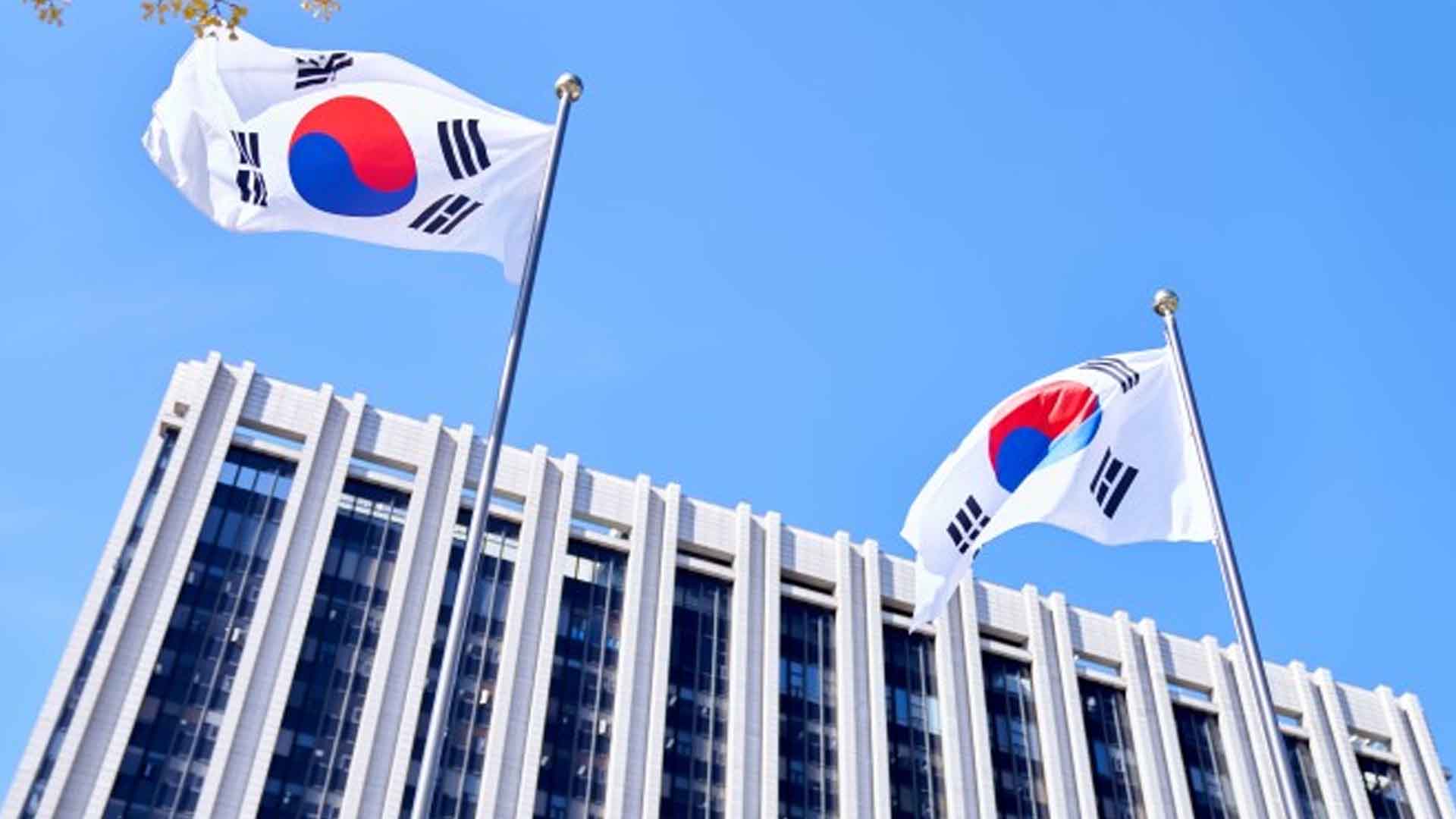






The Korean Embassy in Manila has opened the application for the prestigious Global Korea Scholarship (GKS) – Embassy Track, setting aside 17 slots for Filipino nationals who want to pursue higher education in Korea.
“The Korean Embassy in the Philippines is pleased to announce that the 2024 Global Korea Scholarship (Graduate Degrees, Embassy Track) is now open for application. Seventeen Filipino students will be selected through the embassy track to participate in the graduate program,” the embassy said.
The application period will run from Feb. 13 to March 6.
The GKS is a government-funded scholarship that provides foreigners an opportunity to study in Korean universities and promote “mutual friendship” among countries.
The scholarship covers round-trip airfare tickets, monthly stipends, tuition fees, scholarship completion grants, Korean language training, and medical insurance.
A master’s degree program could take at least three years, one year for Korean language classes and two for the degree completion itself. The doctoral degree program, meanwhile, takes at least four years.
Based on the most recent embassy data, more than 300 Filipinos have been able to study in Korea since 1968 through the GKS.
The application guidelines for the 2024 GKS may be accessed at the Korean Embassy website https://overseas.mofa.go.kr/ph-en/brd/m_3272/view.do?seq=760976&page=1 (PNA)


