



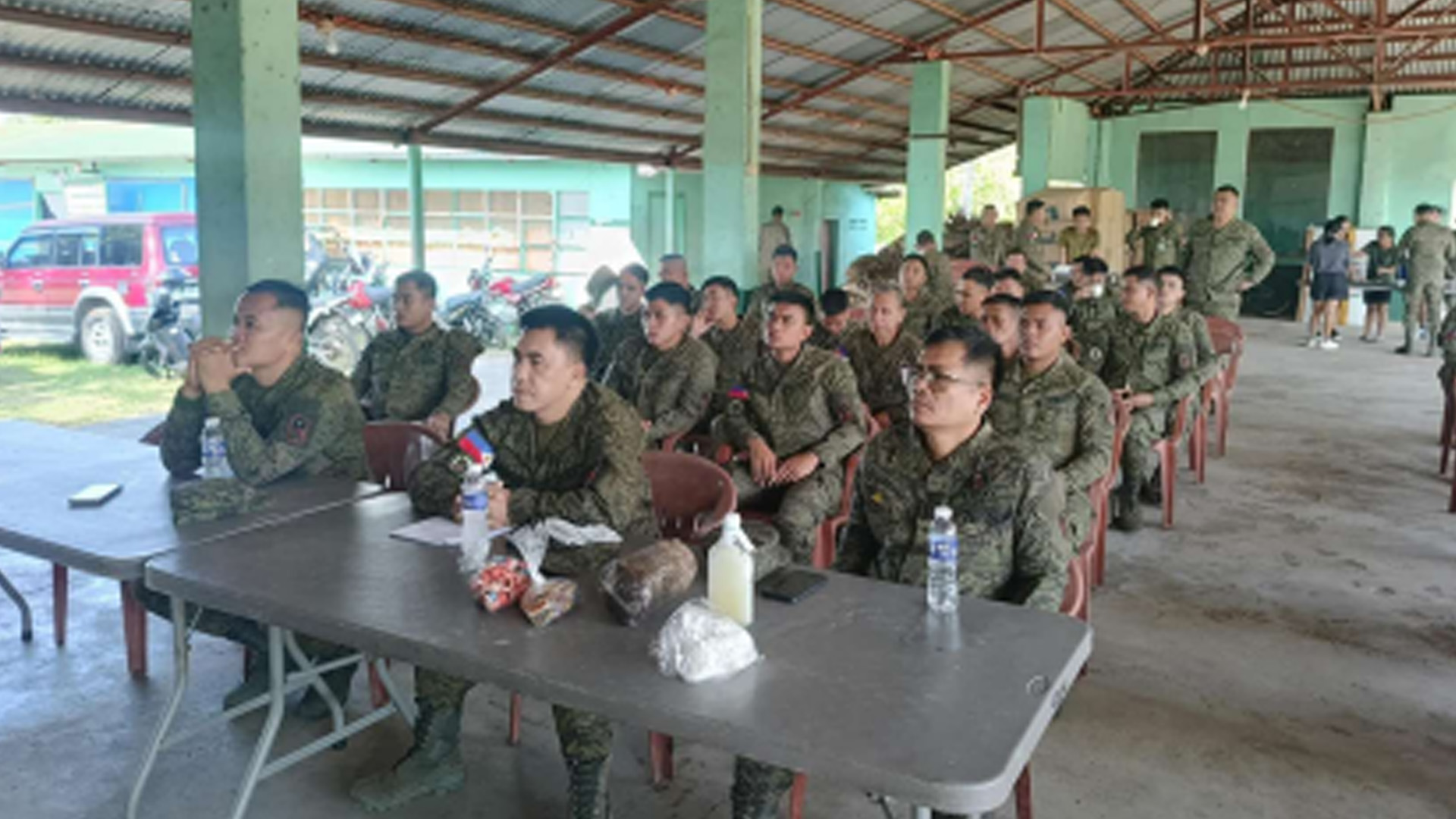






The Department of Agriculture in Bicol (DA-5), through its Regional Mushroom Research and Development Center, trained soldiers from the 9th Infantry Division of the Philippine Army in mushroom production, strengthening food security, particularly for those stationed in remote areas.
In an interview on Tuesday, DA-5 spokesperson Lovella Guarin said the officers participated in the training program on Feb. 27 and 28, designed to help the Philippine Army access safe and nutritious food.
“The Philippine Army was empowered through hands-on demonstrations on mushroom fruit bag production, product development, and lectures. DA provided technical expertise and materials necessary for mushroom setup,” Guarin said.
She said the program has the potential to be expanded to other units of the Philippine Army in Bicol.
In a separate interview, Maj. Frank Roldan, chief of the 9th Infantry Division Public Affairs Office, said the training was particularly advantageous for troops in remote areas where food supplies are often limited.
“The mushroom training equips Civilian Armed Forces Geographical Unit (CAFGU) Active Auxiliaries (CAAs) and some soldiers with essential agricultural skills that can help them sustain themselves during extended deployments. This initiative also enhances their resourcefulness and resilience,” Roldan said.
He added that beyond addressing food security, mushroom farming also offers economic opportunities for CAAs and soldiers.
“Mushroom farming provides a sustainable and nutritious food source, reducing reliance on standard supplies. It also creates income-generating opportunities, as CAAs can sell mushrooms or share them with local communities. The initiative supports livelihood programs that can assist CAA members and active personnel in transitioning back to civilian life,” Roldan said.
He added that while some soldiers encountered challenges in learning agricultural techniques, particularly those with no prior farming experience, experts guided them through hands-on practice, which facilitated quick adaptation.
“Agricultural training provides valuable skills, promotes sustainability and enhances self-reliance. After seeing the success of this initiative, we plan to expand these programs to further support soldier welfare, resilience and community engagement,” he added. (PNA)


