











After years of online classes, face-to-face sessions in school may trigger the anxiety of students due to the continued pandemic, which has also caused lost social skills, deteriorated social connections and fear for safety.
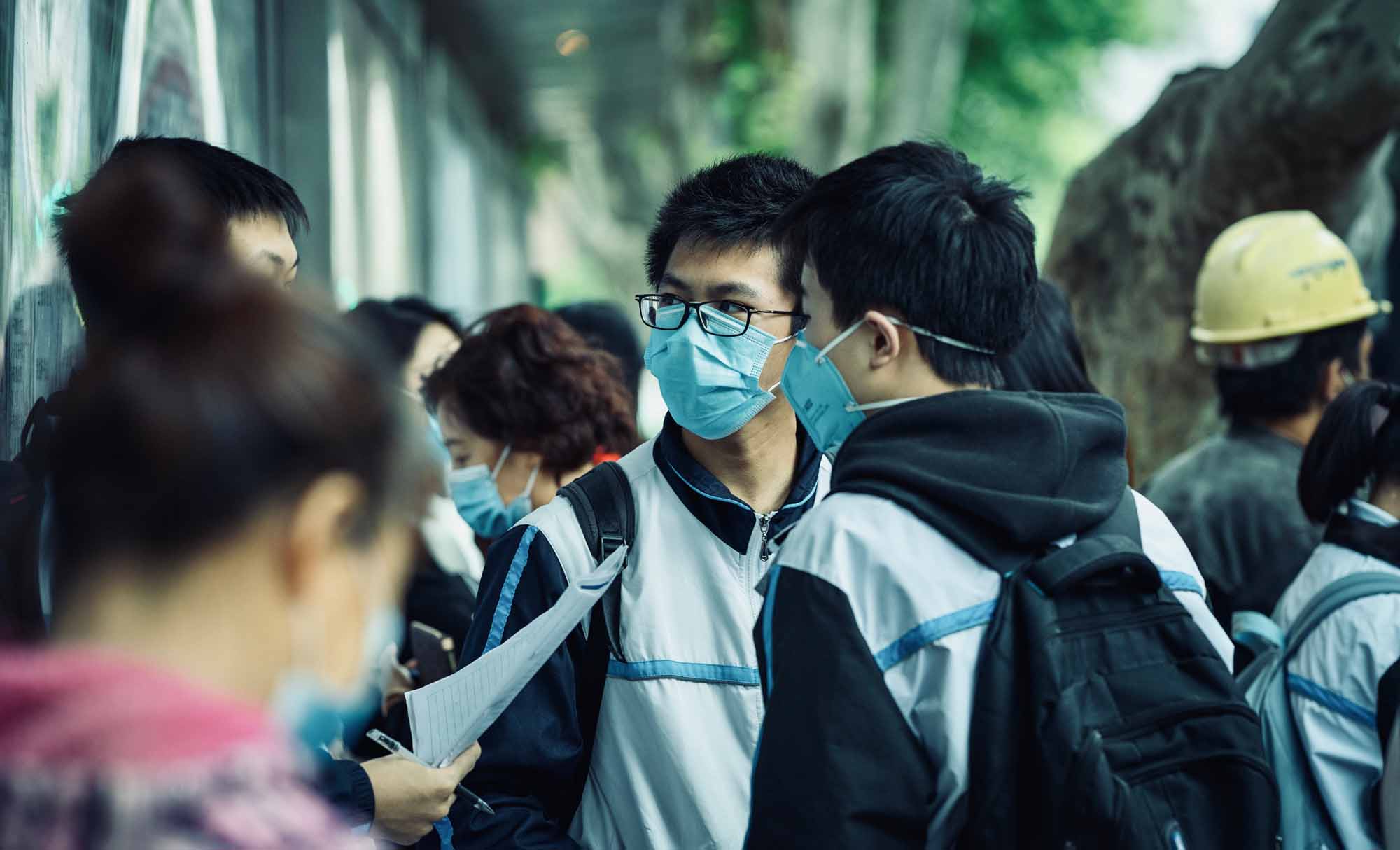
This restlessness may cause concentration difficulties, repeated intrusive thoughts and sleep problems. Symptoms may also manifest through muscle tensions, frequent headaches, stomach aches, irritability and fatigue.
Child and adolescent psychotherapist Katie Hurley, LCSW, on Psycom, a highly regarded mental health resource founded by renowned psychiatrist and clinical psychopharmacologist Ivan K. Goldberg, MD, has shared several coping strategies to combat this feeling.
“It’s really important to remember that you endured a very difficult year that included a lot of uncertainty and near-constant change,” Hurley, who authored No More Mean Girls and The Happy Kid Handbook, stated.
In addition, the Benilde Well-Being Center of the De La Salle-College of Saint Benilde understands that while the campuses gradually open its doors for limited face-to-face classes, the idea of re-engaging in physical activities might take a toll on the mental health of the learners.
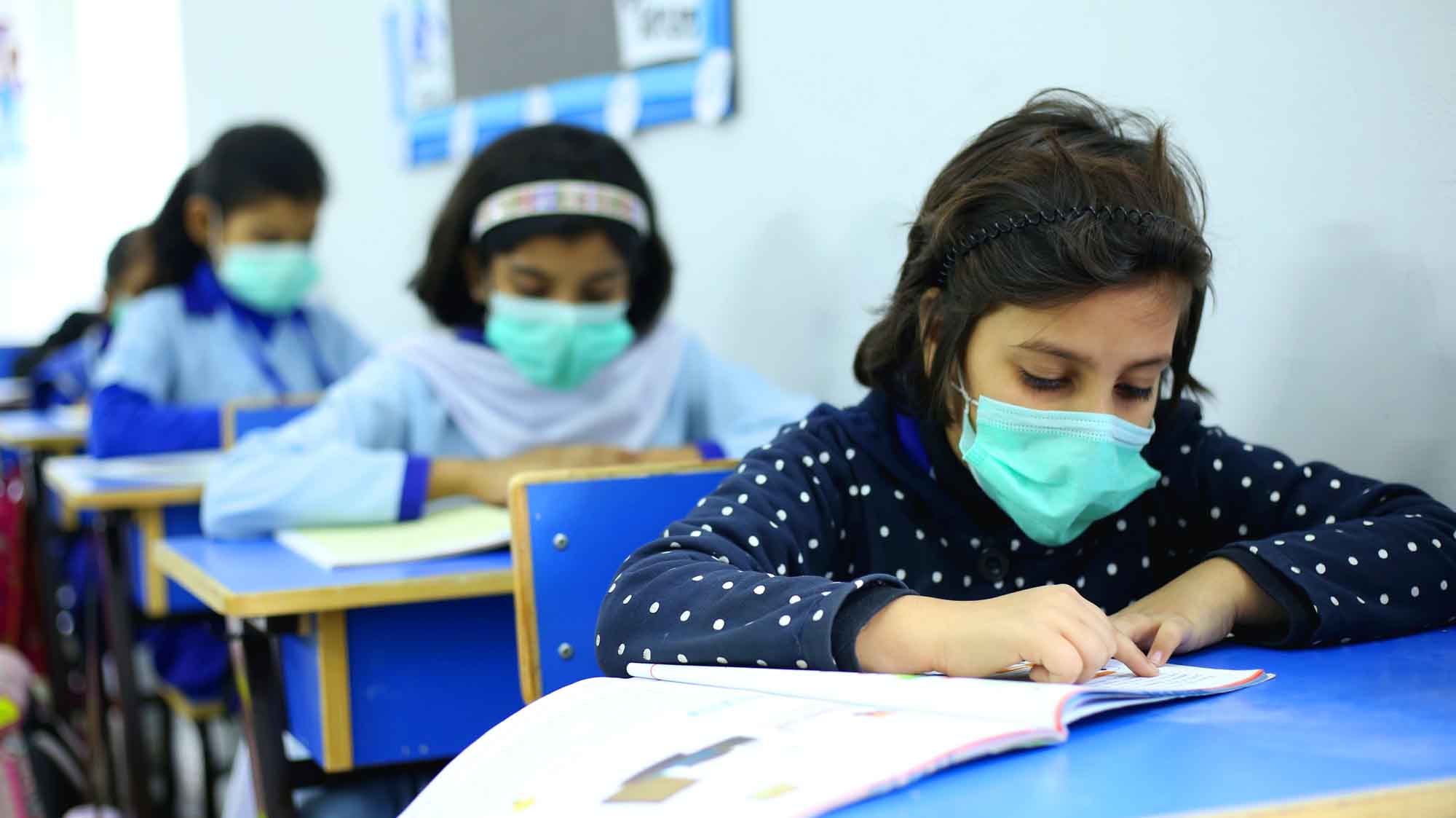
“If your anxiety is making it difficult to get to school or your symptoms are interfering with your ability to complete your schoolwork and do other favorite things, it’s time to see a licensed mental health professional,” Hurley advised. “Getting help is the best way to get yourself back on track.”
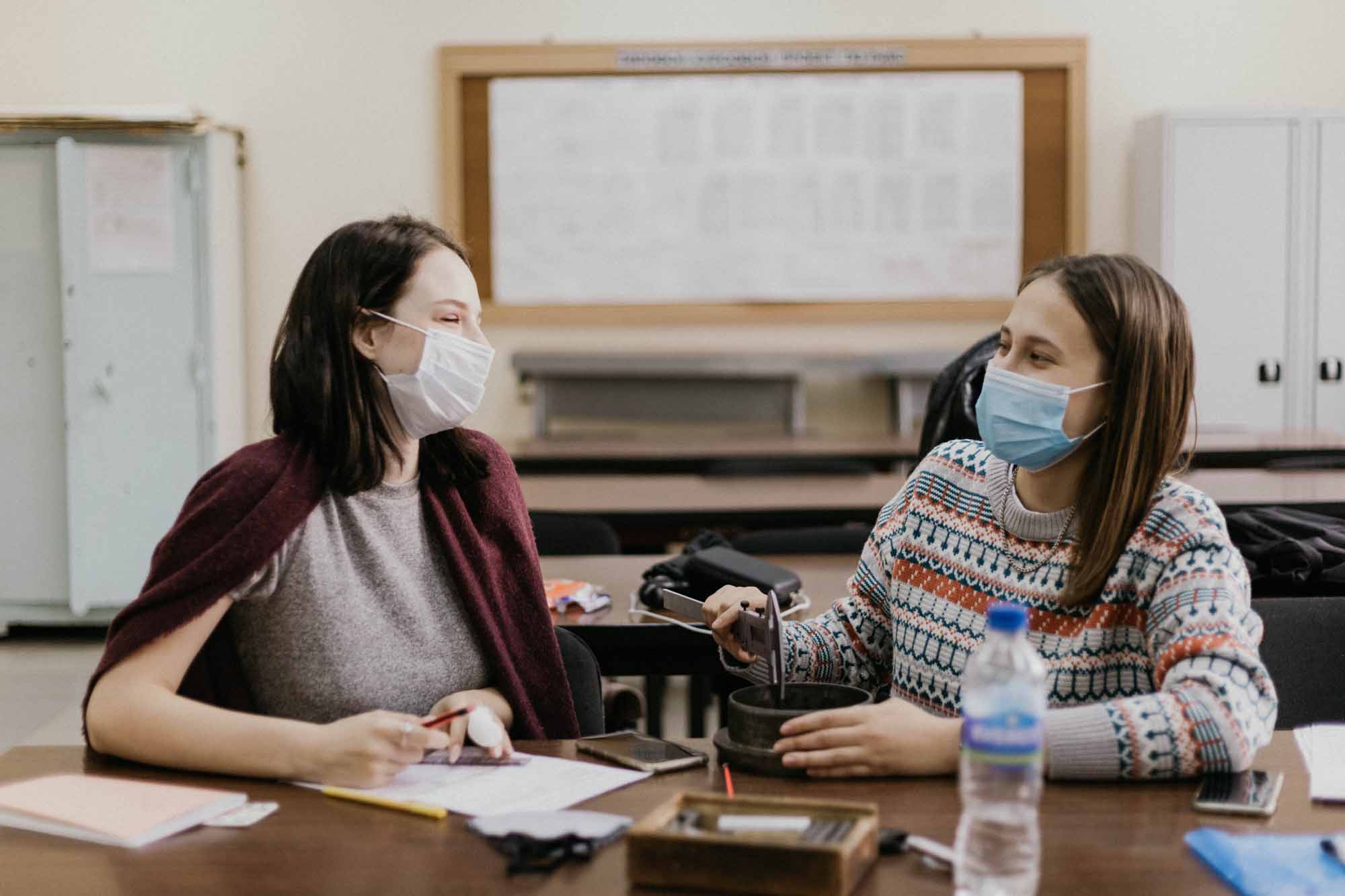
Meanwhile, here are six tips to keep in mind:
1. Master deep breathing.
It is the most effective tool to deal with negative thoughts. One tip is to trace a square in the palm of your hand while you count your breaths. Draw up, across, down and across again while counting to four at each step to create the shape. Repeat this twice to calm down.
2. Practice positive self-talk.
Take a big deep breath. Listen to what your thoughts are telling you. Replace it with a positive one. A good example might be, “I know my classroom is clean and safe. I can be at school today.”
3. Picture a stoplight against intrusive thoughts.
On the red light, ask yourself “Why am I having this worry?” When the yellow light comes on, think of the options to solve the problem. The green light gives you the signal to choose an option.
4. Plan ahead.
By the end of the day, journal your worries and the possible solutions. This gives you a plan to tackle your worries each day.
5. Find your anchors.
Everyone needs at least one person they can connect to. This may be a family member, a friend or a loved one. Talking with someone you trust can help you let your emotions out.
6. Create a routine.
The pandemic turned most routines upside down. However, building a routine helps us feel less overwhelmed. It gives us a sense of control. This may include prioritizing sleep, finding time for daily exercise and planning both homework time and downtime.


