



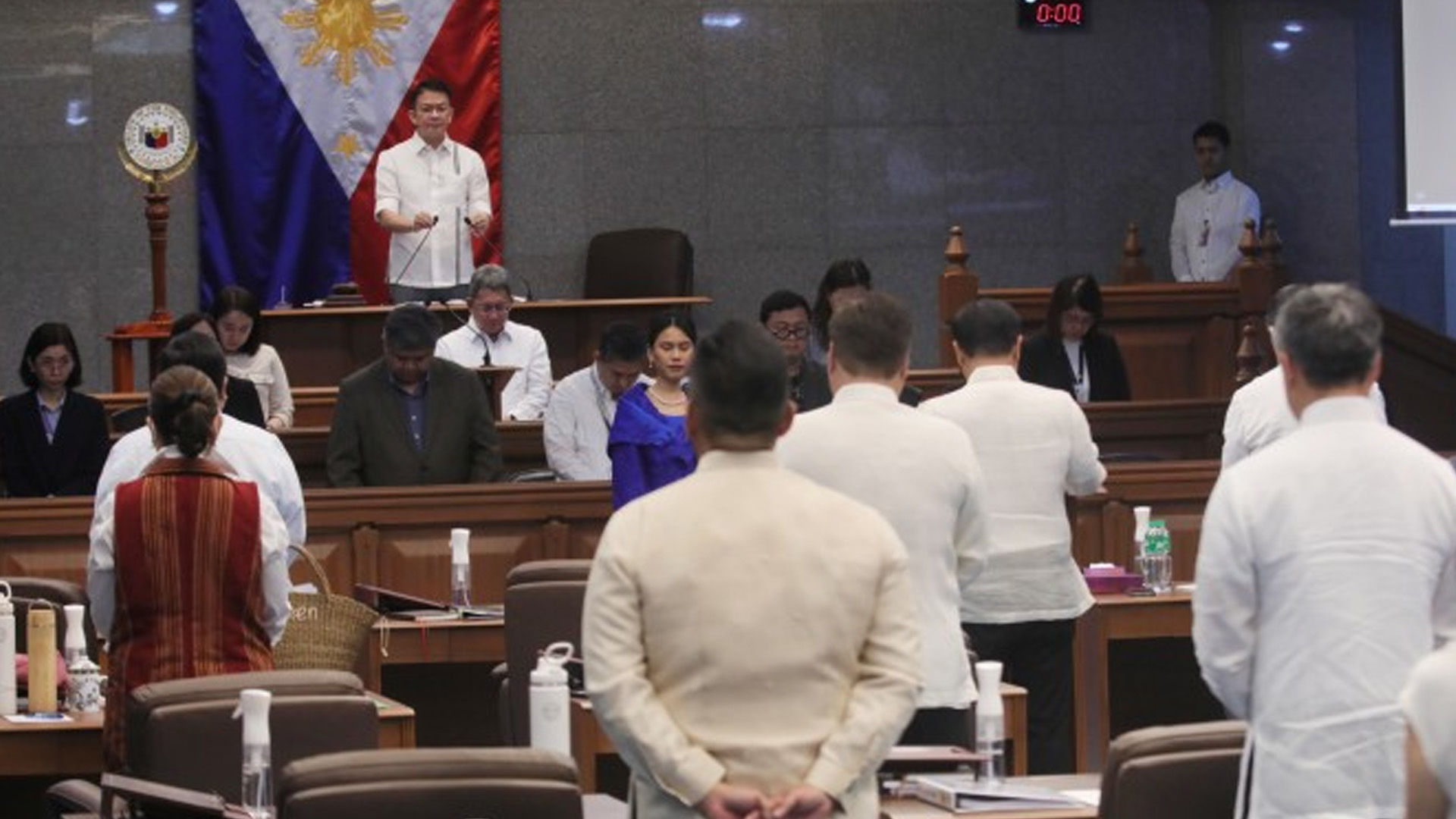






The Senate set a high bar for legislative productivity during the third regular session of the 19th Congress.
With 72 bills signed into law halfway through the regular session, Senate President Francis Escudero said the Senate’s focus is on advancing key legislative priorities, emphasizing its role in driving the Marcos administration’s development goals, safeguarding Philippine sovereignty, enhancing investments, and uplifting the lives of Filipinos.
“We maximized every session day, passing 108 bills in total. Of these, 72 have been enacted into law, including 11 priority measures from the Legislative-Executive Development Advisory Council,” Escudero said in a news release
These include the Archipelagic Sea Lanes Act; CREATE MORE Act; Amendments to Rice Tariffication Law; Anti-Agricultural Economic Sabotage Act; Anti-Financial Accounts Scamming Act; Self-Reliant Defense Posture Revitalization Act; Philippine Maritime Zones Act; Academic Recovery and Accessible Learning Program Act; Enterprise-Based Education and Training Framework Act; Blue Economy Act; and New Government Procurement Act.
Escudero also cited Senate inquiries for producing impactful legislations, describing them as more than just public forums.
“Our hearings and probes led to laws that will serve Filipinos for generations,” he said.
Expressing gratitude to colleagues and Senate staff, Escudero commended their collective effort.
“Our time and effort are for the country. I hope this dedication is remembered,” he said.
Despite challenges, such as natural disasters and political turbulence, Escudero said the Senate’s unity and shared vision propelled its success.
“Our 23 senators, though diverse, are stronger together,” he noted.
During the third regular session from July 23 to Dec. 18, the Senate passed 108 bills, marking a sevenfold increase compared to the first two sessions.
Of these, 44 bills were forwarded to President Ferdinand R. Marcos Jr., including the 2025 General Appropriations Bill, while seven remain in conference committees.
The chamber also adopted 106 simple resolutions and nine concurrent resolutions.
“We ensured that each bill met the highest standards of constitutionality and relevance,” Escudero said, emphasizing the balance between quality and quantity.
Looking ahead to the resumption of sessions in January, Escudero pledged to advance pending measures despite the challenges posed by the 2025 election campaign. (PNA)


