



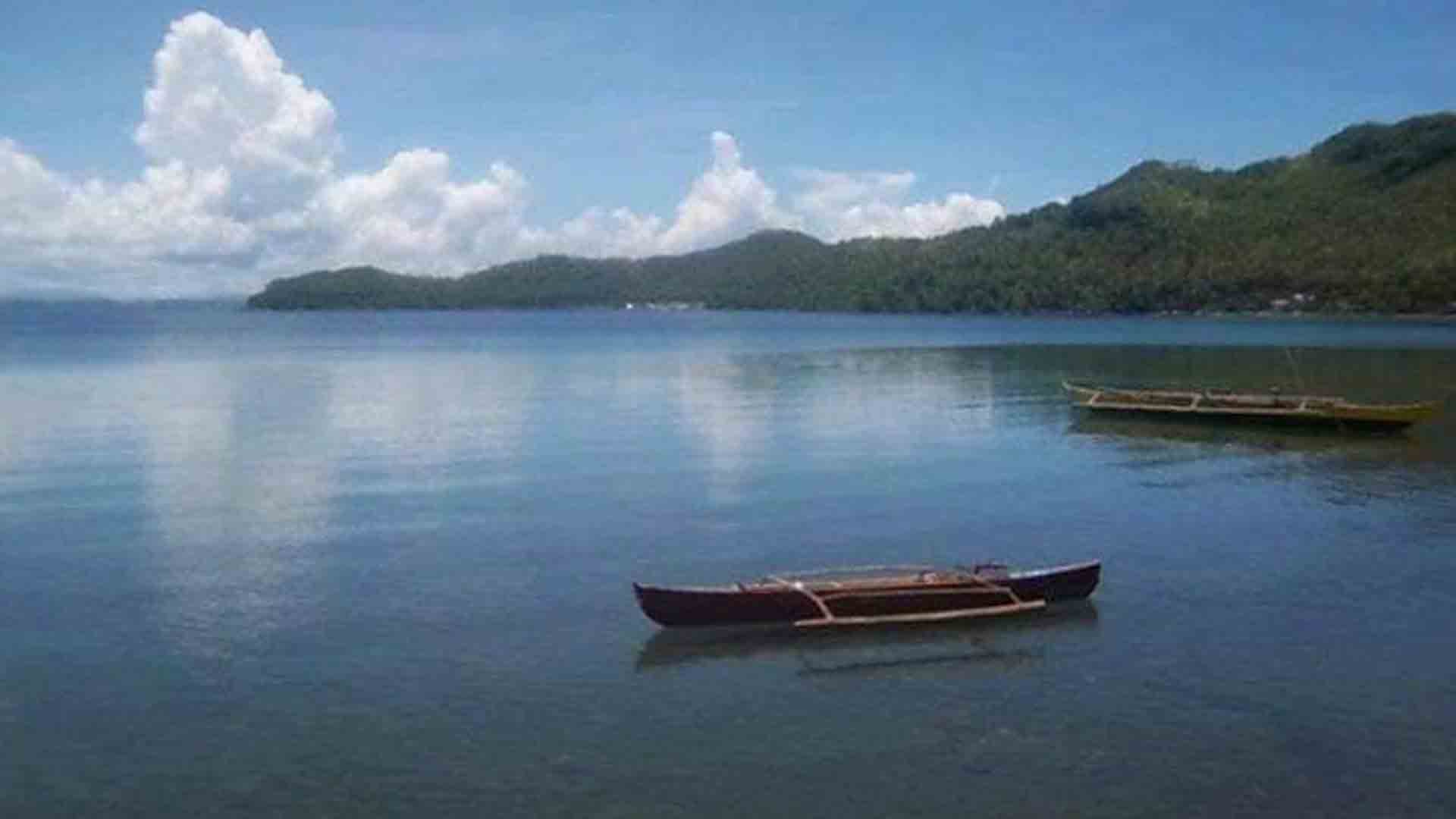






A bay in Catbalogan City in Samar province where the red tide phenomenon frequently recurs, was declared free of toxins, the Bureau of Fisheries and Aquatic Resources (BFAR) announced late Thursday.
BFAR removed Irong-Irong Bay from the list of red tide-hit bays in Eastern Visayas after a two-month shellfish ban in the area.
The latest bulletin has cut the number of red tide-affected bays from four last June to only two this week, according to BFAR.
In a statement, BFAR said heavy rains in the past week, strong water currents, and cold weather dispersed the red tide organisms.
Meanwhile, algae bloom remains in Matarinao Bay in the towns of General MacArthur, Hernani, Quinapondan, and Salcedo in Eastern Samar.
Also affected by the red blooms are the coastal waters of Guiuan, Eastern Samar.
Fish, squid, crab, and shrimp gathered from these areas are safe to eat provided that all entrails are removed and washed thoroughly with running water before cooking.
BFAR asked local government units to heighten their watch against gathering, trading, and consumption of shellfish to prevent the incidence of Paralytic Shellfish Poisoning (PSP).
PSP occurs from ingesting bivalve shellfish (such as mussels, oysters, and clams) that contain red tide toxins.
“We are issuing this precautionary advice to the public to refrain from gathering, selling, and eating all types of shellfish and Acetes sp. locally known as hipon from the said areas,” BFAR added.
The first harmful algal bloom associated with red tide microorganisms in the country was first recorded in Samar on June 21, 1983, that killed 21 people and hospitalized nearly 300 people.
Red tide recurrence has been episodic, resulting in sudden economic losses, and sometimes leading to unexpected loss of lives. (PNA)


