



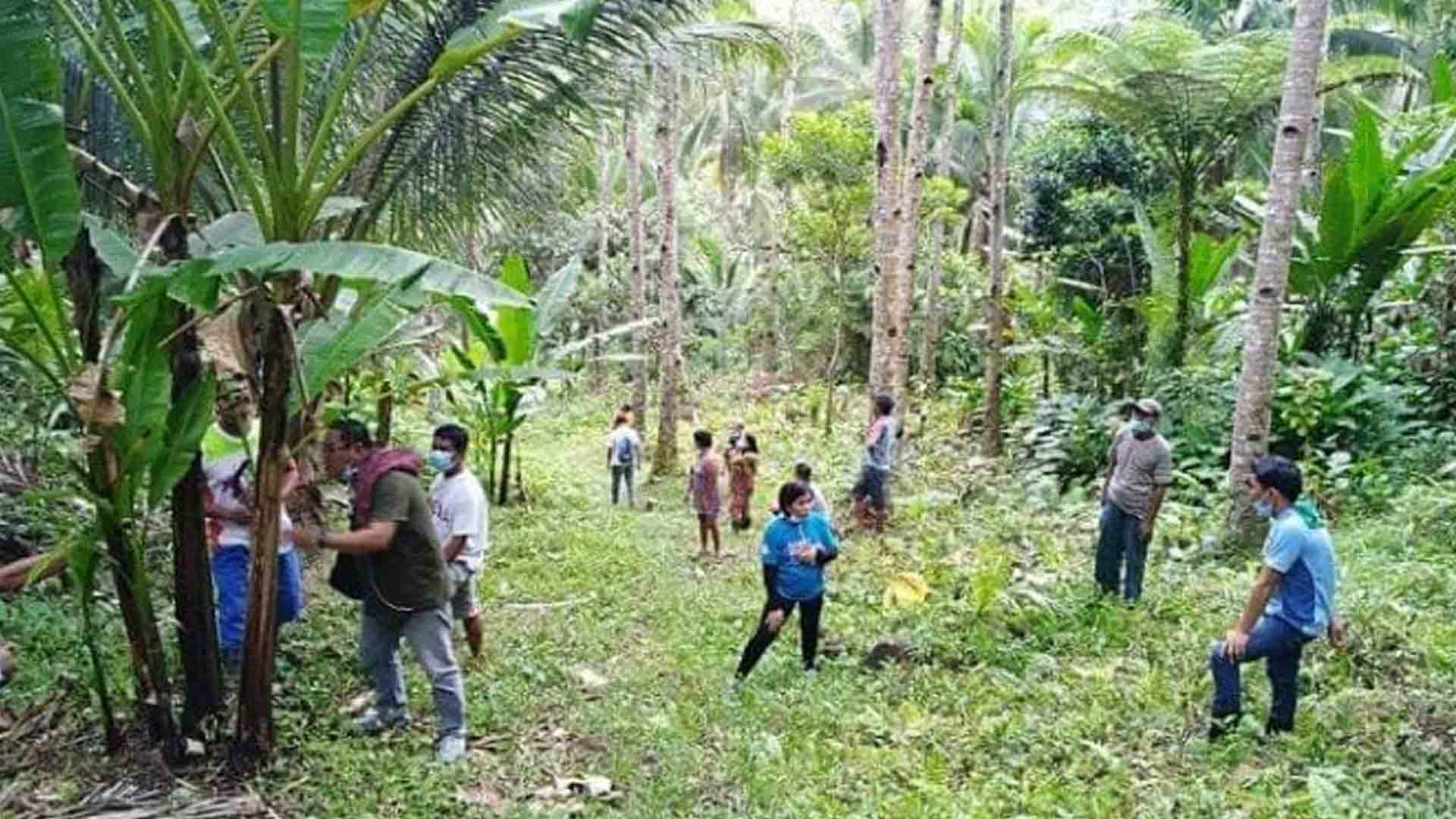






At least 21,600 abaca seedlings have been planted under coconut trees in Eastern Visayas as part of the government’s expanded intercropping initiative.
Philippine Fiber Industry Development Authority (PhilFIDA) regional director Wilardo Sinahon said in a phone interview Thursday they have just completed the planting of abaca in 20 hectares of coconut as part of the project’s pilot phase.
“We hope to cover more areas next year especially in Northern Samar. Our abaca industry will die if there’s no support from the government,” Sinahon told the Philippine News Agency (PNA).
This year, the project initially covered farms in Hinunangan, Southern Leyte; Abuyog, Leyte; Catubig, Northern Samar; and Macarthur, Leyte for its pilot phase. The agency just focused on four towns due to budget constraints.
“We have seen some farms where coconut and abaca grow together, but these are located in upland and far-flung areas. Also, there has been an intensive promotion of intercropping cacao, coffee, or banana in coconut farms. It’s high time to plant abaca under in coconut since the fiber is a shade-loving plant,” Sinahon added.
PhilFIDA launched the project on Oct. 15 through a turnover of abaca planting materials in Lombog village, Hinunangan, Southern Leyte.
The project is in partnership with the Philippine Coconut Authority and local government units.
Eastern Visayas is one of the abaca-producing areas in the country with about 20,000 hectares of land devoted to abaca production.
The region produces 9,000 metric tons of abaca fiber every year.
Abaca fiber is now in demand in the global market due to its application in various products such as electronics, health, and medical products like face masks and personal protective equipment.
Abaca, known as Manila hemp, is considered the strongest of natural fibers. For decades, abaca fibers are extensively used to produce ropes, woven fabrics, and tea bags, among others. (PNA)


