

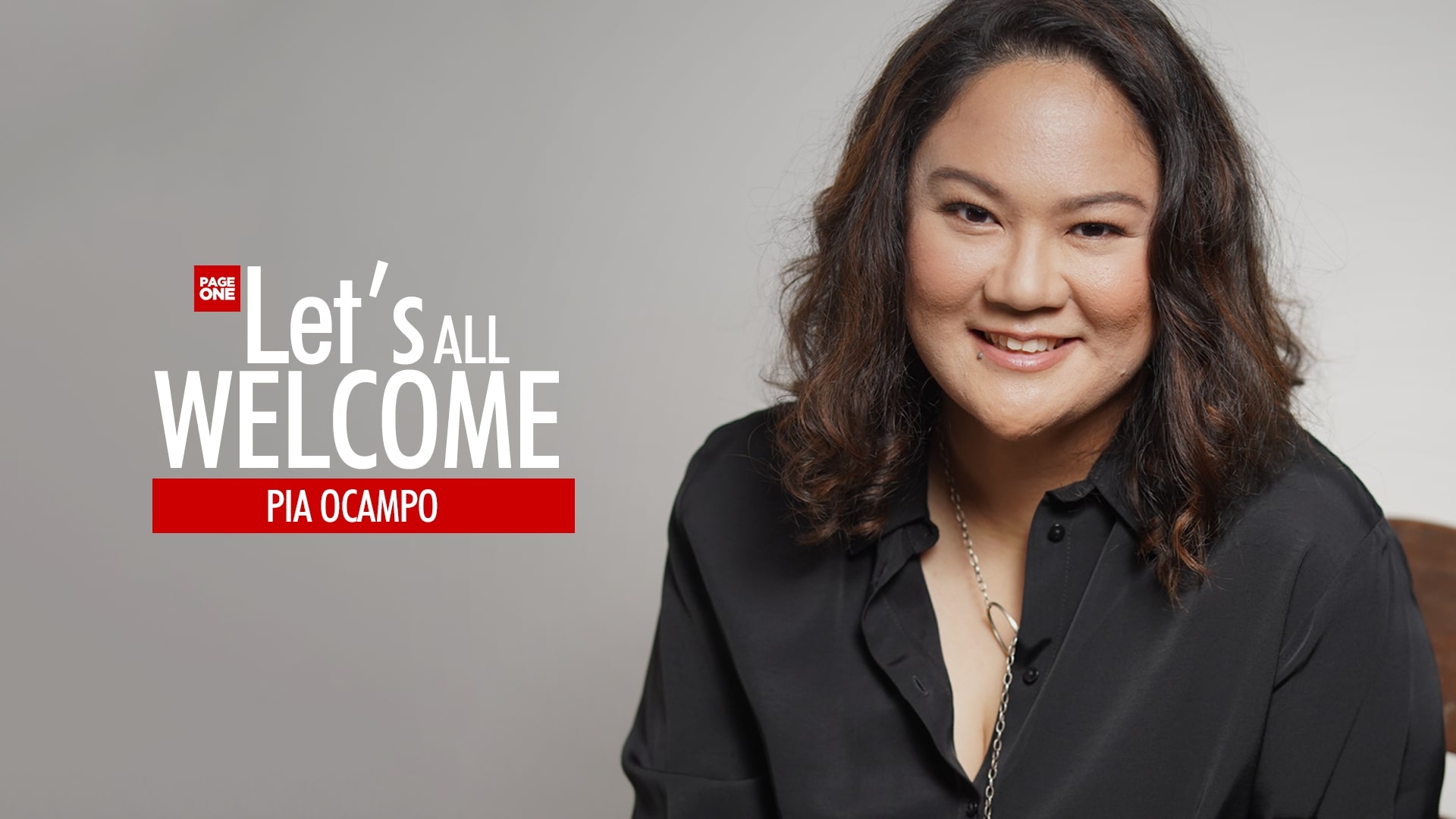




In the heart of every sustainability movement lies a powerful engine: the community. And for Pia Ocampo, it is in this collective energy—nurtured through compelling communication and grounded storytelling—that real environmental transformation takes root.
As a passionate advocate for marine conservation and strategic lead at Pure Oceans, Pia views storytelling not just as a method of communication, but as a “hack into the human software.” In her work, stories go beyond catchy narratives. They are tools for connection, understanding, and ultimately, change.
“When people say Storytelling, they mean different things,” Pia explains. “Some people are thinking ‘stories,’ small ‘s’, a way to craft your message so that it’s more memorable, like: the plastic wrapping your food has in turn become food for the fish.”
This thoughtful approach guides the work of Pure Oceans—from orientations to workshops—ensuring that every effort is anchored in purpose. Pia emphasizes that in crafting any message, it’s not just about the how but also the why and who: “We make sure that the Why of What we need to do together (Who) frames it.”
Even their organization’s name, Pure Oceans, was chosen intentionally. It holds within it a vision, one that stakeholders and communities can share: “Just introducing ourselves, our Why is already clear, and helps people think, yes, I want to be part of that story too.”
But beyond simplified metaphors lies a deeper realm Pia calls Stories with a capital S. These are narratives that shape the way societies perceive the world—often unconsciously.
“Nature is a mother who takes care of us,” she reflects, describing how ingrained perspectives can influence behaviors. “We think of Nature as something other than us… It’s a narrative that has alienated us from Nature, and divorced us from responsibility towards it.”
Pia warns that these long-standing narratives—like the separation of humans from nature, or that nature is simply a resource to extract from—have driven destruction. She encourages a shift in perspective, drawing inspiration from Indigenous worldviews and alternative ways of living that offer seeds of new, restorative stories.
One local narrative she frequently confronts is “May pera sa basura” (There’s money in trash). While seemingly aligned with sustainability, Pia cautions that it can be misleading.
“It makes some people think their unprocessed waste can be a ‘donation’… It also provides an excuse to not be responsible for your own waste,” she shares. “Some people think someone else will take care of it.”
Marine conservation, she adds, also suffers from another dangerous narrative—that the ocean is boundless. This myth of endless abundance and capacity to absorb our waste has, in her words, turned the ocean into “the planet’s biggest trash bag.”
“That behavior of throwing your waste into the river is directly connected to having this conception in your mind that ‘the sea will take it away’… To that very deep, empty place where it can do no harm because we won’t ever see it anymore.”
Such mindsets, Pia believes, need a fundamental rewrite.
This is why for Pia, success is not measured solely in programs launched or MPAs (Marine Protected Areas) established—but in the collective will that makes these possible. She recounts the collaborative efforts behind the protection of Twin Rocks and Batalang Bato in Mabini and Tingloy, areas she considers Pure Oceans’ backyard.
“The establishment of these MPAs… couldn’t have happened without collaboration and communication,” she affirms. “You would have, at the very least, a municipal Technical Working Group or a Coastal Resource Management group made up of representatives from the different community stakeholders.”
These stories are not only examples of successful conservation; they are testaments to what happens when people come together, share a vision, and speak a common language of care.
For Earth Day and every day, Pia’s message is clear: The solutions we need are already within us. But to unlock them, we must tell better stories—ones that connect, include, and transform.
“The mainstream conception of how Humans and Nature relate to each other has to change,” she urges. “It’s exciting to see where the exploration of new Stories can lead us.”
Indeed, if the road to a sustainable future is long, Pia Ocampo reminds us that it begins with a shared story—and a community willing to live it.


