



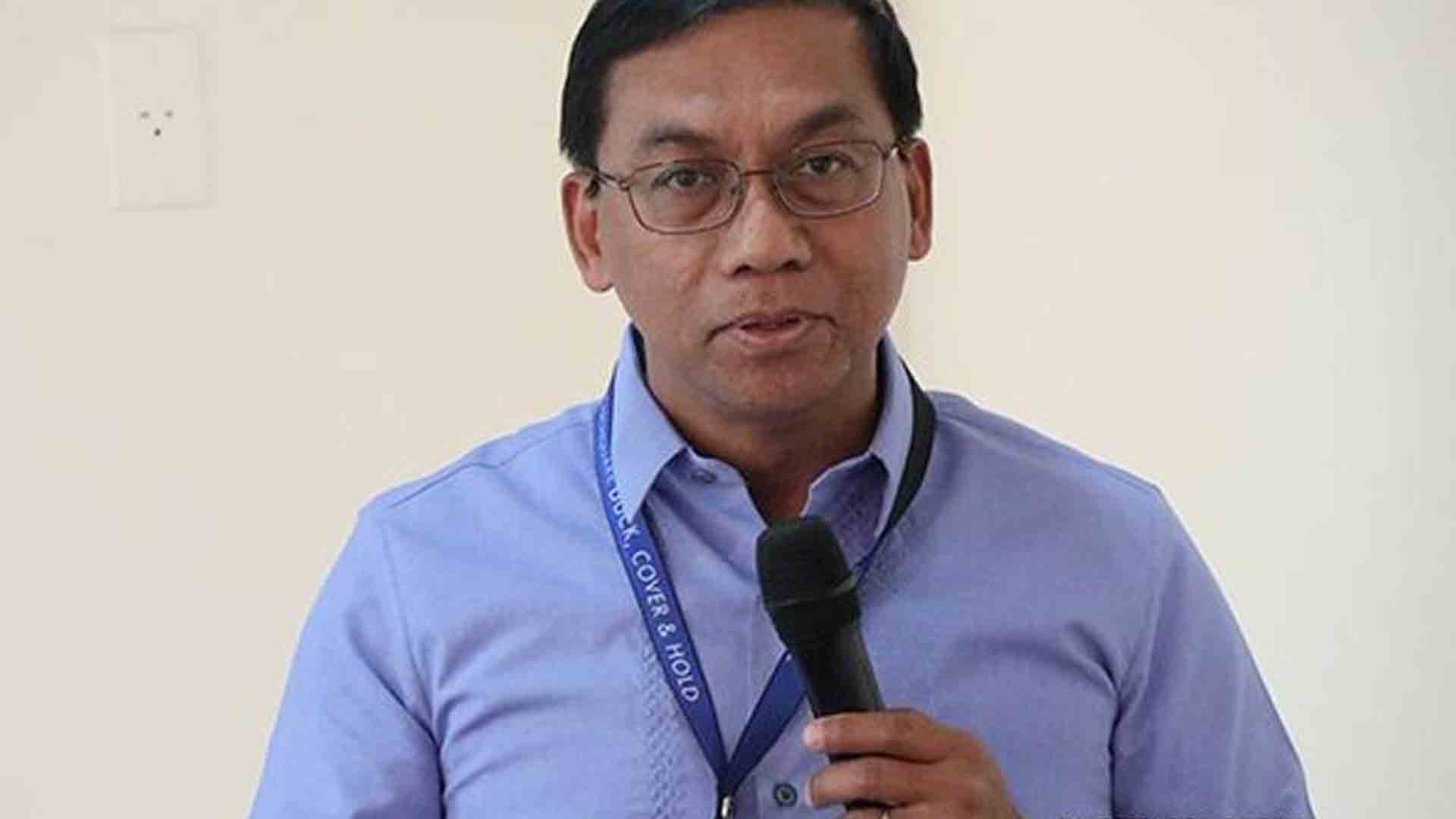






Philippine Institute of Volcanology and Seismology (Phivolcs) Director Renato Solidum Jr. on Wednesday said infrastructures damaged by the magnitude 7 earthquake that jolted Abra and neighboring provinces should be inspected first and not be used for the meantime.
He said aftershocks that may last for days and with strong intensity are expected. As of 4 p.m., Phivolcs has recorded 280 aftershocks. Of these, 13 were felt, and 57 were plotted or located. Magnitudes of these aftershocks ranged from 1.5 to 5.4.
“Ang ating advice, iyong mga lugar na may mga sira, mga bahay, mga gusali ay ma-inspect muna at huwag munang gamitin (Our advice is to inspect first the damaged infrastructure, houses, buildings. Don’t use these for the meantime),” he said in a public briefing.
The number of aftershocks will decrease over time, or after two to three days, according to Solidum.
He, likewise, urged local governments to identify areas that must be avoided for safety reasons.
“There are areas that did not experience landslides but had crack or fissures. These areas will therefore be prone to landslides, especially when heavy rain occurs,” he said.
Solidum emphasized the need to be prepared for strong earthquakes. “Kailangan nating pag-igtingan ang ating kahandaan nito pero huwag nating kalimutan iyong malalakas na paglindol, in less than one minute ay puwedeng makasira ng ating mga gusali, mga bahay, imprastraktura at ng ating ekonomiya (The public needs to strengthen preparedness. Remember that strong earthquakes, for instance, could destroy a building, house, infrastructure and the economy in less than a minute).”
He added that those in urban areas — where there are more people, investments, and infrustures — should be more prepared.
Meanwhile, Solidum said the the magnitude 7 earthquake was caused by the movement along the Abra River Fault. The temblor’s epicenter was traced 3 kilometers northwest of the municipality of Tayum.
He said areas such as Bucloc and Manabo in Abra felt the earthquake at Intensity VII. (PNA)


