









The concept of cash from trash is not new to most people, especially since waste banks have been established to manage materials that can still be recycled. However, proper and effective management of these facilities might be a different story.
To help local government units (LGUs) improve their ecological solid waste management systems, the PHINLA Global Program rolled out its Cooperative Waste Bank Forum this February and March across Quezon City, Davao City, and Cagayan de Oro City.
Rey Palacio, PHINLA Waste Management Specialist, explained that operating a waste bank requires the cooperation of household members, waste collectors, material recovery facility (MRF) managers, recycling companies, and LGUs.
More importantly, Palacio discussed that a waste bank is not only a repository of materials. Waste management through waste banks can increase the income of poor people in the community, assist local governments in empowering communities to manage waste wisely and reduce waste for disposal, and help community members initiate their own income-generating project or program that can be incorporated from waste bank scheme of managing waste.
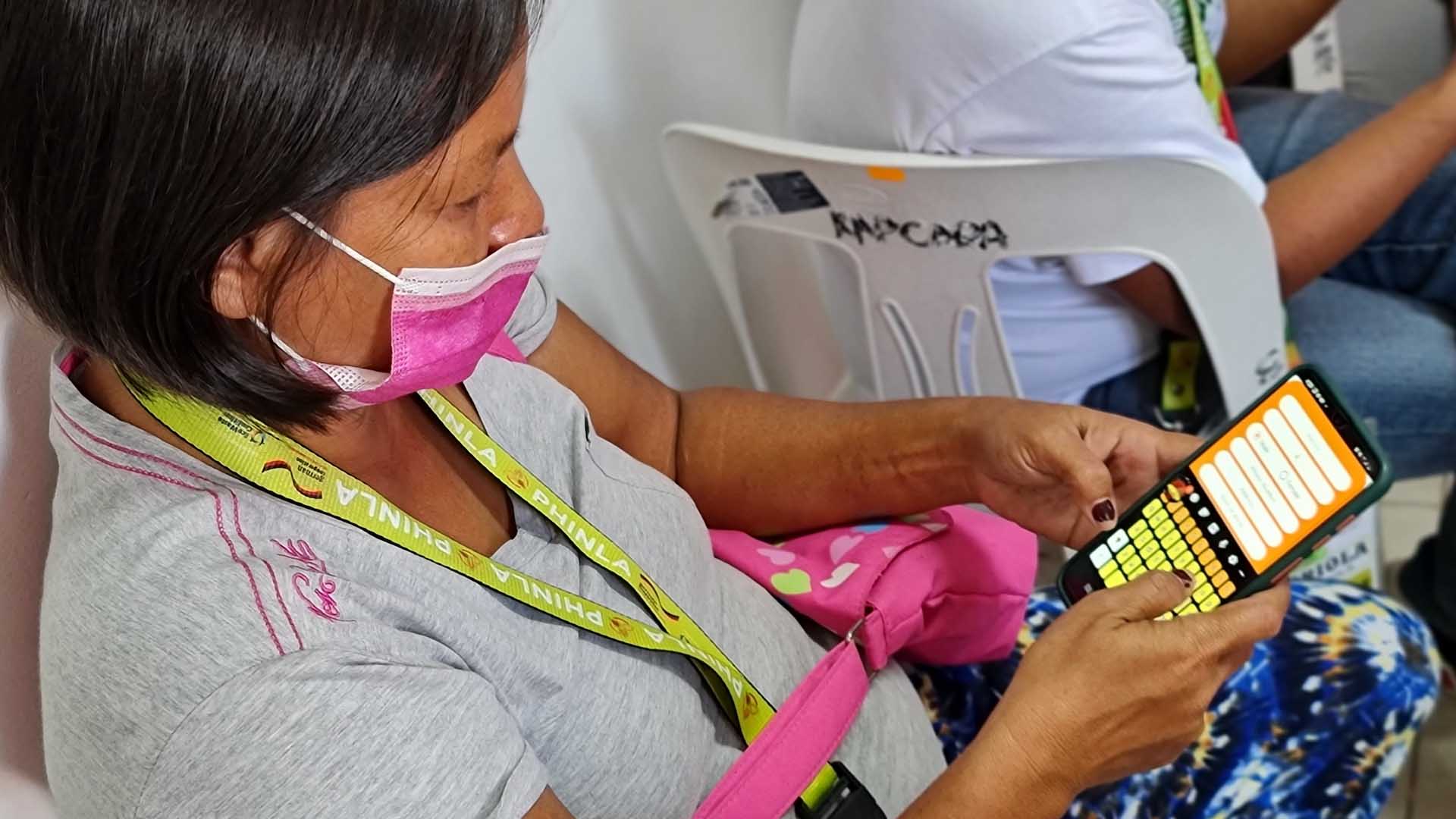
PHINLA team also introduced the BinBank mobile application, developed by World Vision to facilitate easier collection of materials than can be deposited to MRFs. Using the application, community members can request the nearest waste collector to pick up their recyclables in no time. Schedules can be arranged through the app. Deposited items and their monetary equivalent will also be recorded in the holder’s account. “The BinBank Application is aimed to improve the collection and transportation of the recyclables in our communities as well as increase the volume of waste collected, thus increase in the waste banks’ profit. Members can input the data electronically and monitor it in real-time at the comfort of their homes,” said PHINLA Program Coordinator Joben Asuncion.
Empowering waste collectors
Most of the forum participants admitted that waste collection is their only source of income and saving money has not been a priority—something that PHINLA seeks to change. More than equipping them with technical know-how, PHINLA also wants to develop the discipline of finding income opportunities in the resources available to them.
One of such opportunities is establishing a community-based savings group among waste collectors and barangay health workers. Michael Macabasag, World Vision Development Foundation Program Officer, shared how joining such group allowed him to recover from a financial crisis. “Ni singkong duling walang wala talaga kami noon,” Mike recalled. He even remembered asking a papaya from a neighbor just so his family can survive before his next expected salary. One time, he borrowed Php 50 from a friend but had a hard time paying it. “Naiiyak na ako noon. Hiyang hiya ako sa sarili ko, hiyang hiya ako sa asawa ko. Wala man lang akong singkwenta pesos.”
It could have disheartened Mike, but he looked at it as a motivation to look for other sources of income. Mike then joined World Vision’s Community Managed Savings and Credit Association (CoMSCA) and has since helped organize more than 200 CoMSCA groups in his hometown in Laurel, Batangas. Now, Mike pays it forward by helping PHINLA beneficiaries do the same. “Kaya nating baguhin ang kalagayan natin,” Mike shared.
Eduardo Ablazo, head barangay health worker of Barangay Bagong Silangan, Quezon City, was among those who was deeply moved by Mike’s personal story. “Nakita ko ang kahalagahan ng pag iipon. Dito ko rin narinig kung paano tulungan ang sarili kong umahon sa kahirapan para matulungan ko rin ang iba,” said Ablazo.
PHINLA is set to conduct more virtual training activities to continue empowering members of waste banks and waste collector associations and to assist the stakeholders in drafting procedures and regulations pertaining to the waste bank’s relations as well as dealings with the collectors and concerned recycling companies.
More than 70 waste collectors and members of BESWMC from Davao, Cagayan de Oro, and Quezon City participated in the event.
PHINLA stands for the Philippines, Indonesia, and Sri Lanka: the three countries implementing the Global Program to Develop Livelihood for Poverty-affected Population through a Multi-sectoral Established and Monitored Waste Management System. It is a partnership project of World Vision Development Foundation and EcoWaste Coalition.