









The Department of Migrant Workers (DMW) has reaffirmed its commitment to strengthening global labor protections for overseas Filipino workers (OFWs), particularly domestic workers.
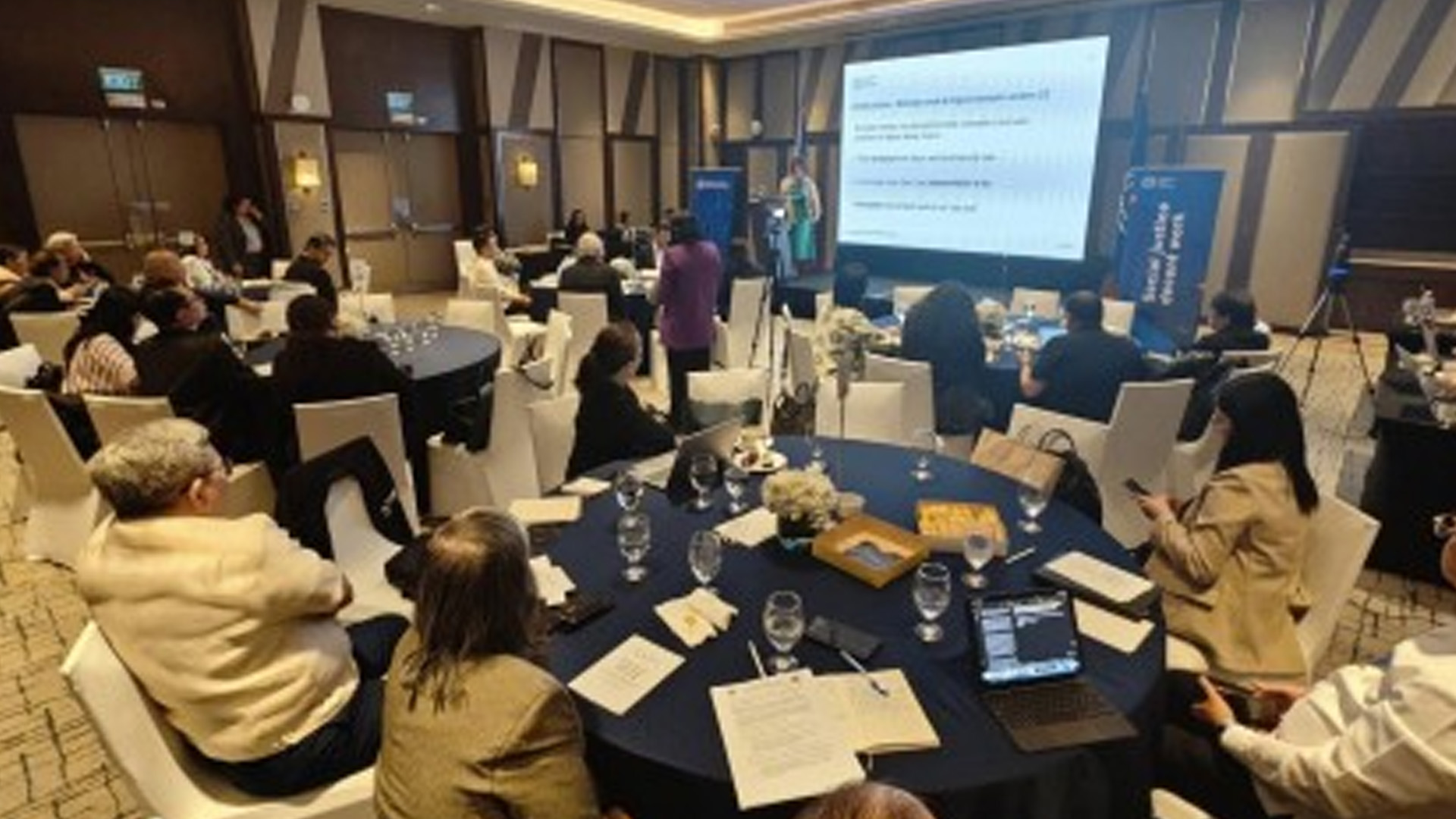
The DMW, in a news release Thursday, said the Philippine government has called for stronger global policies that would protect OFWs during the Forum on ILO (International Labour Organization) Conventions 189 and 190 held in Mandaluyong City on Wednesday.
It said the forum underscored the significant progress made by the country since the adoption of the ILO Conventions 189 and 190, and the government’s continuous efforts to ensure welfare and protection of Filipino migrant workers.
During the forum, Migrant Workers Secretary Hans Leo Cacdac highlighted the importance of social dialogue in shaping policies, as he cited President Ferdinand R. Marcos Jr.’s directive to deepen bilateral labor relations with host countries.
He underscored the Philippines’ ongoing talks with Japan, South Korea, Croatia, Austria, and Slovenia, which, he said, are part of a broader strategy to improve the welfare protection of OFWs.
“Under the leadership of President Marcos, we are continuously working to protect Filipino migrant workers. Our PHP2 billion AKSYON Fund, which supports legal, financial, and monetary assistance, has benefited 75 percent of female workers, particularly domestic workers,” Cacdac said.
He said the Philippines would continue to advocate for fair labor practices, expand bilateral agreements, and address emerging challenges faced by migrant workers, particularly domestic workers, in host countries.
He said the Philippines has so far secured 47 bilateral labor agreements, which is the highest in the world.
Cacdac also cited the 2013 labor pact with Saudi Arabia as a significant milestone in strengthening protections for domestic workers.
“The work does not stop. We have much more to accomplish,” he said.
Beyond labor agreements, Cacdac cited other challenges affecting OFWs such as the impact of climate change, skills development, and ethical recruitment.
Meanwhile, Cacdac said the Philippines is preparing for the 2026 Global Compact on Migration, with a focus on expanding diplomatic efforts and the development of new international labor policies that would enhance migrant workers’ protection. (PNA)


