









The country’s milk production grew by 11.4 percent in the second quarter of 2025, driven by herd expansion and government support programs, the National Dairy Authority (NDA) reported Thursday.
“The steady growth in both milk output and dairy herd shows that our current programs are bearing fruit. By expanding the herd and improving productivity at the farm level, we are creating more opportunities for our dairy farmers and increasing the availability of fresh, local milk for Filipino families,” NDA Administrator Marcus Antonius Andaya said in a press statement.
Data from the Philippine Statistics Authority showed milk output reached 18.16 million liters from April to June, higher than the 16.30 million liters recorded during the same period last year.
Of the total, 14.72 million liters came from areas assisted and monitored by the NDA, while 3.44 million liters were produced by other stakeholders.
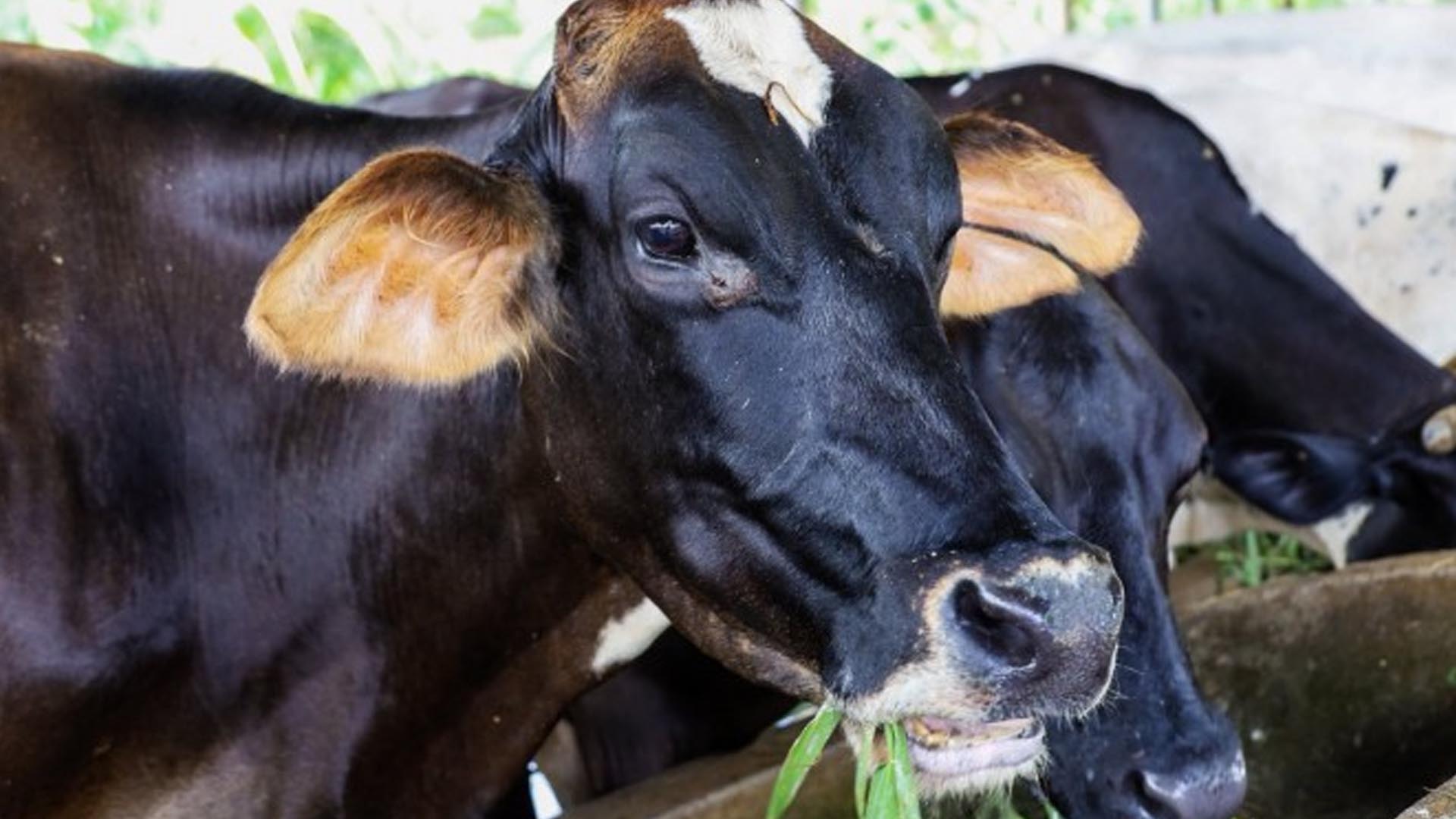
For the source of milk, dairy cattle remained the top milk producer at 60.4 percent, or equivalent to 10.98 million liters, followed by goats, with 2.14 million liters.
The Philippine Carabao Center, meanwhile, contributed 2.64 million liters, or 14.5 percent of national production.
Andaya said the sustained growth reflects the impact of the government’s herd expansion and farm-level productivity programs.
As of June, the country’s dairy herd population rose by 16.4 percent to 166,411 heads, up from 154,252 in June 2024.
This includes 37,369 dairy cattle, 89,907 carabaos, and 39,035 goats.
Andaya was optimistic that the government is on track to meet its milk production targets, especially with the implementation of its programs across 70 provinces and 463 municipalities.
Five stock farms have been established in General Tinio, Nueva Ecija; Ubay, Bohol; Prosperidad, Agusan del Sur; Malaybalay, Bukidnon; and Carmen, Cotabato, with three more in the pipeline.
“We are confident that these facilities will further accelerate the increase in both herd population and local milk output in the years ahead,” he said.
To date, the NDA’s herd build-up programs and partnerships cover 1,307 dairy entities, which support 2,355 assisted and monitored farmers nationwide. (PNA)


