



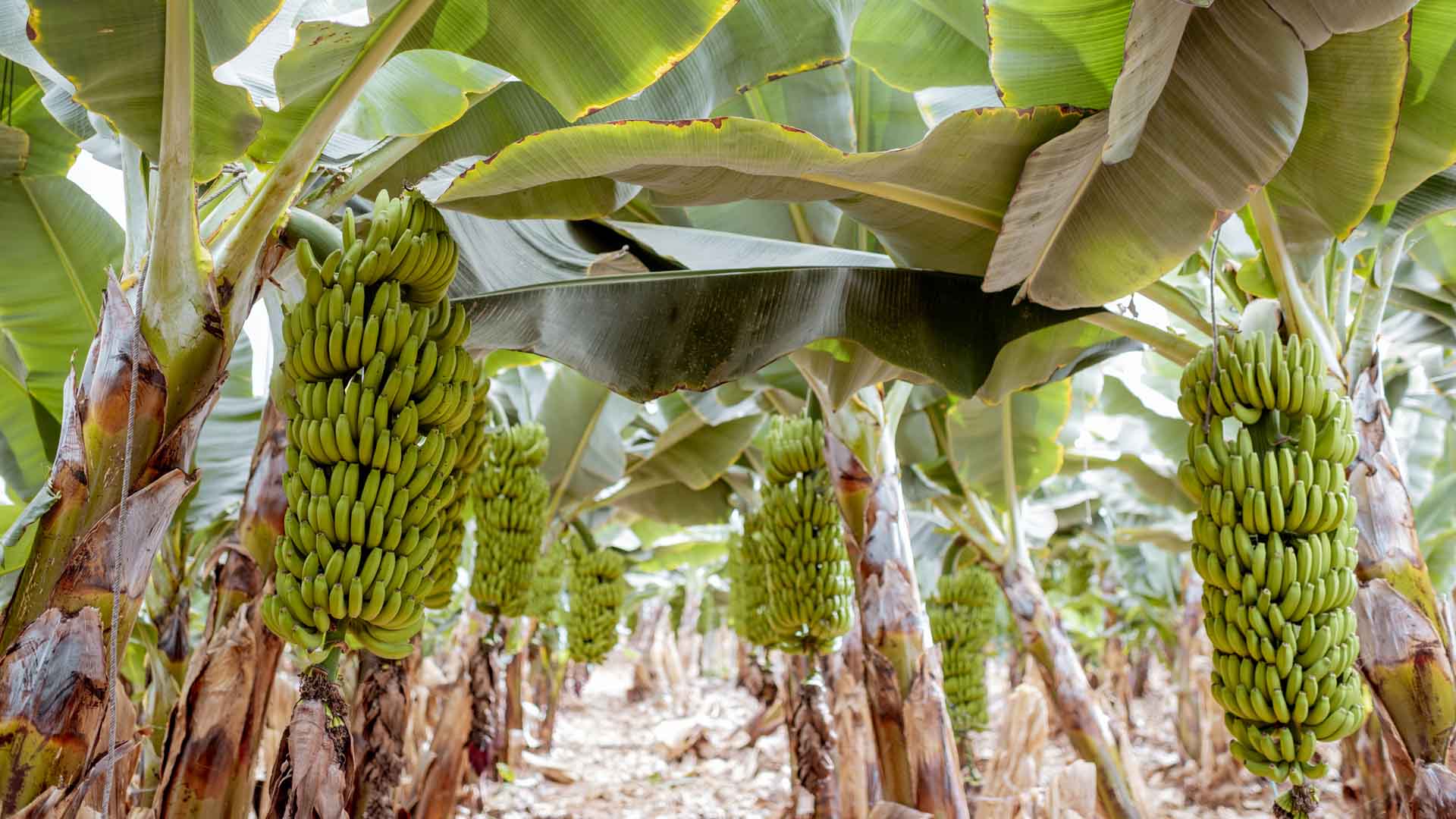







The Department of Trade and Industry (DTI) is optimistic that the Philippines-South Korea free trade agreement (FTA) will save the country’s banana exports to South Korea, which is currently losing its market to Vietnam and other Latin American countries.
In an interview with Bagong Pilipinas Ngayon Tuesday, DTI Undersecretary Allan Gepty said the market share of fresh bananas in South Korea dropped to 65 percent in 2023 from a high of 98 percent in 2013.
Gepty said the increasing market competition and the FTAs of South Korea with other banana exporting countries such as Vietnam, Ecuador, Colombia, and Peru are becoming a disadvantage to the Philippines.
This year, fresh banana from Vietnam enters South Korean market tariff-free because of their bilateral FTA, while Philippine banana products are slapped with 30 percent duty.
Gepty said that with the Senate’s concurrence of the FTA between Manila and Seoul, Philippine banana exports will gradually become zero-tariff when entering South Korean borders, five years after the trade pact enters into force.
“To our stakeholders, take advantage of these various free trade agreements that we have negotiated and concluded,” he said.
“Because right now, the market is not just confined here in the Philippines, it’s the rest of the world. These FTAs are [a] platform for you to conduct business in a stable and predictable business environment,” said Gepty, who is the country’s top negotiator for trade deals.
President Ferdinand R. Marcos Jr. and Korean President Yoon Suk Yeol on Monday reaffirmed the two countries’ commitment to implement the free trade deal.
Manila and Seoul signed the bilateral FTA on Sept. 7, 2023, four years after the trade negotiations were initiated in June 2019.
This made the Philippines-South Korea FTA the country’s third bilateral trade pact aside from Japan and the European Free Trade Association.
On Sept. 23, 2024, the Senate concurred with the trade pact.
The Korean government, on the other hand, has yet to ratify the deal.
“The ratification bill submitted to the National Assembly at the end of last year was scrapped as the 21st National Assembly came to an end,” Seoul’s Ministry of Trade, Industry, and Energy through Korean Culture and Information Service told the Philippine News Agency in a message Tuesday.
“The ratification bill was submitted to the Foreign Affairs and Unification Committee in August, with the Ministry of Foreign Affairs being the submitting entity,” the Korean government added.
Unlike trading under most-favored-nation (MFN) treatment, or the normal trade relations of countries with no special tariff advantages, FTAs provide better market access among FTA parties through lowered or scrapping of trade duties. (PNA)


