



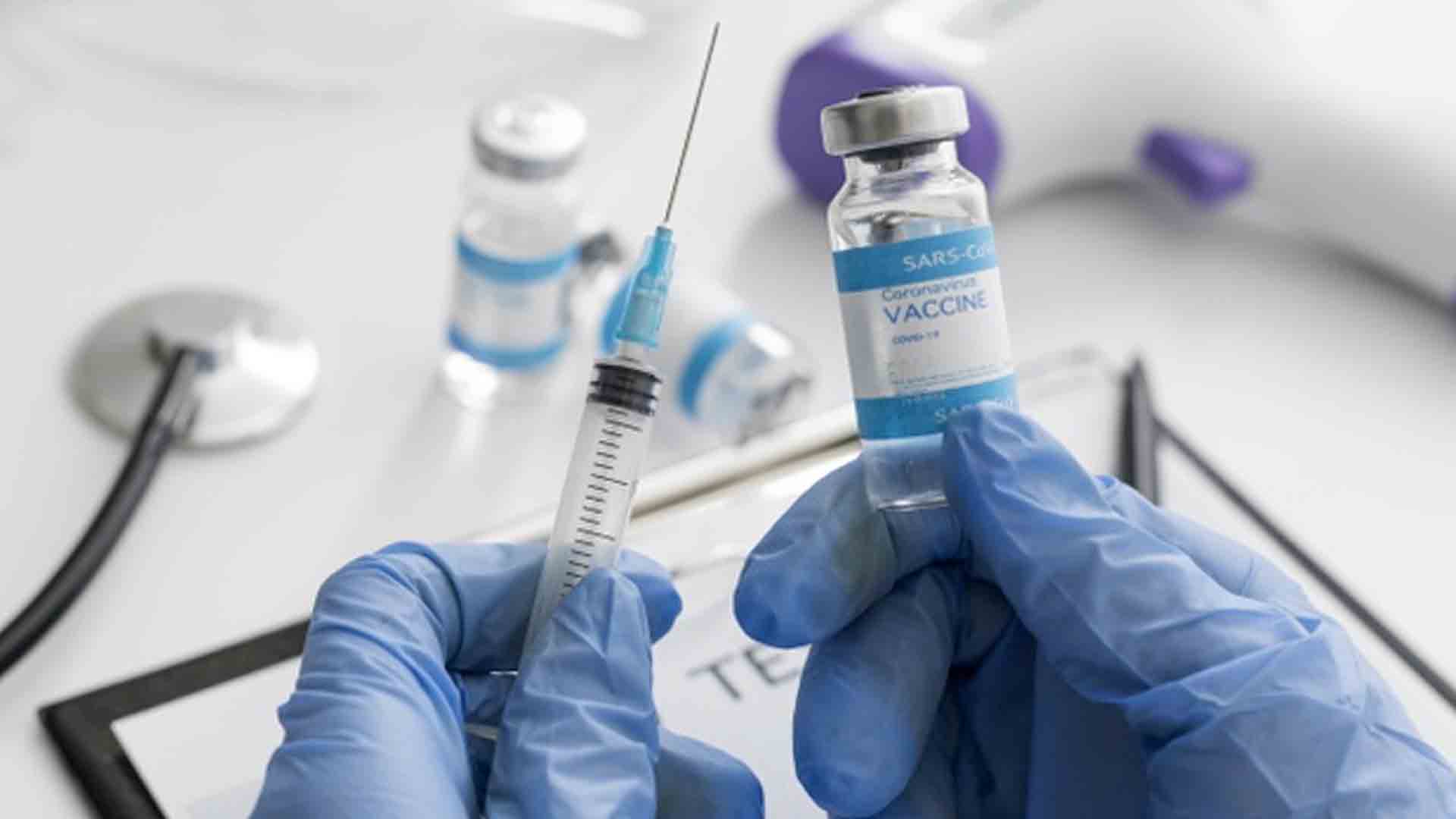






Presidential Spokesperson Harry Roque on Thursday said the Philippines will be getting its supply of coronavirus disease 2019 (Covid-19) vaccine starting next year from three manufacturers — Sinovac Biotech, Oxford-AstraZeneca, and Pfizer-BioNTech.
Roque said the earliest possible inoculation program in the country is expected to use China’s Sinovac vaccine, while Pfizer-BioNTech’s shots will come in the second or third quarter of 2021.
“The target remains that Sinovac will be the first that we can use to vaccinate our people and it will be in the first quarter of next year,” he said in a virtual Palace briefing.
Despite previous bribery allegations against Sinovac, Roque said Malacañang is confident Filipino officials will not get involved in a similar controversy concerning the eventual entry of coronavirus vaccines.
He said the country remains consistent that only “safe” and “effective” vaccines could secure approval from the Food and Drug Administration (FDA).
“Buong-buo po ang tiwala ni Presidente kay (FDA director general) Dr. (Eric) Domingo, so pagdating po diyan sa mga allegations, allegations on bribery, tingin ko po ay hindi mangyayari iyan sa Pilipinas (The President has full trust in Dr. Domingo, so I think those allegations on bribery won’t occur in the Philippines),” he said.
For the Oxford-AstraZeneca Covid-19 jabs, the country has secured some 2.6 million doses via a tripartite agreement with the private sector and the British-Swedish pharmaceutical company last month.
“(For Pfizer’s vaccine) we are also sure because the agreement with Pfizer was brokered by the DFA, no less than (Foreign Affairs) Secretary (Teodoro) Locsin (Jr.) and (US) Secretary (of State Mike) Pompeo. But Pfizer will come in the second and the third quarter,” Roque said.
As wealthier nations secure enough doses to vaccinate their entire population, Roque recognized that supply could potentially become an issue, especially for developing countries.
“Pero mayroon naman tayong mga pamamaraan. At hindi naman po katanggap-tanggap kay Presidente na hindi tayo magkakabakuna dahil siya nga iyong parang kauna-unahang lider sa buong daigdig na sinasabing nandiyan na ang bakuna at matatapos na itong pandemyang ito (But we have our ways. The President will not allow the Philippines to miss out since he himself assured that vaccine is coming),” he said,
In terms of financing, Roque said the PHP72.5 billion appropriated for Covid-19 vaccines would be enough to purchase necessary doses.
The government is aiming to inoculate 60 to 70 million Filipinos within three to five years.
Roque added that Manila could easily tap both the Asian Development Bank and the World Bank’s loan facilities for vaccine.
“EU will also have a lending facility, iyan nga po iyong tinatawag nating mga (that’s what we call) bilateral agreements with the lending institutions from the countries that manufacture the vaccines,” he said. (PNA)


