







The City of San Carlos in northern Negros Occidental has launched a food mapping activity to document traditional food signatures, equipment, and methods in local cuisine.
Led by the San Carlos City Tourism Office, the initiative is being conducted in every barangay from March 28 to April 2, also as part of the observance of Filipino Food Month in April.
Food mapping focal person Shane Gabriel Cristuta said on Thursday the local dishes and traditional cooking methods are slowly fading from local menus with the increase in demand for popular foreign cuisines and the use of modern cooking appliances.
“Through this activity, we aim to address the slow food problem,” she said.
Slow food is “food that is produced or prepared in accordance with local culinary traditions, typically using high-quality locally sourced ingredients”.
As the city seeks to preserve traditional food and its customary methods, Cristuta said village officials should help local cooks promote their dishes to push the “support local” advocacy.
Aside from its viable tourist spots, the city’s food tourism is also what makes it appealing, she said, adding that food tourism plays a big part in growing local industries and increasing the income of farmers and fisherfolk who supply the ingredients.
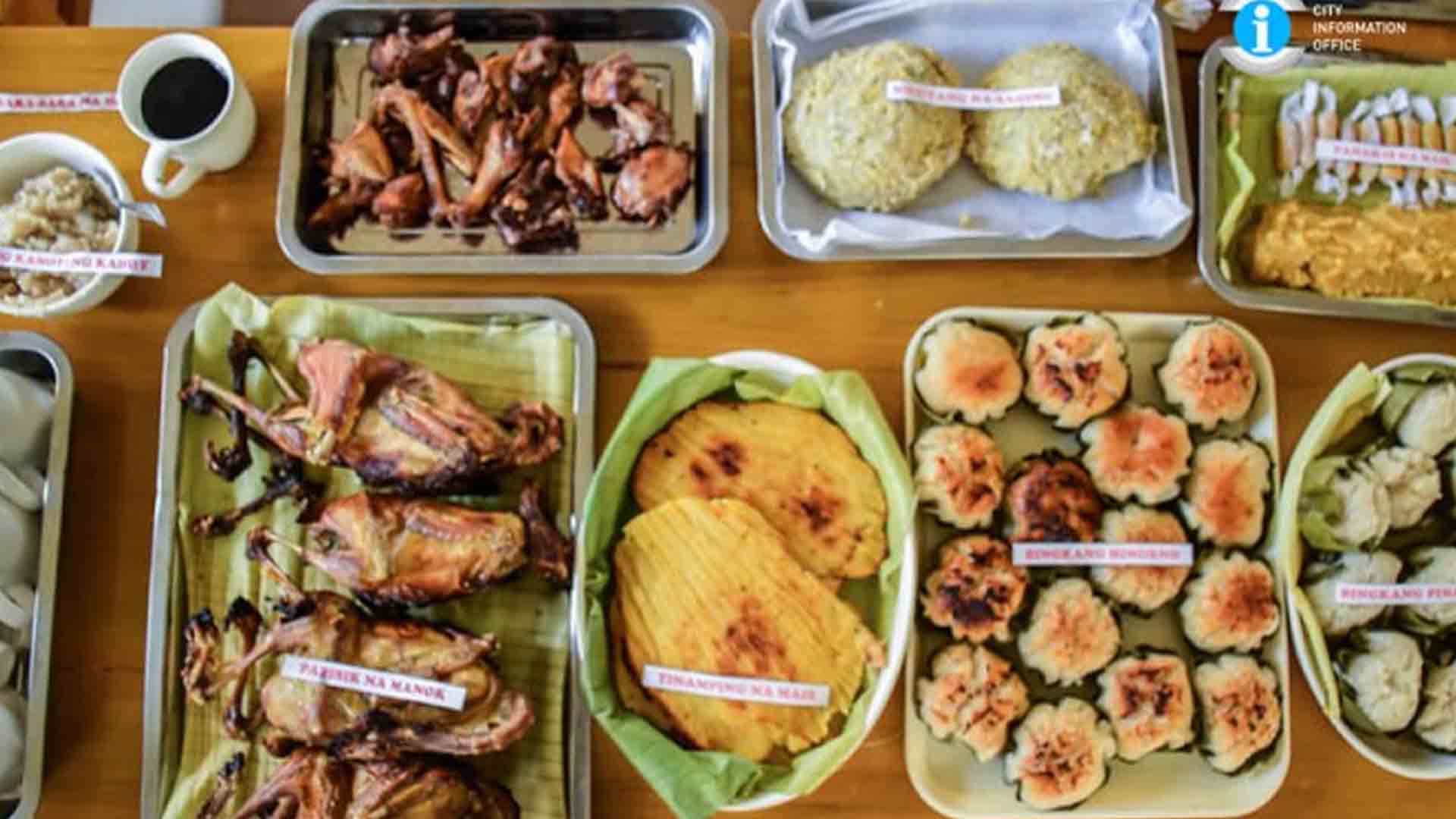
Some traditional dishes and delicacies of San Carlos City presented during the food mapping were “pinaisan nga manok”, “papisik nga manok”, “lumpia de betswelas”, and “sara-sara nga mais” (corn coffee).
Also included are various types of “bibingka” (rice cake) along with other native delicacies such as “palitaw”, “baye-baye”, “panam-is nga mais”, and “lubid-lubid”.
Among the traditional cooking equipment used for preparation were wood peels, “tirungan” (bamboo poles for roasting), “kolon” (stone pot) and “galingan nga bato” (stone grinder).
A local who uses the stone grinder is Saveliana Lantaco of Barangay Codcod, who grinds rice and corn kernels using the more than 60-year-old equipment.
Jose Allan Pajotening, also from Barangay Codcod, said he cooks “pinaisan nga manok” using his family’s heirloom recipe that dates back to the 1930s.
Known for having “natural resources (which) includes an island with two barangays, protected seascapes, protected natural parks, numerous caves, waterfalls and beautiful landscapes,” San Carlos City has received twice the Association of Southeast Asian Nations “Clean Tourist City” award since 2018 and has also been recognized as one of the world’s Top 100 Sustainable Destinations in 2018. (PNA)


