



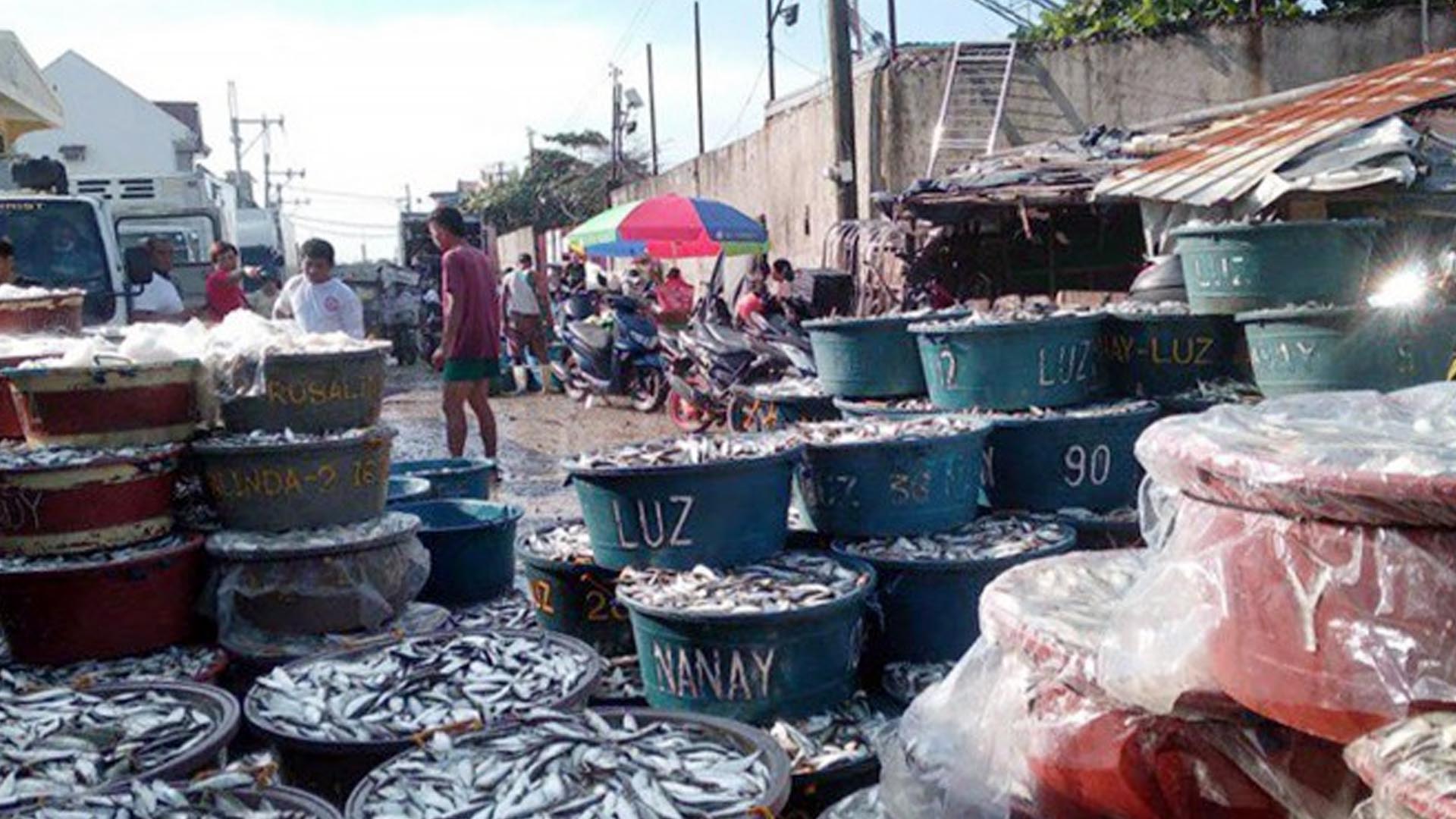






The National Fisheries Research and Development Institute (NFRDI) has launched a pioneering research initiative to breed Bali sardinella (Sardinella lemuru), locally known as tamban, in captivity.
In a news release on Friday, the NFRDI noted that this initiative was a first in Philippine fisheries research.
Tamban is one of the most widely consumed and affordable fish in the country. In 2023, sardines ranked second among capture fishery commodities, contributing 314,147.30 metric tons or 16.7 percent of total output, valued at PHP13.81 billion, according to the Philippine Statistics Authority.
From 2018 to 2022, tamban consistently led small pelagic fish production, peaking at more than 339,000 metric tons in 2020. Despite its economic importance, tamban aquaculture has not been developed.
“A documented breeding technology specific to tamban has never been attempted before,” Department of Agriculture – NFRDI officer in charge Maria Theresa Mutia and project leader said.
“But with growing pressure on wild stocks and the risk of supply instability, there is a need to find alternative solutions,” she added.
The Tamban Hatchery Program, a seven-year research effort running from 2024 to 2030, aims to develop tamban breeding and culture technologies for aquaculture. It is being implemented in partnership with the Southeast Asian Fisheries Development Center–Aquaculture Department (SEAFDEC/AQD) and DA-BFAR 9 (Zamboanga Peninsula).
The program is divided into three phases: biological studies and domestication (2024–2025), broodstock development and breeding trials (2026–2028), and grow-out culture (2029–2030).
Initial efforts under Phase 1 have shown promising results. NFRDI and SEAFDEC/AQD have successfully developed protocols for live transport and domestication. A survival benchmark of 378 days in captivity has been recorded.
Currently, 232 tamban are being maintained at the NFRDI’s Freshwater Fisheries Research and Development Center in Taal, Batangas, and SEAFDEC/AQD’s hatchery facility in Tigbauan, Iloilo.
Preliminary biological studies found that tamban feed primarily on copepods, along with phytoplankton and zooplankton – data that will support future feed development.
Mutia said the program’s science-based, phased approach aims to ensure long-term success and contribute to food security.
This initiative could significantly improve the sustainability of tamban production and help stabilize the country’s sardine supply, she added. (PNA)


