









A health official on Tuesday said the National Capital Region (NCR) would be placed under Alert Level 4 at the start of the pilot run of granular lockdowns on Sept. 16, citing the continued high number of coronavirus disease 2019 (Covid-19) cases in the region.
In a televised briefing, Health Undersecretary Maria Rosario Vergeire noted that 28 percent of new Covid-19 cases nationwide that were logged in September are from the NCR.
For the period of Sept. 6 to 12, the average daily reported cases are 20,959 — an increase of 2,675 from the previous week of Aug. 30 to Sept. 5 with 18,284 cases.
“NCR is currently at high-risk case classification as it maintains a moderate risk two-week growth rate and high risk average daily attack rate (ADAR). The ADAR increased from 30.44 in the previous weeks to 39.09 per 100,000 population in the recent week,” Vergeire said.
In addition, NCR has a high-risk intensive care utilization rate at 77.5 percent and its bed utilization is near high-risk classification at 69.5 percent.
Alert Level 4 is the second highest alert level under the new framework, which indicates high and increasing case counts with total Covid-19 bed and intensive care beds at increasing utilization rates.

Vergeire explained that an alert level is not equal to the existing community quarantine classifications set by the government.
She added that while community quarantine classifications focus on escalating healthcare utilization rate, alert levels look into both case data and Covid-19 beds utilization to classify areas and are “action-focused”.
It can also be a basis for establishing a feedback loop to ensure that actions are done to address any worsening of the Covid-19 situation in the area.
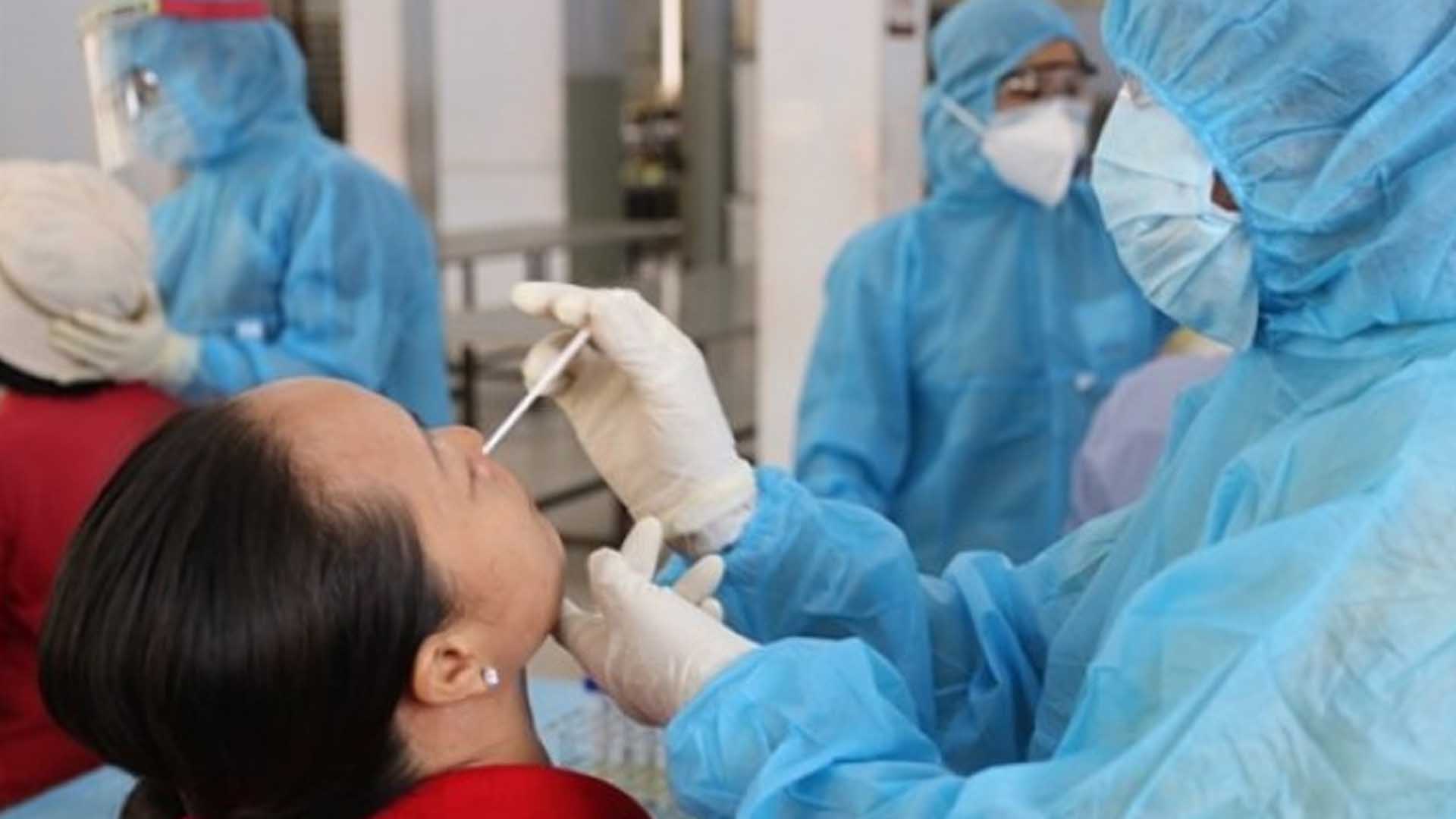
Under Alert Level 4, Vergeire added, all concerned agencies must ramp-up active case finding, conduct risk-based testing using RT-PCR (reverse transcription-polymerase chain reaction) test, and fast-track vaccination among high-risk groups.
“There will also be intensified granular lockdowns from barangay down to the household level to contain transmission,” she said.
The public is also urged to to continuously observe the minimum public health standards and consciously avoid crowded places, closed-contact settings where physical distancing may not be observed and people have face-to-face interaction, and closed spaces with poor ventilation which pose higher risk of Covid-19 transmission. (PNA)


