



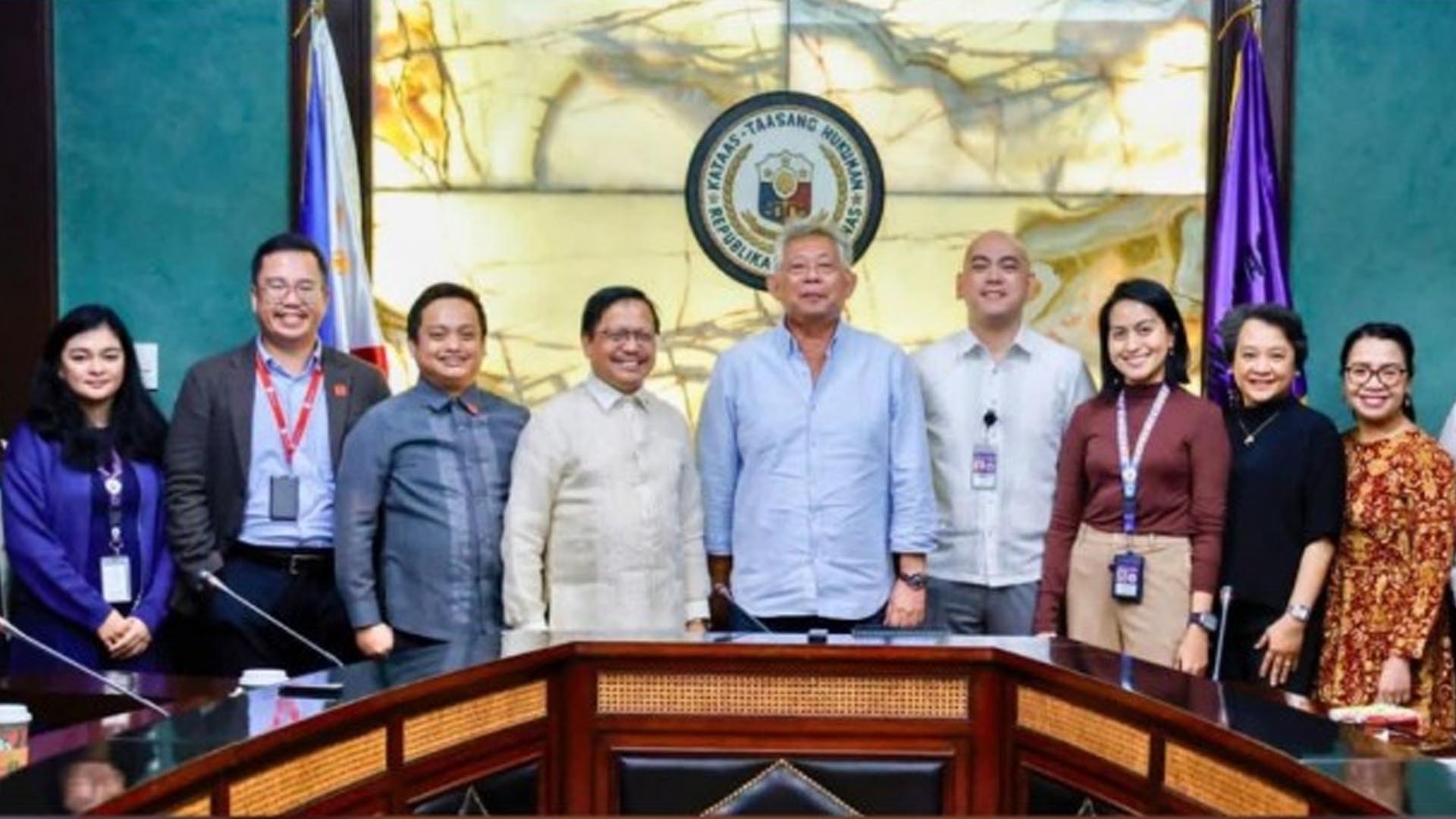






The National Anti-Poverty Commission (NAPC) is working with the Supreme Court’s Unified Legal Aid Service (ULAS) to widen access to pro bono or free legal services for the country’s poorest and most vulnerable communities.
NAPC Secretary Lope Santos III met with ULAS Interim Board chairperson Associate Justice Alfredo Benjamin Caguioa on Thursday to discuss ways both institutions can jointly respond to the growing need for free legal support among the 14 basic sectors represented by NAPC.
Santos, accompanied by NAPC Policy and Institutional Consultant Andre Niccolo Tayag, underscored that many marginalized groups continue to face legal challenges yet lack the resources to secure legal representation.
These include land and labor issues to documentation and access to justice.
Caguioa expressed strong support for a partnership, noting that ULAS was designed precisely to reach those who cannot afford legal assistance.
“Ang buong philosophy ng ULAS ay para sa mahihirap (The entire philosophy of ULAS is for the poor),” he said.
The ULAS Initiative, whose rules took effect in February 2025, aims to close the gap between the high demand for free legal aid and the limited availability of lawyers offering pro bono support.
The framework was developed by a Supreme Court technical working group led by Caguioa.
Both parties also discussed formalizing the collaboration through a memorandum of understanding targeted for 2026.
The agreement is expected to define institutional roles, including NAPC’s task of identifying qualified indigent beneficiaries who would receive pro bono representation. (PNA)


