



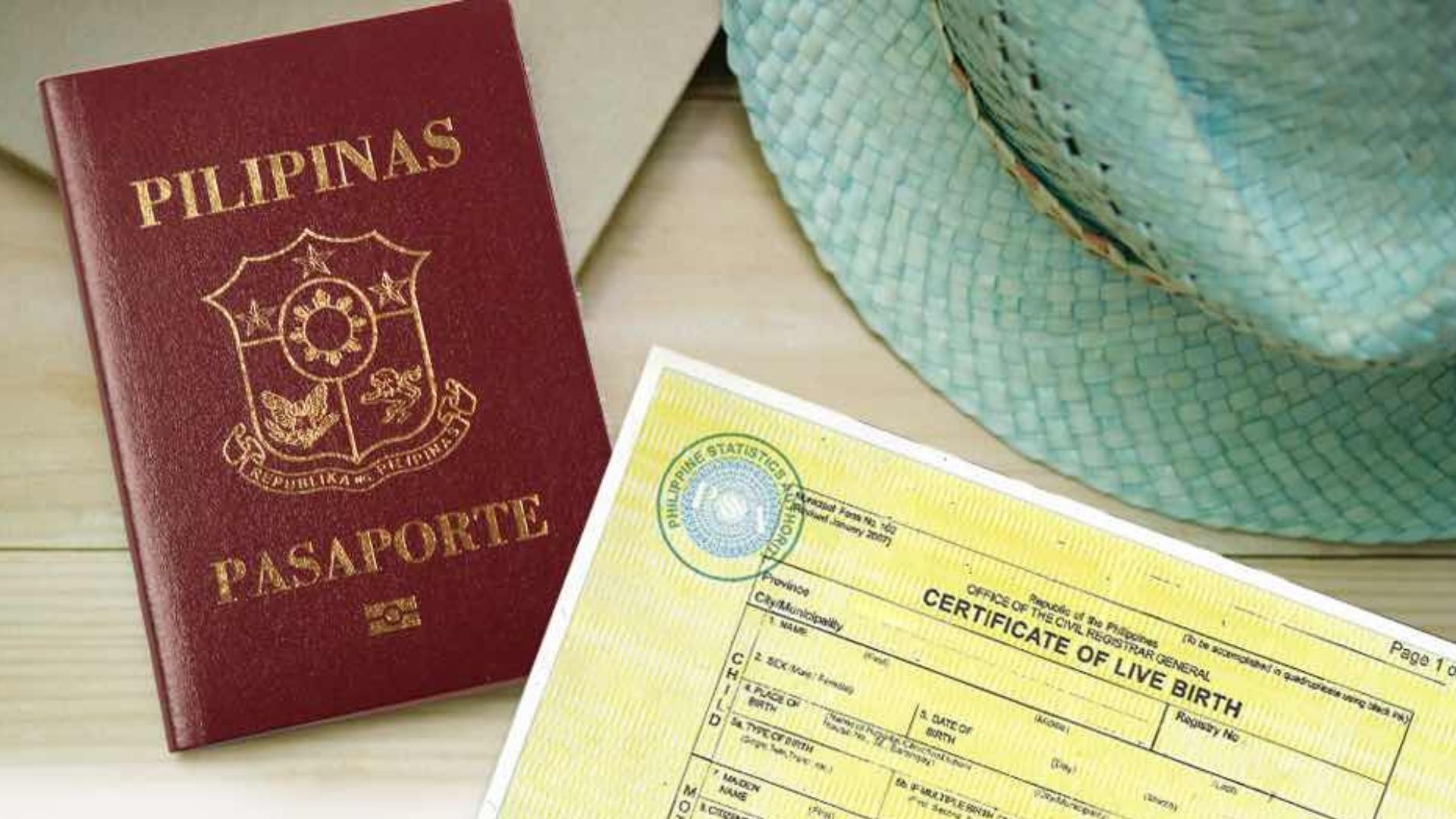







For many Filipino women, a name is more than just an identifier – it carries history, identity, and personal significance. With the recent implementation of the New Philippine Passport Act (Republic Act No. 11983), married women in the country now have the option to revert to their maiden names when renewing their passports.
This marks a significant shift in the recognition of women’s autonomy over either personal identification, breaking away from long-standing bureaucratic constraints.
Traditionally, Filipino women who adopted their husband’s surname upon marriage faced challenges when seeking to reclaim their maiden name, even in cases of separation or personal preference. The process was often limited to instances of annulment, legal separation, or the spouse’s passing.
With this new provision, the Department of Foreign Affairs (DFA) now allows married women to voluntarily revert to their maiden name without the need for a court order or dissolution of marriage.
This reform reflects a broader cultural and legal recognition of women’s right to choose how they present themselves in official documents. It also aligns with evolving global practices that emphasize personal choice over marital status in identity records.
Who Can Apply?
Under the DFA’s new guidelines, women who wish to revert to their maiden names have two primary pathways: voluntary reversion or reversion due to a change in marital status.
1. Voluntary Reversion (for married women choosing to reclaim their maiden name):
- Original and photocopy of a Philippine Statistics Authority (PSA)-issued Certificate of Live Birth.
- Original and photocopy of a PSA-issue Certificate of Marriage.
- A notarized Affidavit of Explanation stating the request for reversion.
- Most recently issued Philippine passport.
- A valid government-issued ID reflecting the maiden name.
2. Reversion Due to Change in Marital Status (for annulled, legally separated, divorced, or widowed women):
- Original and photocopy of relevant PSA-issued documents, such as Certificate of Death or annotated Certificate of Marriage
- Original and Photocopy of a PSA-issued Certificate of Live Birth
- Most recently issued Philippine passport.
Applicants are encouraged to use the DFA’s official affidavit template to ensure compliance with the requirements. This change streamlines the process, making it more accessible to those who wish to reclaim their pre-marriage identity.
While this new policy offers greater flexibility, the DFA clarifies that the reversion to a maiden is a one-time decision. Once a woman exercises this option, all subsequent government-issued IDs and legal documents must reflect the maiden name to maintain consistency. This ensures a seamless transition across various official records.
Empowering Women’s Identity
This policy shift is more than just a bureaucratic update – it represents a progressive step toward acknowledging women’s autonomy over their identity. It eliminates the notion that a woman’s legal name must be tied to her marital status, offering her the freedom to decide how she wishes to be represented in official documents.
For women who long wanted to reclaim their maiden names but were previously hindered by restrictive policies, this reform is a welcome change. Whether it’s for personal, professional, or emotional reasons, the ability to choose one’s name freely is an empowering move forward.


