








How Simpol Became Part Of The Filipino Table

Simpol evolves from simple recipes into shared family traditions, showing how food becomes part of everyday Filipino life and memory through meaningful, accessible cooking guidance.

Accelerating The Net Zero Journey: Nestlé PH Brings Together Industry Partners To Share Best Practices In Sustainability

Nestlé Philippines brings industry partners together to advance sustainability, highlighting how collaboration strengthens the path toward net zero emissions.

Vivant Diversifies Portfolio With Launch Of Water Distribution Venture In Bantayan, Cebu

Vivant expands beyond energy with a strategic move into water distribution, strengthening its role in essential services and long-term sustainability in Bantayan, Cebu.

Sustainability As Reputation Infrastructure

Regulations in the Philippines now mandate structured sustainability disclosures, reinforcing the shift from voluntary initiatives to audited institutional requirements.

More Than 25K OFWs To Benefit From South Korea Minimum Wage Hike

The adjustment aims to balance worker welfare and business needs in South Korea.

More Than 25K OFWs To Benefit From South Korea Minimum Wage Hike

1944
1944

How do you feel about this story?

Like
Love
Haha
Wow
Sad
Angry

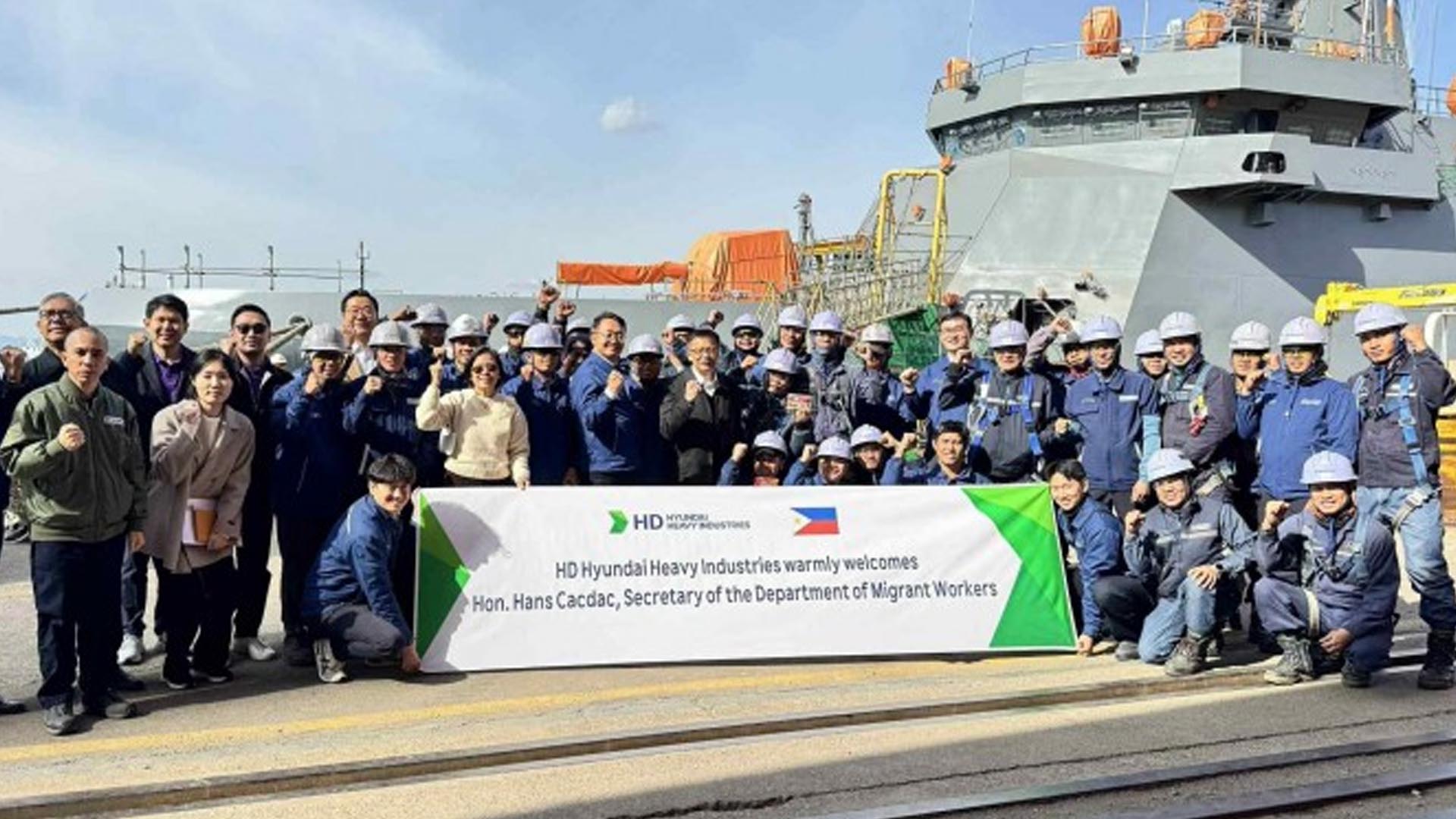
Overseas Filipino Workers (OFWs) in South Korea will get a higher pay this year after the host nation’s Minimum Wage Commission adopted a 2.9 percent wage hike starting Jan. 1.

In a news release on Friday, the Department of Migrant Workers (DMW) said the wage adjustment would benefit the 25,606 Filipino Employment Permit System (EPS) workers who earn minimum wage in the East Asian nation.

“Pursuant to Ministry of Employment and Labor (MOEL) Notice No. 2025-47, the Republic of Korea has increased its minimum hourly wage from KRW (Korean Won) 10,030 to KRW 10,320,” the agency’s Advisory No. 5 read.

The DMW said the hike is equivalent to an average monthly wage of 2,156,880 Korean won, or about PHP86,000, based on a standard monthly workload of 209 hours.

It added that the wage hike covers all industries, including Filipino workers in the manufacturing and caregiving sectors, ensuring equal treatment with local employees.

South Korea reviews its minimum wage annually based on factors such as cost of living, wage levels, labor productivity, income distribution, and industry type, aligning the needs of workers and the business sector. (PNA)

