



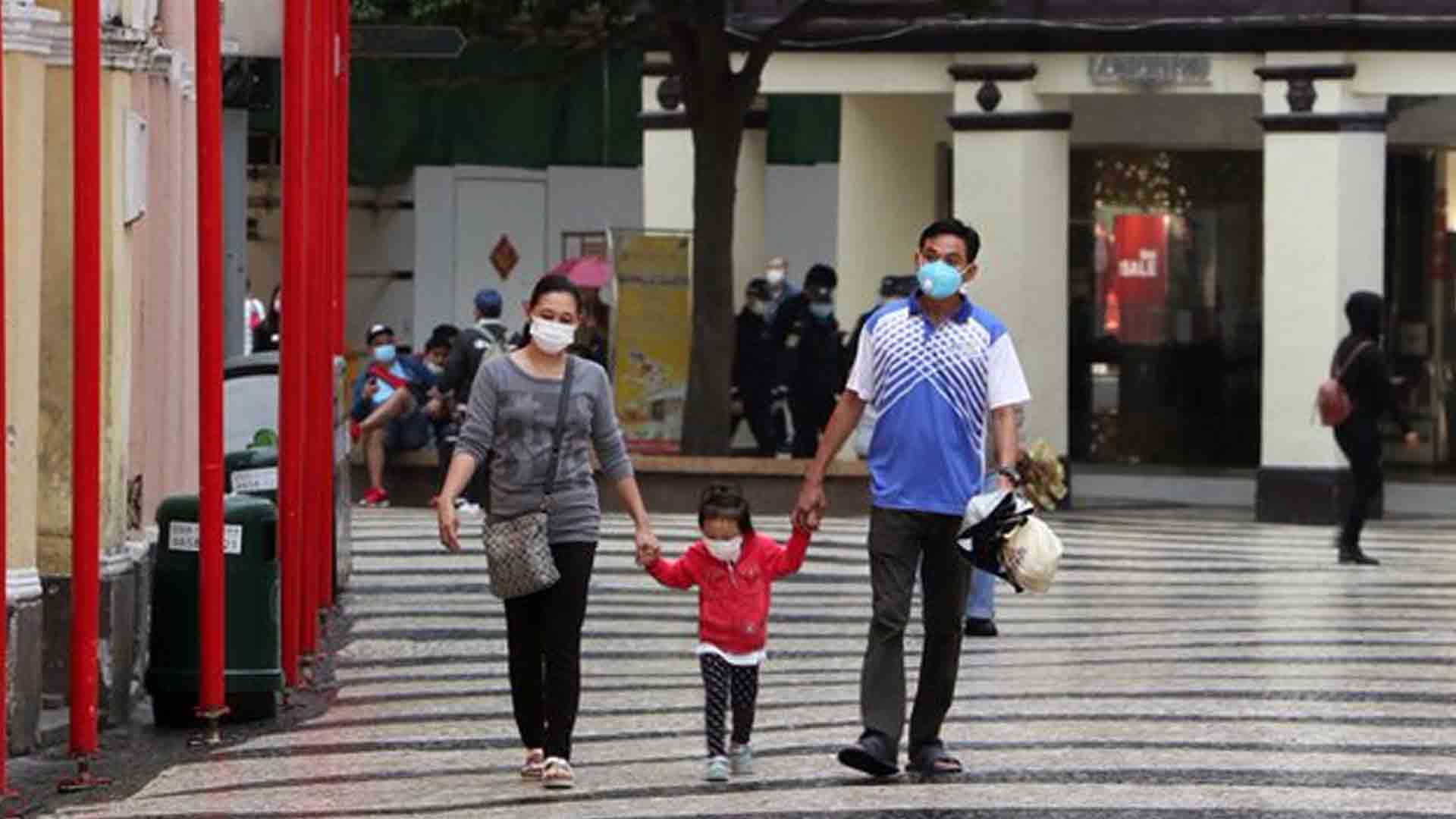






The Commission on Population and Development (PopCom) has recorded an increase in the number of couples using modern family planning (FP) last year amid the coronavirus disease 2019 (Covid-19) pandemic.
A total of 8,085,000 men and women obtained modern family planning services in 2020, marking a rise of nearly 4 percent in family planning users in the country, PopCom chief, Dr. Juan Antonio A. Perez III, said in a recent virtual forum shared on PopCom’s social media account on Monday.
The Responsible Parenthood and Reproductive Health (RPRH) Law report in 2019 showed that modern contraceptive prevalence rate for all women was about 7.8 million.
Perez also cited that the health crisis has affected the fertility choices of women.
“The commission, along with its partners, like different UN (United Nations) agencies, and the government, will be implementing key strategies that will strengthen policies and programs related to the SRHR (sexual and reproductive health rights) of women and girls all over the country,” he said.
“Our proposal is for national government (Popcom or the Department of Health) to continue procurement of FP commodities and support the supply chain to all LGUs (local government units) as a retained function of national government agencies like Popcom, including coordination and provision of technical assistance to LGUs.”
Perez noted that Popcom and the DOH would also continue to provide itinerant teams for the provision of permanent methods, such as bilateral tubal ligation and no scalpel vasectomy.
In March, or one year into the global health crisis, the United Nations Population Fund (UNFPA) released a study that showed that an estimated 12 million women worldwide experienced disruptions in their family planning services, leading to 1.4 million unintended pregnancies.
The data, which included observations, found that access to family planning was disrupted by such factors as travel restrictions, interrupted supply chains, and overwhelmed health facilities.
The UNFPA’s projections looked at contraceptive service disruptions in 115 lower- and middle-income countries.
Disruptions were mostly in April and May 2020 at an average of three-and-a-half months. (PNA)


