



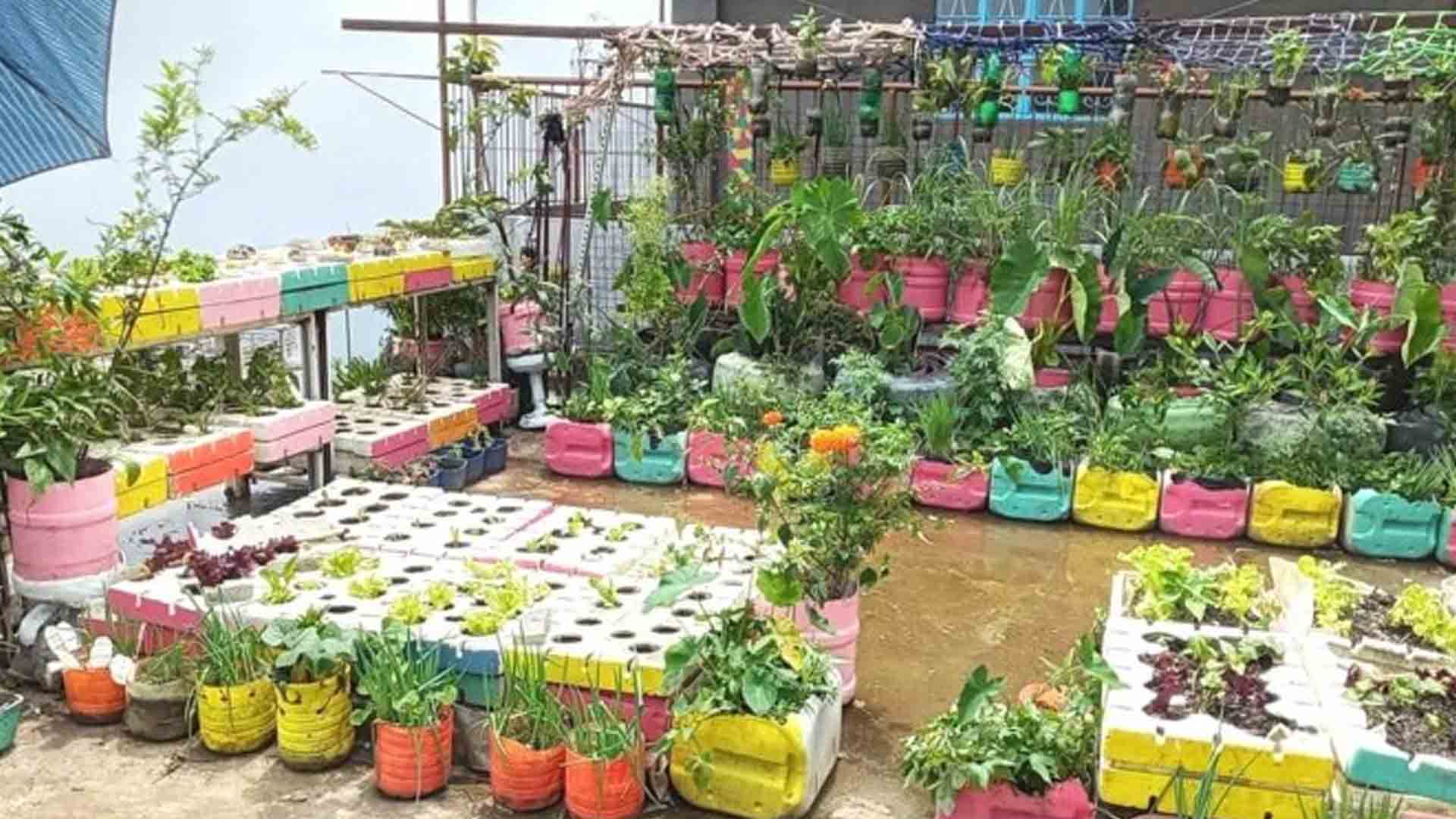







The City Veterinary and Agriculture Office (CVAO) here said more residents are engaging in rooftop and backyard food production, which is seen to help boost the country’s food sustainability.
CVAO head Dr. Silardo Bested said in a report to the city government on Thursday that there are now 94 “Gulayan sa Paaralan” (school vegetable gardens) from the 40 initially targeted to be established, while there are 1,757 home gardens.
He said seedlings distribution reached 6,121, exceeding the target of 4,000.
“The remarkable outcomes in the implementation of agriculture interventions that demonstrated significant dedication in exceeding targets across various initiatives improve the current state of agriculture in the urban center,” he said.
Aside from vegetables, Bested said they were able to disperse 1,166 chickens and 30 bee colonies in addition to the distribution of 10,550 fish fingerlings for in-land aquaculture.
He said there are residents who have maintained container fish pen or backyard fishponds for both personal consumption and for sale to neighbors.
“We give out free agriculture products so that we can encourage the residents to grow food whether vegetables, fish or animals on their small spaces and pots. This will ensure available food supply for the family’s consumption or income for the extra production that they sell to friends or neighbors,” he said in a phone interview on Thursday.
Bested said they also intervene in terms of marketing by conducting farmers’ market days and Kadiwa activities.
The city’s Kadiwa trucks are utilized to help in the transport of goods from farms to markets, and buying agricultural inputs from markets to farms, thereby increasing profitability.
Bested further said they continue to improve agricultural infrastructure such as irrigation systems, production facilities, farm to market roads, and seedling nurseries to increase farming efficiency and reduce post-harvest losses.
He said “the initiatives underscore a strong commitment to sustainability, food security, and empowering local communities with knowledge and resources for long-term impact.”
Meanwhile, the local government continues to provide programs and opportunities that nurture the talents and potentials of young people and lure them into agriculture.
Bested said the 4H (head, hands, heart, health) program in collaboration with the Department of Education (DepEd) and Agricultural Training Institute (ATI) provides a learning platform to public school students on practical and hands-on gardening technologies, peer to peer learning, and leadership development.
The city government has also sent young farmers to an internship program in Taiwan, allowing them to see the big potentials of the foreign country’s agriculture industry. (PNA)


