



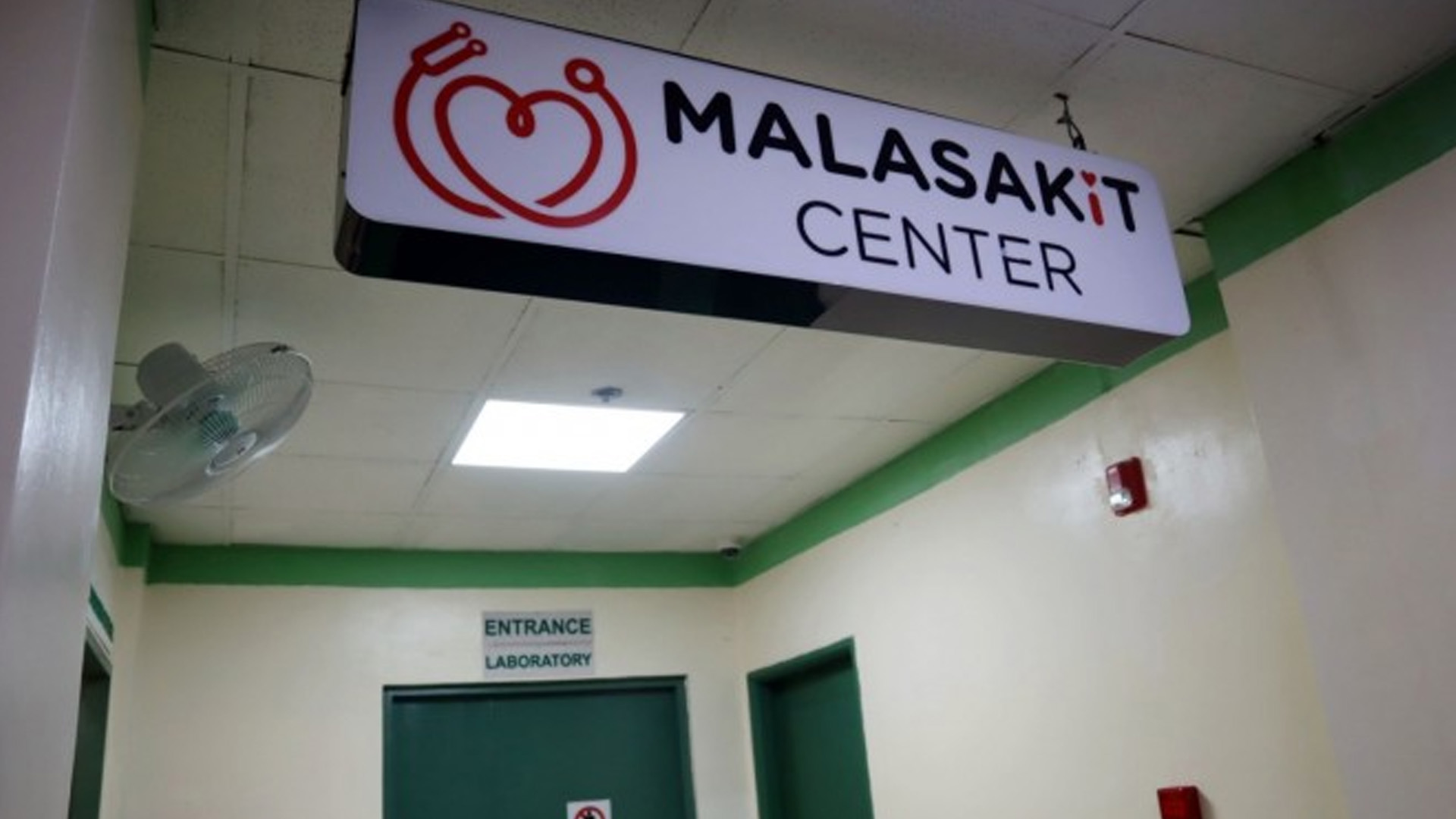






Health Secretary Teodoro Herbosa on Wednesday said Malasakit Centers remain relevant even with the implementation of zero-balance billing in Department of Health (DOH) hospitals, noting that many patients in private accommodations continue to seek financial assistance.
Herbosa explained during a public hearing of the Senate Committee on Health and Demography, chaired by Senator Christopher Lawrence “Bong” Go, that the policy covers only basic ward accommodations, which comprise about 90 percent of DOH hospital beds.
He said patients admitted to single or private rooms still have to pay, prompting some of them to line up at Malasakit Centers.
“Kahit may zero balance na sa basic wards, kailangan pa rin nating tulungan ang mga nasa private. Doon papasok ang Malasakit Centers (Even with zero balance in basic wards, we still need to help those in private. That’s where Malasakit Centers come in),” Herbosa said.
Go, who authored the Malasakit Centers Act, asked the DOH to ensure the sustainability of the zero-balance policy, stressing that Filipinos should no longer worry about hospital bills in public facilities.
“Suportado ko ang zero-balance billing policy ni Pangulong Marcos… hindi na dapat pumila pa ang ating mga kababayan sa Malasakit Centers para magmakaawang humingi ng tulong dahil sagot na ang kanilang bayarin (I support the zero-balance billing policy of President Marcos… our people should no longer have to line up at Malasakit Centers to beg for help since their bills are already covered),” he said.
Herbosa said the DOH piloted zero-balance billing in May, ahead of President Ferdinand R. Marcos Jr.’s formal directive, and that all hospital directors affirmed its feasibility.
He also appealed to lawmakers to sustain funding for hospital operations to keep the program running.
The Malasakit Center program, institutionalized under Republic Act 11463, was launched in 2018 to serve as a one-stop shop where indigent patients can seek medical and financial assistance from the DOH, PhilHealth, the Department of Social Welfare and Development, and the Philippine Charity Sweepstakes Office.
To date, over 160 centers have been established nationwide. (PNA)


