



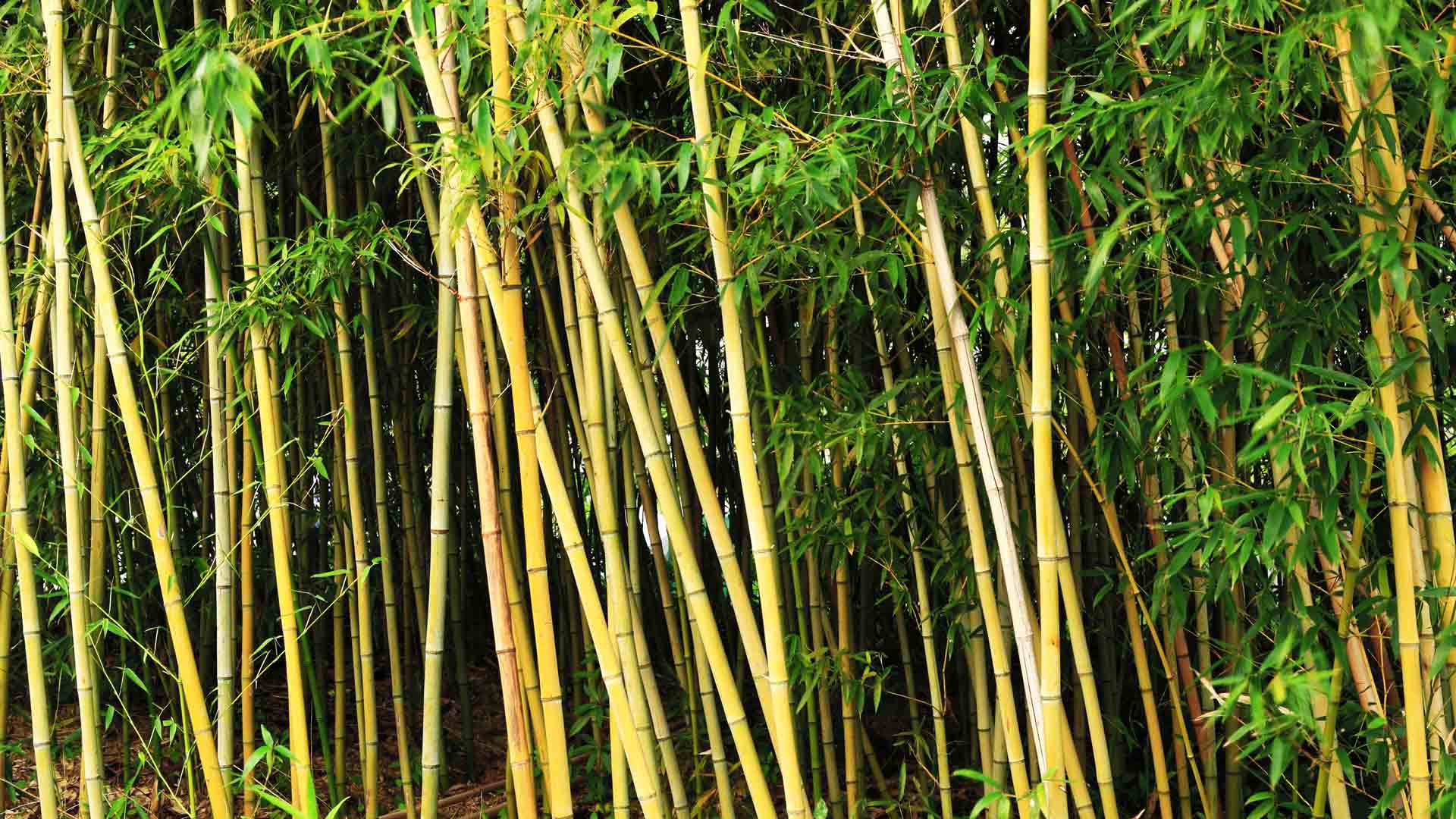






Each of the 40 towns in Leyte has been encouraged to devote an area for at least 1,000 giant bamboo seedlings to achieve the goal of positioning the province as one of the top bamboo producers in the country.
Palo Mayor Remedios Petilla, president of the League of the Municipalities of the Philippines – Leyte Chapter, urged all the mayors in the province to venture into massive bamboo planting.
Petilla said in an interview Tuesday that they are pushing for the province-wide bamboo planting as a disaster mitigation measure and to help boost the local economy by producing bamboo-engineered products.
The planting of 1,000 bamboo cuttings is just the minimum number to ensure that the province would be able to meet the requirement for bamboo-based products soon.
The province picked the giant bamboo because it is stronger than other species. It has huge, upright, and thick, dull green to dark blue-green canes.
“Engineered bamboo products (have) a big potential in the market, and even if we only produce the raw products, its potential is already big because there is a market for it,” Petilla added.
Aside from providing bamboo raw materials to manufacturers, the plantation can also be a tourist attraction and a source of bamboo-based food dishes.
On November 16, Palo town hosted the first Leyte bamboo summit to orient local officials on the uses of bamboo and available financing support for bamboo planting.
The Department of Science and Technology – Forest Products Research and Development Institute (DOST-FPRDI) noted that bamboo is one of the most economically-important non-timber forest products in the Philippines.
Its fast growth and excellent properties make it an ideal substitute for wood for furniture, handicrafts, construction material, and chemical products.
The global market for bamboo, which stood at about USD7 billion in 2006, has been projected to increase to USD17 billion from 2015 to 2020, according to the DOST-FPRDI. (PNA)


