










Many Filipinos find it hard to take out loans in banks and other financial institutions. There are too many requirements, including documents that, ironically, those in most need do not have.
And so, with limited choices in the face of financial emergencies, some would turn to loan sharks who impose hefty interest.
It is because of such gap in financial services that Mynt, the company behind GCash, designed a way to make loans more accessible for Filipinos while at the same time giving them a dignified way to borrow.
GCredit, the country’s first mobile, QR-based credit line, aims to make loans available to everyone. It allows users to pay their bills and buy from partner merchants using credit.
GCredit has over 250,000 credit lines and impressive default rates, reaching underserved sectors.
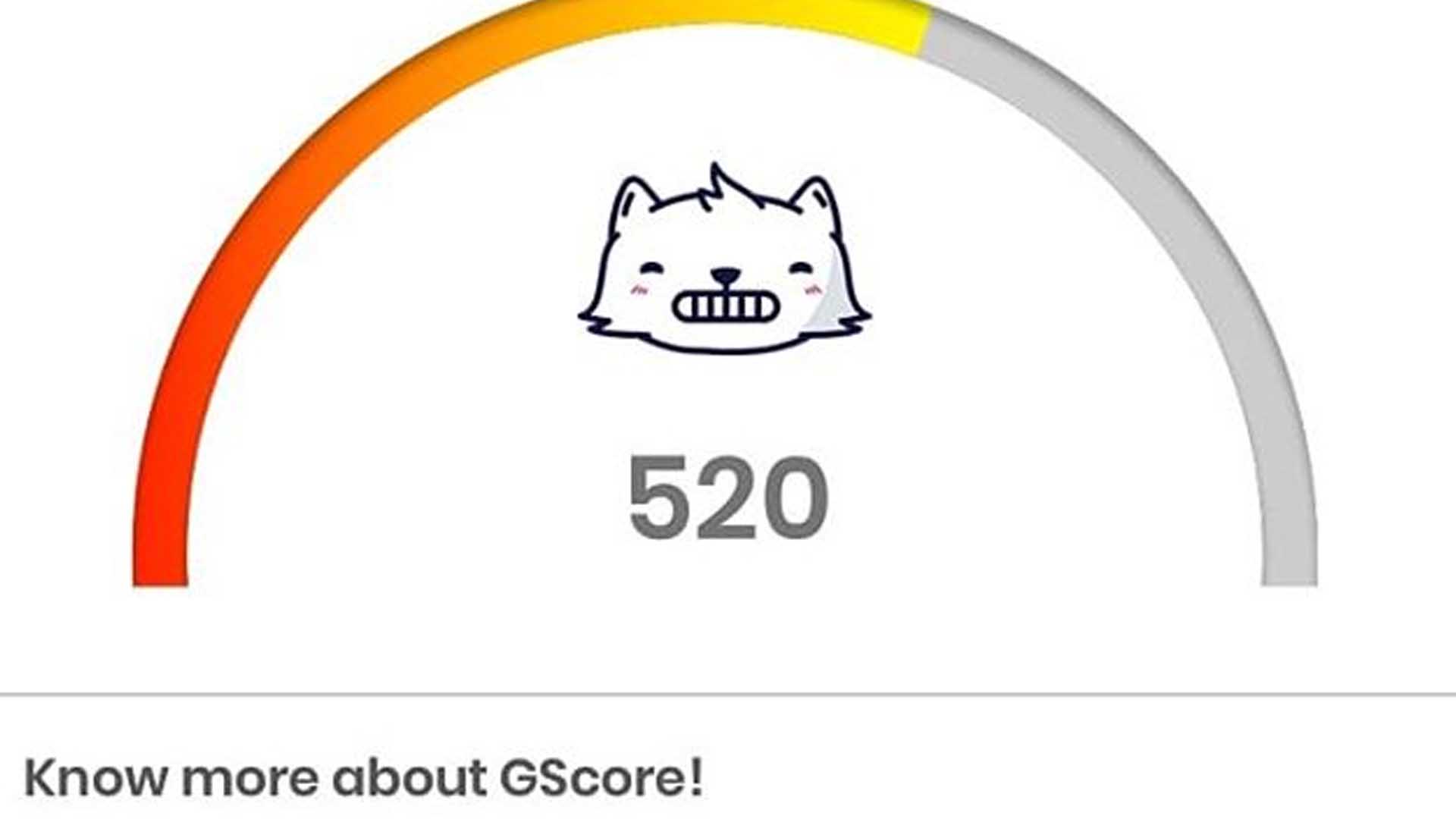
At the heart of GCredit is the GScore, the first trust-based score in the country. So how does it work? Read on.
The GScore is a 3-digit number that represents a user’s relationship with GCash. The score is based on how users transact with GCash, whether by sending money, buying load or making payments, among others.
One’s GScore is earned through frequency of GCash use: the higher it is, the higher the credit limit.
Maintaining a good GScore is vital in keeping access to GCredit. The credit limit starts at P1,000, but keeping a good GScore gives users a chance to avail themselves of bigger loans.
Another reason to maintain a good GScore is to lower the interest rate, which begins at 5% every 30 days.
GCredit allows users to pay some 400 in-app billers or to transact in over 50,000 GCash QR- accepting merchants across the country.
It’s also easy to pay for GCredit dues. Just pay through “Manage Credit” on the GCash app with your GCash balance or settle in partner outlets such as Bayad Center, 7-Eleven and LBC.
GScore is a unique way of tapping into a credit line because it is not based on documents, but on a carefully studied behavior when using your mobile wallet. You do not need to submit paperwork to prove your ability to pay loans, but through your mobile wallet transactions, GCash can determine your credit worthiness. And it deems every Filipino worthy of credit.


