









Malacañang on Monday vowed to expand the government’s anti-poverty and hunger initiatives in response to a recent survey showing a rise in the number of Filipino families who consider themselves poor.
According to the latest StratBase-Social Weather Station (SWS) survey, 55 percent of Filipino families, or 15.5 million families, rated themselves as poor in April, a slight increase from 14.4 million families in March.
In a press briefing on Monday, Palace Press Officer Claire Castro acknowledged the survey’s findings and emphasized that the administration of President Ferdinand Marcos Jr. takes such reports seriously.
She quoted National Economic and Development Authority (NEDA) Secretary Arsenio Balisacan that poverty is a dynamic issue, particularly in self-rated poverty surveys, which are often sensitive to inflation and fluctuations in the prices of essential goods.
“We understand that poverty incidents can be dynamic, in particular self-rated poverty surveys are sensitive to inflation, particularly the price level of commodities commonly consumed, say food, transportation, etc., prevailing at the time of the survey versus what it was in the recent past,” Castro said, referencing Balisacan’s statement.
In light of these rising poverty rates, the Palace official assured the public that the government is committed to expanding its social welfare programs to address hunger and poverty.
“Papalawigin pa po ang mga programa para matugunan po ang mga isyu patungkol sa kahirapan at kagutuman (We will expand the programs to address issues concerning poverty and hunger),” she said.
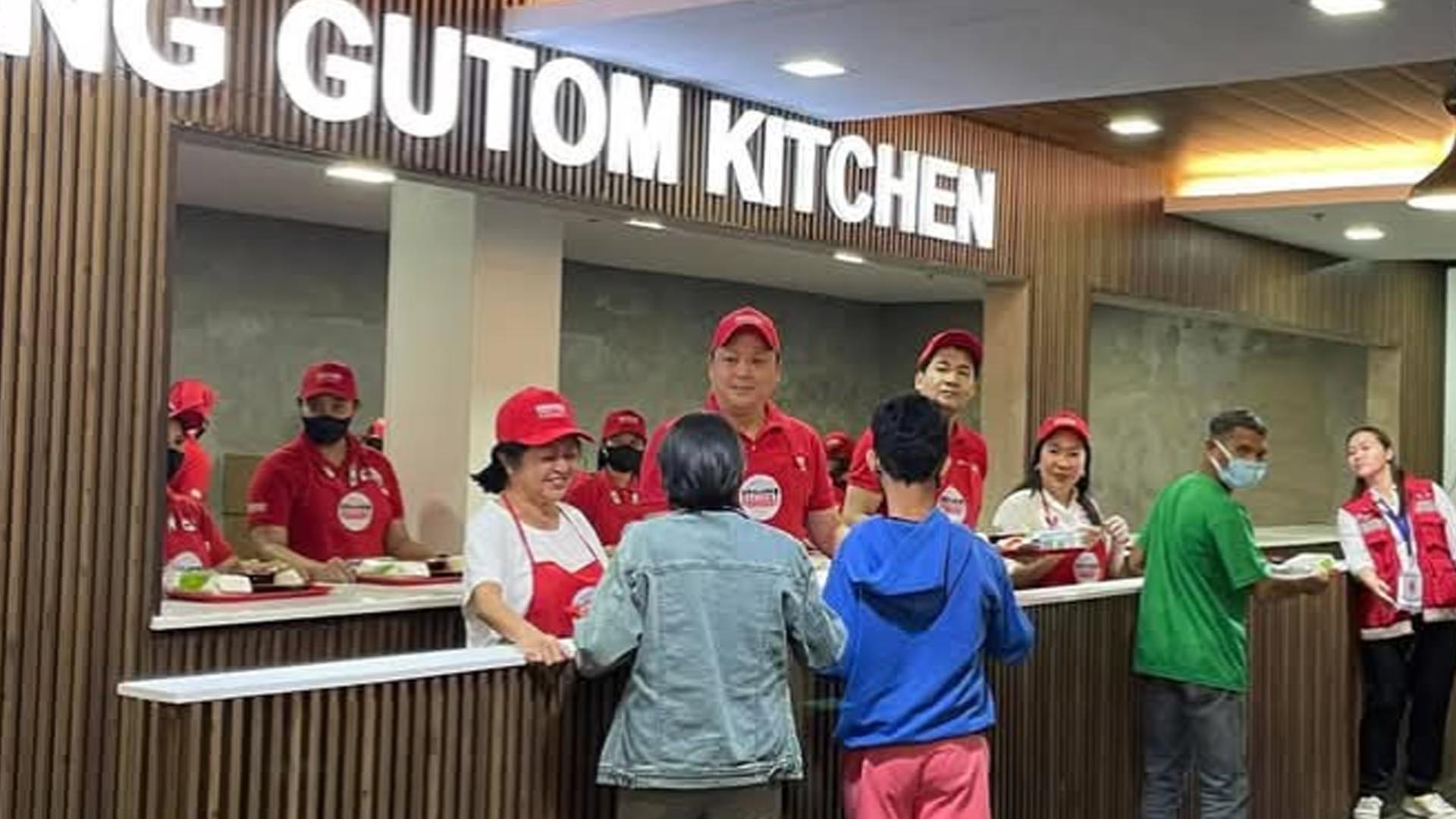
Among the programs that will be expanded are the PHP20 per kilogram rice initiative, the Department of Social Welfare and Development’s “No Hunger” program, the Pantawid Pamilyang Pilipino Program, and the school-based feeding program.
Castro reiterated that these efforts are part of the administration’s broader goal to alleviate poverty and improve the welfare of Filipinos, ensuring that the government’s programs reach those in need. (PNA)


