



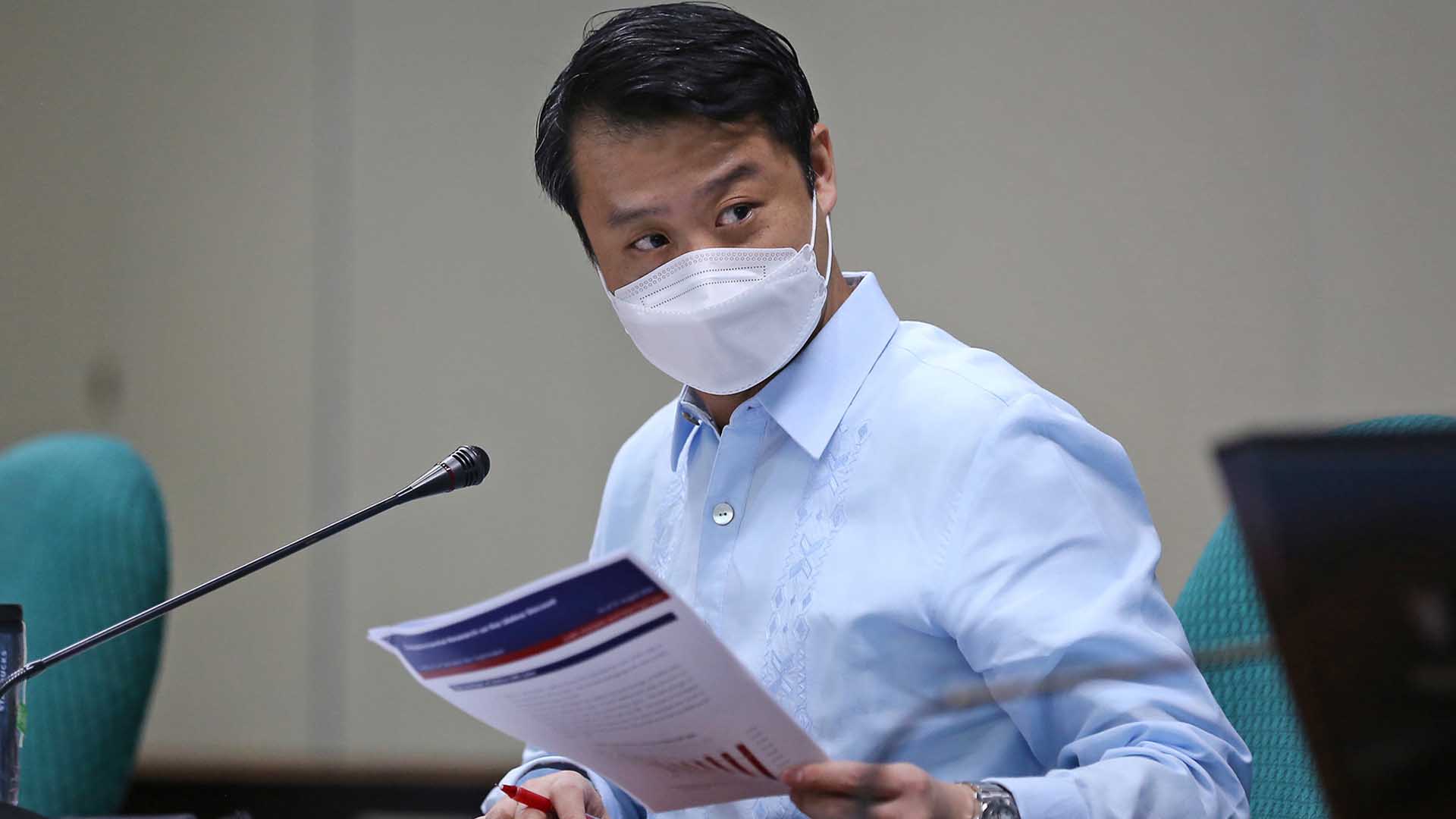







Amid the celebration of the Global Media and Information Literacy Week from October 24-31, Senator Win Gatchalian urged public and private schools to boost their initiatives against misinformation, especially those that concern COVID-19.
Since the country’s more than 25 million learners are more exposed to various media because of distance learning, Gatchalian said that they are prone to encountering inaccurate information that could lead to confusion and panic. He pointed out, however, that since media and information literacy is part of the K to 12 curriculum, schools are crucial in beating what the World Health Organization (WHO) called the ‘infodemic’ crisis or the rise of misinformation and disinformation around the COVID-19 pandemic.
According to the United Nations Educational, Scientific, and Cultural Organization (UNESCO), some of the most common themes of the infodemic include the origins and spread of the disease, false and misleading statistics, and dangerous information about diagnosis and treatment.
Gatchalian proposed that the Department of Education (DepEd) also tap the expertise of seasoned journalists who were already involved in training the so-called teacher-broadcasters. According to the lawmaker, seeking the input of these experts can be a boost to programs aimed at enhancing media and information literacy. At the local levels, Gatchalian said partners from local radio and television stations can also be tapped to help spread awareness.
Media literacy is also seen playing a key role in providing age-appropriate health education, Gatchalian pointed out.
According to the “Key Messages and Actions for COVID-19 Prevention and Control in Schools” by the United Nations Children’s Fund (UNICEF), World Health Organization (WHO), and the International Federation of Red Cross and Red Crescent Societies (IFRC), media literacy can empower students to be critical thinkers and makers, effective communicators and active citizens. Part of the proposed student activities related to this is the creation of public service announcements for social media, radio, and television.
“Ang pagkalat ng fake news o anumang maling impormasyon sa kalagitnaan ng isang pandemya ay kasing lala o mas malala pa sa isang malalang sakit na kailangan ding sugpuin. Mahalaga ang papel ng edukasyon sa pagbabahagi ng tamang impormasyon upang mas magabayan natin ang ating mga kababayan sa gitna ng kinakaharap nating krisis,” said the Chairman of the Senate Committee on Basic Education, Arts and Culture.
“Sa pagsugpo natin sa COVID-19, higit na kailangan nating maturuan ang ating mga mag-aaral na maging mapanuri at maging aktibo sa pag-angat ng kanilang kaalaman,” he concluded.


