



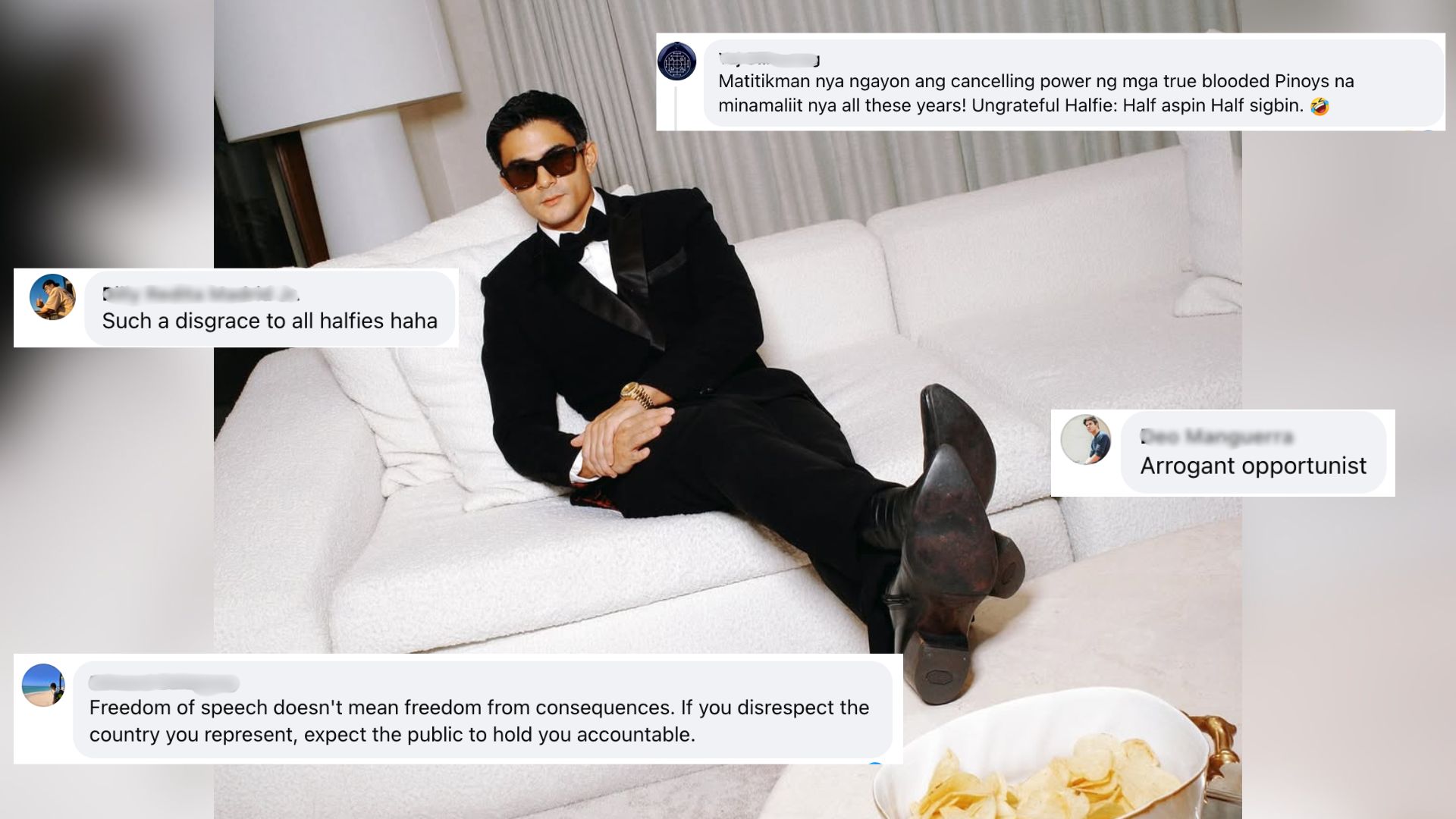







There is a lesson that has been learned, sometimes slowly, sometimes all at once, by every public figure who has ever dared to belittle the Philippines while standing on its shoulders: this nation’s loyalty runs deep, but its patience runs out fast. And when it does, no crown, no placement, no accumulated goodwill will save you.
Brandon Espiritu and Jether Palomo found that out this week.
When the Crowd That Cheered You Turns
Catriona Gray once described Philippine pageantry plainly: “It’s our Superbowl. The level of support that Filipinos give the arena of pageantry is phenomenal.” That same crowd that cheers louder than any other fanbase in the world is also the crowd that will turn on you without hesitation if you spit on what they love.
The backlash stemmed from a reel where Espiritu and fellow Filipino-American titleholder Jether Palomo, instead of singing the “Lupang Hinirang” when dared to perform their national anthem, sang the American national anthem. When a netizen called them out, Espiritu replied, “because we aren’t from the Philippines. Why would we lie.” Pushed further, he doubled down: “Tell that to all the front runners for the Philippines. This country wouldn’t have a chance on the national stage without us halfies.”
The internet did not blink.
No Placement Protects You Here
Filipinos do not keep score when their pride is on the line. Espiritu and Palomo were not anonymous provocateurs. They were men the Philippine pageant community had chosen, celebrated, and sent to compete on the world stage. Espiritu had worn the Philippine sash at Mister Supranational 2024 in Poland, bringing home the country’s best-ever placement. Palomo had carried the flag at Mister Global 2025.
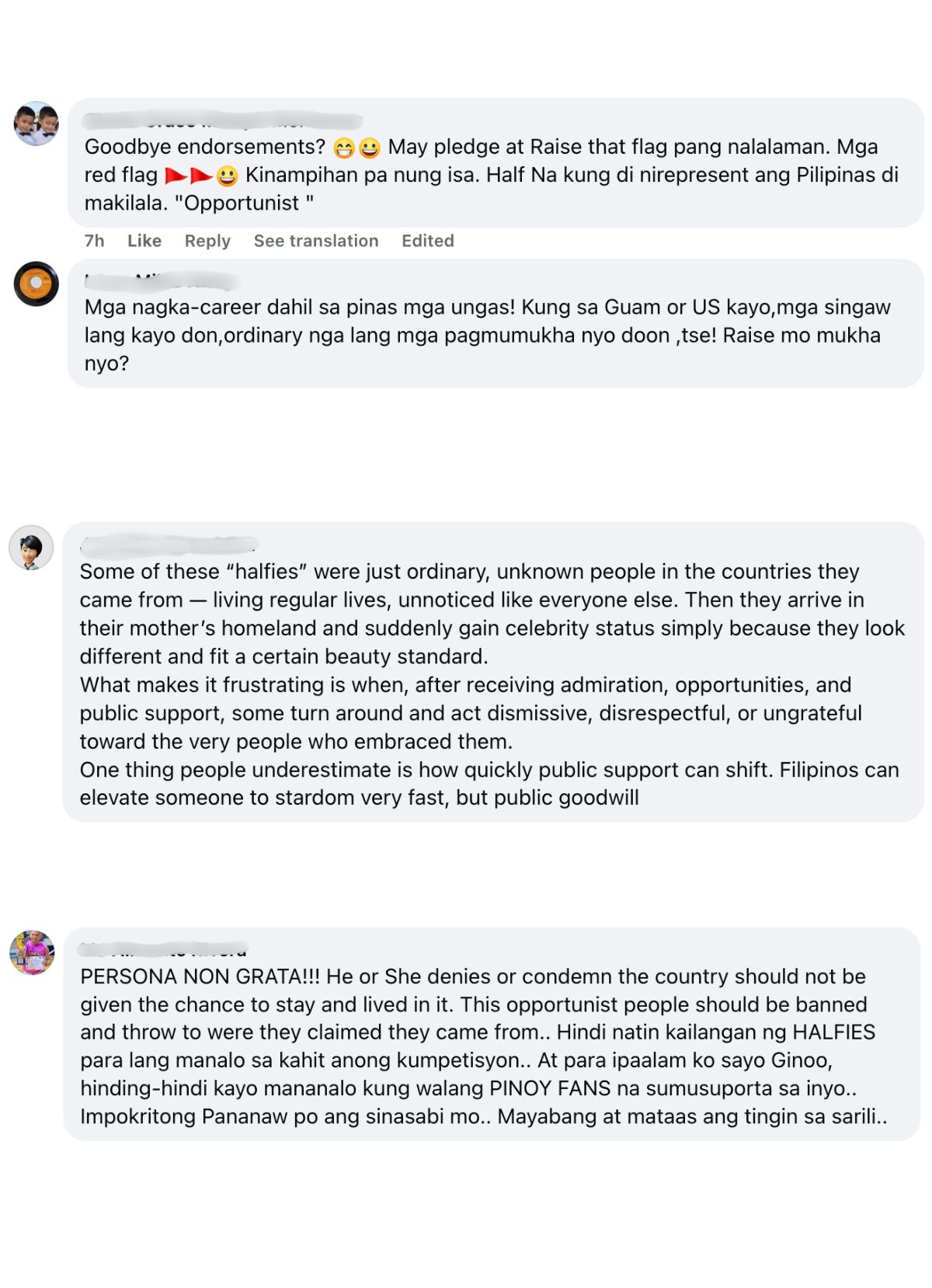
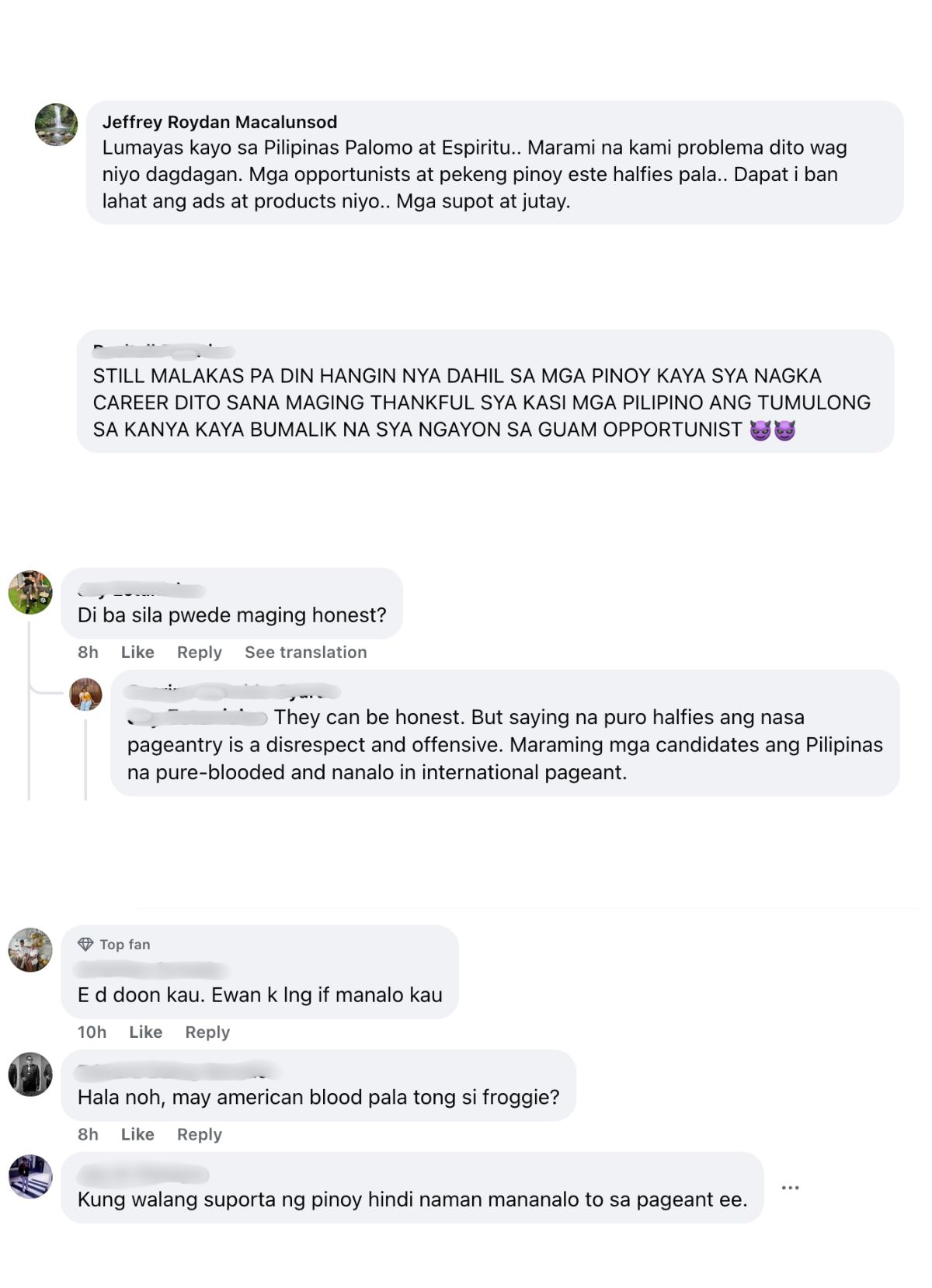
None of it mattered. Netizens called for the cancellation of both men without pausing to weigh what they had contributed. The trophies did not soften the blow. The placements did not buy them grace. If anything, the fact that these men had stood under the Philippine flag made the betrayal feel sharper.
This is what outsiders often misread about Filipino pride: it is not transactional. The sash is not a shield.
What Filipinos Were Really Defending
The ferocity of the reaction was never about bloodlines. It was about something more foundational. The idea that carrying the Philippine flag is a responsibility, not a credential. Across all major competitions, the Philippines has produced Miss Universe winners four times, Miss Earth four times, Miss International six times, and Miss World once, a record built overwhelmingly by women who grew up in the country, competed for the country, and went home when their reign was over.
Filipinos did not need anyone to remind them of this. They already knew. And that is precisely what made the remarks so intolerable: the suggestion that the Philippines depends on outsiders to be valid on the world stage.
Tomorrow, June 12, the Philippines marks its 127th Independence Day. The flag that Espiritu and Palomo once wore on an international stage is the same flag millions of Filipinos will raise tomorrow morning, not as a prop, not as a career move, but as a declaration of who they are. That flag has always meant something here. And as this week made clear, Filipinos will not let anyone, titleholder or otherwise, make it mean less.


