



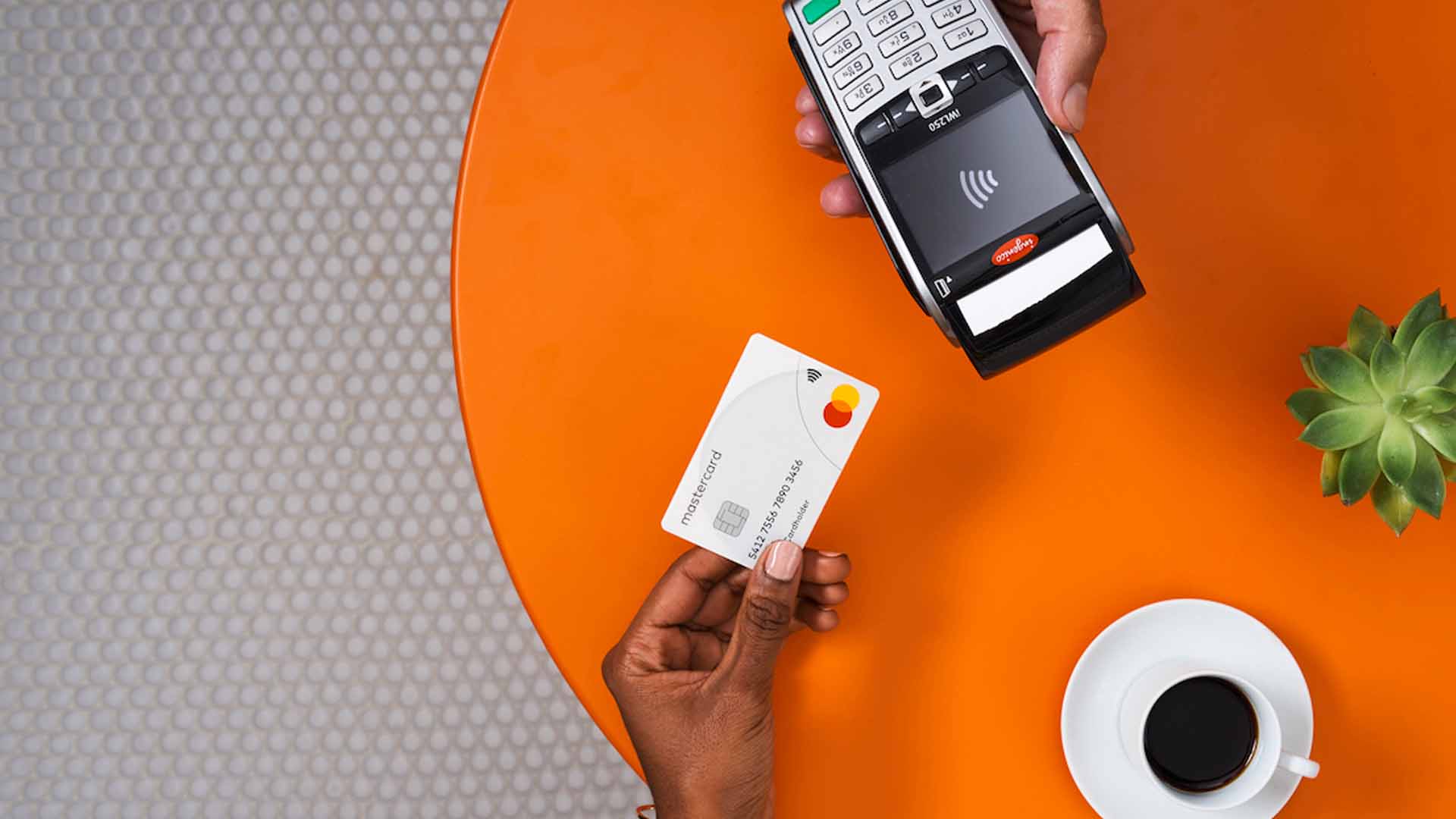







The latest Mastercard Philippines Contactless Study has found that even though cash remains the main payment mode in the country, accounting for one-third of consumers’ monthly spending, contactless payment methods are widely recognized by consumers.
The study revealed that more than 70 percent of those with contactless cards used their contactless card in-store over the past year with 40 percent making a contactless payment purchase at least once a week. Additionally, 40 percent of those who did not use contactless card payments in the past year cited security concerns as their reason for not using the payment method more often. Hacking and wireless skimming were the top security concerns for 86 percent and 82 percent of consumers, respectively.
A key highlight in the study is the important roles that different stakeholders play in helping consumers to adopt this new payment technology. 21 percent of cardholders first learned to use their contactless cards through self-discovery, while 19 percent obtained instructions from bank employees, and 17 percent were informed by cashiers. This trend indicates that banks and merchants play an important role in driving awareness and confidence in contactless payments.
“Mastercard is ramping up efforts to help issuers, acquirers and merchants further drive contactless transactions by providing these industry players with data, insights, best practices and execution support starting with a deeper understanding of consumers’ motivations and concerns when choosing payment methods,” said Rowell Del Fierro, Country Manager, Philippines, Mastercard.
The study notes that 86 percent of consumers in the country are aware of contactless cards, with faster transactions and hygiene being the key factors driving contactless cards adoption. A large number of consumers at 46 percent say that they used contactless cards as it is faster than other payment methods. On the other hand, 38 percent of consumers use contactless cards for hygiene concerns.
“To accelerate the uptake of contactless card payments, Mastercard is also closely working with industry partners, to implement initiatives, programs, and technology solutions that successfully enable businesses of all sizes to meet evolving needs of today’s customers,” added Del Fierro.
Mastercard is committed to drive contactless solutions and digital payment usage among consumers and businesses alike. This is in support of the thrust of the Bangko Sentral ng Pilipinas (BSP) to promote the digitalization of payments in the country and to convert 50 percent of the total volume of retail payments into digital form by 2023.


